
 Nigeria's Oil Output Surpasses OPEC Quota, Hits Six-Year High
KillBait - News highlights delivered clearly and responsibly—no clickbait, no sensationalism
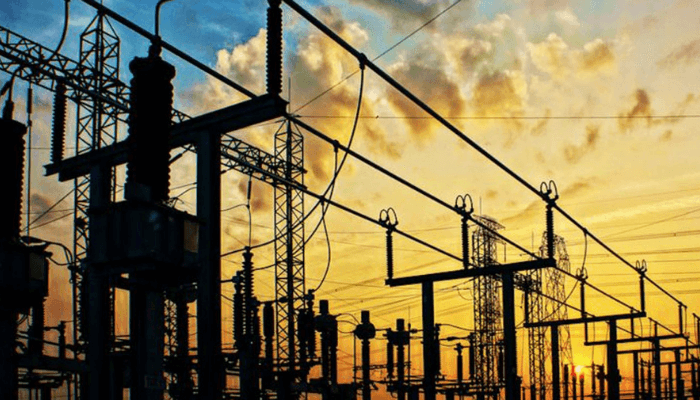
Photo: Businessday NG
2026-07-13 09:34 Business 10


Nigerian universities expand captive power generation as unreliable national grid pushes institutions towards self-generation
Nigerian universities are increasingly investing in their own electricity generation as the country's persistent power supply challenges continue to affect teaching, research and daily campus operations.
According to data released by the Nigerian Electricity Regulatory Commission (NERC), universities and university-related institutions accounted for 32.8MW of the 40.82MW of captive generation capacity approved during the first quarter of 2026.
Six out of the seven captive generation permits issued during the period went to tertiary institutions, showing that universities are now among the biggest users of self-generated electricity.The University of Port Harcourt and the University of Port Harcourt Teaching Hospital received the largest approvals at 10.
7MW each, while Modibbo Adama University, Federal University of Uyo, Federal University Dutsin-Ma and Federal University of Lafia also secured approvals for new power plants.Nigerian Breweries was the only private company granted a captive generation permit during the quarter.
The development follows a wider trend in which manufacturers, steel companies and even government agencies have chosen to reduce dependence on the national grid because of unreliable electricity and rising operating costs.
During the same period, NERC reported weaker electricity sector performance, including lower available generation capacity, reduced total electricity generation and two national grid disturbances in January 2026.
Industry experts believe the increasing shift to captive power reflects a growing preference for energy security over reliance on public electricity supply.
However, some stakeholders warn that if more major electricity consumers disconnect from the grid, electricity distribution companies could lose significant revenue needed to improve infrastructure and service delivery, creating additional challenges for Nigeria's power sector.
Full reading at Businessday NG
2193
Original title: Nigerian universities join corporate exodus from national grid
The AI system has determined that this news is not clickbait/sensationalist: : The original headline accurately reflects the main focus of the report and does not use exaggerated or sensational language to attract attention. It simply states that Nigerian universities are joining other organisations in moving away from the national grid. This has coincided with the opinion of the majority of users.
You may also be interested in...
Nigeria's Oil Output Surpasses OPEC Quota, Hits Six-Year High
 Tanzania’s top businessman backs Dangote’s Kenya refinery with $100m investment
 NDPHC rehabilitates 225MW Gbarain power plant in Bayelsa to boost electricity supply