
 Ghana Fisheries Leaders Call for Stronger Law Enforcement to Protect Marine Resources and Coastal Livelihoods
KillBait - News highlights delivered clearly and responsibly—no clickbait, no sensationalism
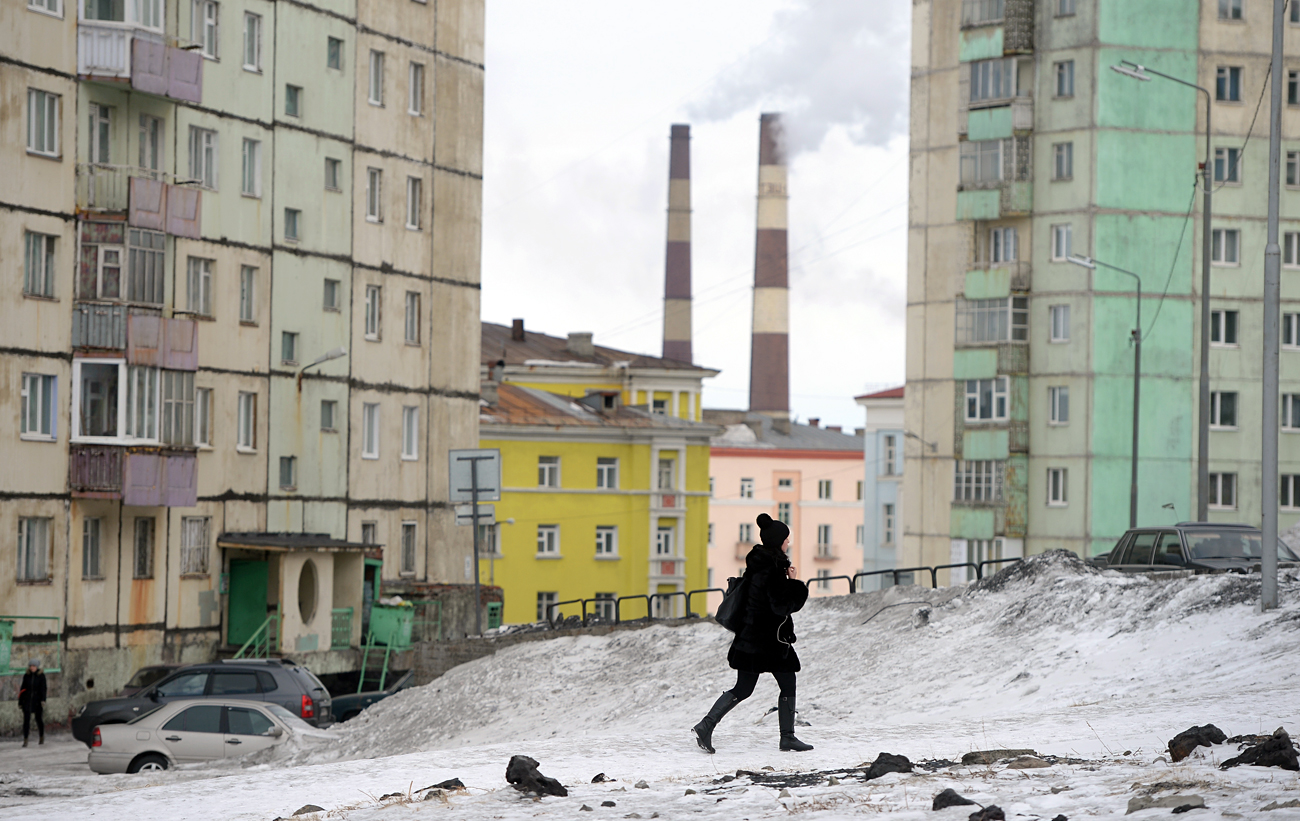
Photo: Fronteras
2026-06-14 10:17 Environment 13 


Norilsk: From Soviet Gulag to One of the World's Most Polluted Arctic Industrial Cities
The article explores the history, environment, and unique social reality of Norilsk, a remote industrial city in northern Siberia located more than 300 kilometers above the Arctic Circle.Norilsk was built during the Stalin era to exploit vast deposits of nickel, palladium, and copper.
Construction and early mining operations relied heavily on forced labor from the Norillag gulag system, through which hundreds of thousands of prisoners passed.Tens of thousands reportedly died due to extreme cold, hunger, and harsh working conditions.After World War II and especially following Stalin's death in 1953, Norilsk expanded into a major Soviet industrial center.The city remained a closed strategic settlement and attracted workers with higher salaries and benefits.Today, its economy is dominated by Nornickel, one of the world's largest producers of nickel, palladium, copper, and platinum.The article highlights the severe environmental consequences of decades of industrial activity.Norilsk became notorious for massive sulfur dioxide emissions, widespread acid rain, and extensive destruction of surrounding forests.Residents have historically faced reduced life expectancy and elevated rates of certain cancers compared with national averages.
The city's extreme isolation adds to its unusual character: it has no road or rail connection to the rest of Russia, making air travel and seasonal shipping the primary means of access.
Despite pollution, harsh winters, long periods of darkness, and occasional industrial accidents such as the major 2020 diesel spill, many residents remain in Norilsk.
The article argues that relatively high wages, housing benefits, early retirement options, and a strong sense of local identity help explain why people continue to live in one of the Arctic's most challenging urban environments.
2249
Original title: Vivir al norte del norte: Norilsk, el gulag devenido en la ciudad más contaminada del mundo
The AI system has determined that this news is not clickbait/sensationalist: : The title is descriptive and accurately reflects the article's content. While it uses strong language by referencing a gulag and severe pollution, these themes are central to the story and are supported by the information presented rather than being exaggerated solely to attract clicks. This has coincided with the opinion of the majority of users.
Comments :
You may also be interested in...
Ghana Fisheries Leaders Call for Stronger Law Enforcement to Protect Marine Resources and Coastal Livelihoods
 Rat Eradication on Palau Island Leads to Rapid Recovery of Seabirds, Fish, and Coral Reefs
 Solar Generates More Electricity Than Coal in the U.S. for the First Time on Record
#1 cyclosvegito
Wild how a city built on forced labor became a cornerstone of the global metals supply chain. The environmental toll is staggering, but it also shows how economic incentives and community ties can keep people rooted in places outsiders would struggle to imagine.