
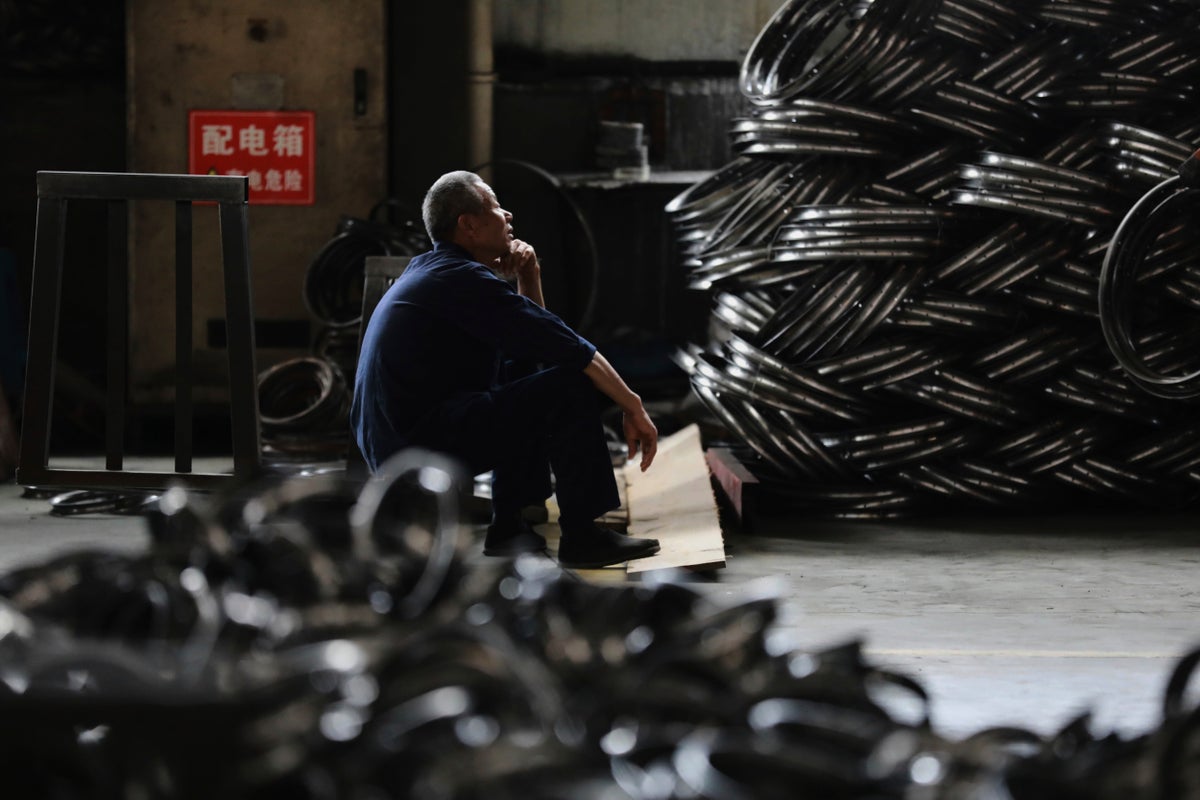
 China’s manufacturing growth stalls amid weak domestic demand and global uncertainty
KillBait - News highlights delivered clearly and responsibly—no clickbait, no sensationalism
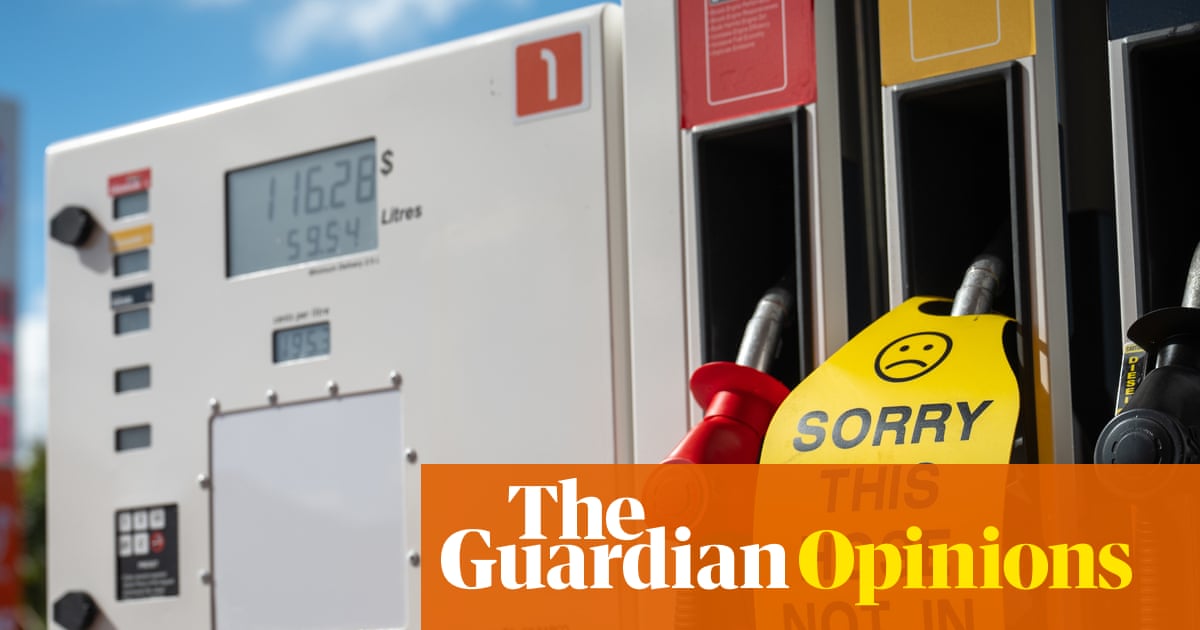
Photo: theguardian.com
2026-05-24 21:32 Economy 12 


Oil markets approach heightened risk as US–Iran tensions and supply constraints intensify
Global oil markets are edging closer to a critical threshold amid escalating geopolitical tensions and tightening supply conditions, with analysts warning that a US–Iran agreement may be urgently needed to stabilise prices and prevent wider economic disruption.
Following heightened conflict involving the US, Israel and Iran, the Strait of Hormuz has been effectively disrupted, contributing to volatility in crude oil prices, which have fluctuated around the $100 per barrel mark.While this is still below historical peaks, experts caution that the apparent stability masks underlying fragility in the global energy system.
Several temporary factors have so far mitigated a full-blown supply crisis, including the coordinated release of strategic oil reserves, rerouting of production via alternative pipelines, and a reduction in Chinese imports that may reflect stockpile adjustments.
However, the International Energy Agency has warned that global oil inventories are being depleted at record speed, raising the risk of severe shortages in the coming weeks.
Analysts from Capital Economics and JP Morgan have suggested that inventories in OECD countries could reach critically low or “operational stress” levels as early as next month, potentially triggering sharp price increases.Some forecasts place Brent crude at $130–$140 per barrel if conditions deteriorate further.
Economists warn that such price levels could force “demand destruction”, where consumption falls sharply as households, airlines, and industry reduce usage in response to higher costs.
The ripple effects are already extending beyond crude oil into liquefied natural gas, fertilisers, shipping and industrial inputs, suggesting a broader deterioration in global supply chain stability.
While the US remains relatively insulated as a net energy exporter, consumers are still experiencing significant cost pressures, with billions added to household fuel expenses.
The article concludes that even if diplomatic progress is achieved, only partial normalisation of energy markets is likely, with structural fragility persisting.Prolonged uncertainty, however, risks pushing the global economy towards higher inflation, reduced growth and potentially recession.
Full reading at theguardian.com
2226
Original title: With oil markets nearing the danger zone, a US-Iran deal can’t come soon enough
The AI system has determined that this news is not clickbait/sensationalist: : The original headline is descriptive and reflects the article’s economic and geopolitical analysis rather than using sensational or misleading language; it accurately signals the topic of oil market risk and US–Iran negotiations. This has coincided with the opinion of the majority of users.
You may also be interested in...
China’s manufacturing growth stalls amid weak domestic demand and global uncertainty
 Former Marks & Spencer chief appointed to support government strategy on youth unemployment
 Leading UK chefs urge VAT reduction for hospitality sector amid rising costs