
 Burnaby Hockey Player Overcomes Paralysis to Graduate High School
KillBait - News highlights delivered clearly and responsibly—no clickbait, no sensationalism
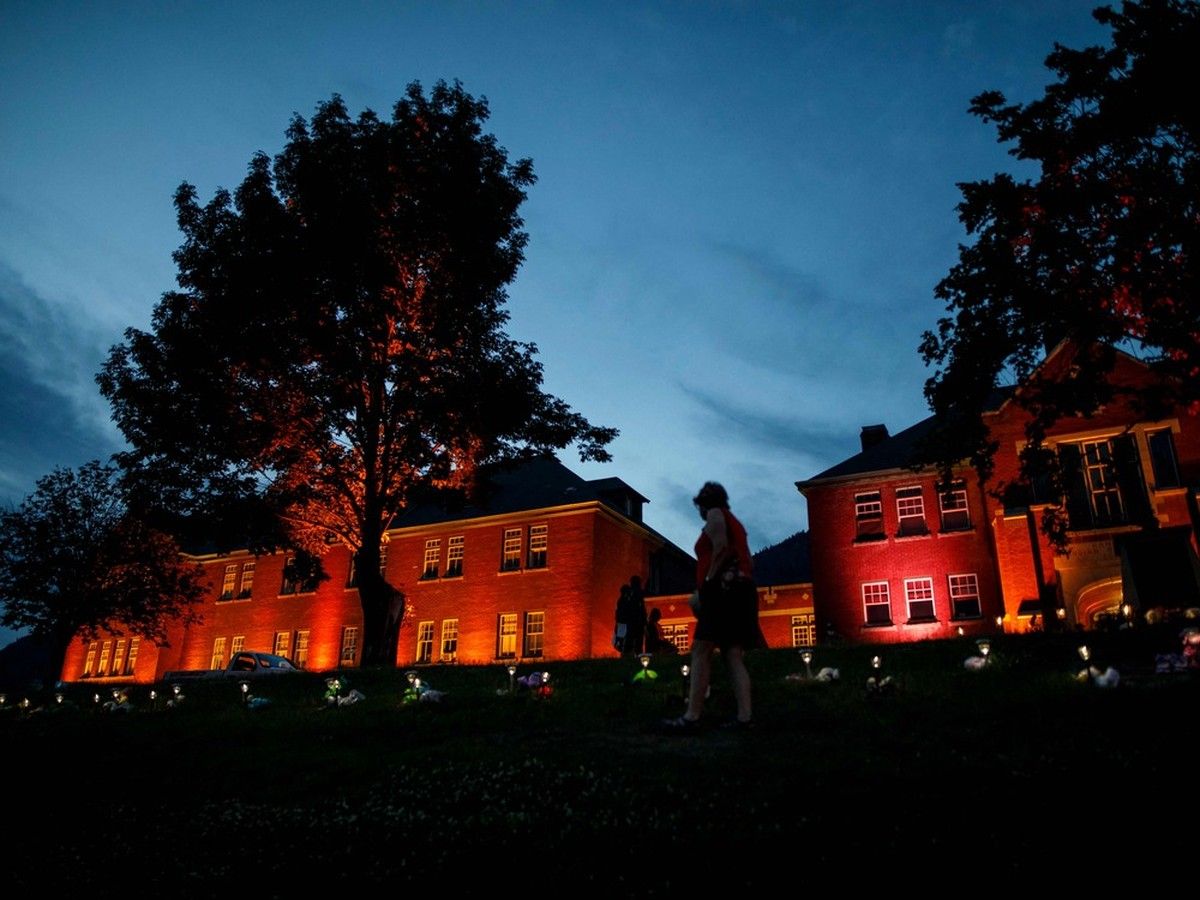
Photo: nationalpost
2026-05-29 13:36 Society 10 


Opinion on Kamloops burial claims and the state of Canada’s reconciliation discourse
This opinion article by Terry Glavin examines the public and political fallout surrounding the 2021 reports of alleged unmarked graves at former residential school sites in Canada, with a particular focus on Kamloops, British Columbia.
The author argues that initial international and domestic media coverage, along with political reactions, led to widespread public outrage and symbolic actions, including the lowering of flags, cancelled Canada Day celebrations, protests, and the removal or vandalism of historical monuments and churches.
The piece contends that many of the most widely circulated claims about “mass graves” or large numbers of confirmed child burials at residential school sites were later mischaracterised or unsubstantiated, and that some findings were instead associated with existing cemeteries or radar-based interpretations rather than confirmed exhumations.
It references statements from Indigenous community members who say certain burial sites were already known locally or were misrepresented in media narratives.
Glavin argues that the events of 2021 contributed to a broader shift in Canadian public discourse around residential schools, reconciliation, and Indigenous rights.
He suggests that this shift has, in his view, encouraged moral panic, increased social division, and the emergence of what he describes as a restrictive climate around debate, including discussions about so-called “residential schools denialism.
” The article also connects these developments to broader political and legal debates involving Indigenous rights, UNDRIP implementation, and land claims in British Columbia.
The author further critiques government responses, media framing, and reconciliation policy, arguing that they have contributed to confusion and polarization rather than clarity or resolution.
Overall, the article presents a critical perspective on how residential school narratives have been communicated and integrated into Canadian political and cultural life since 2021.
2186
Original title: Terry Glavin: The Kamloops ‘graves’ and the poisoned chalice of ‘reconciliation’
The AI system has determined that this news is clickbait/sensationalist: : The title uses highly charged and emotionally loaded language such as “poisoned chalice” and quotation-mark framing around “graves” and “reconciliation,” which signals a provocative and interpretive stance rather than a neutral description, making it somewhat sensational in tone. This has coincided with the opinion of the majority of users.
You may also be interested in...
Burnaby Hockey Player Overcomes Paralysis to Graduate High School
 Column criticises Canadian media coverage of torn missing-person posters and alleged omission of antisemitism context
 Calgary begins redevelopment of Olympic Plaza as part of downtown revitalization plan