
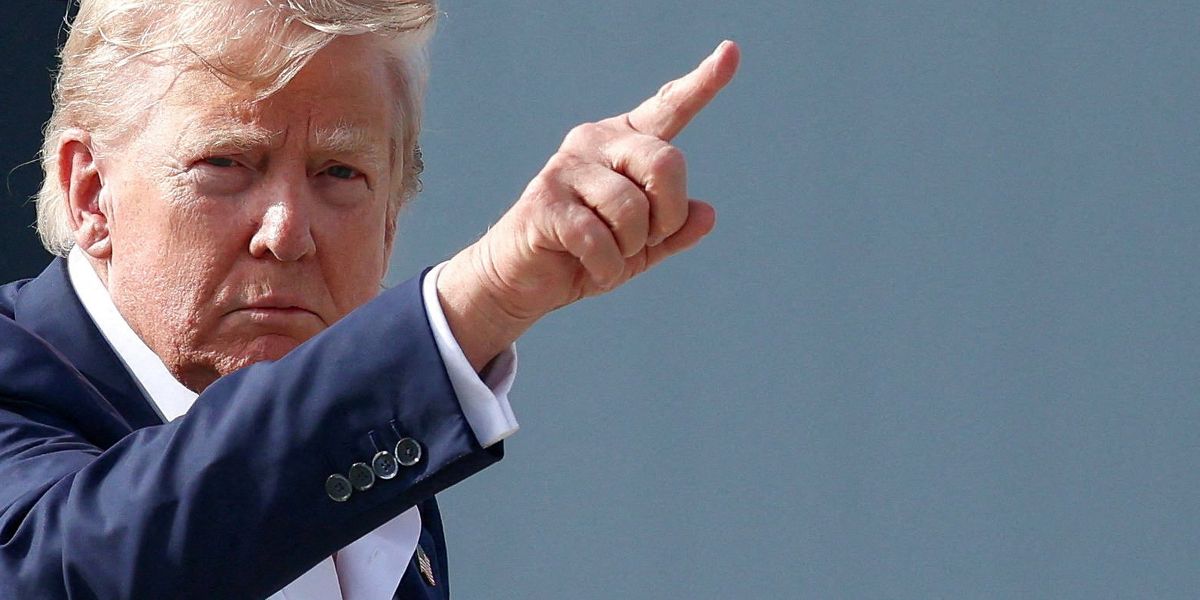
 Opinion: A quiet summer in U.S. politics sparks speculation about Trump’s next moves ahead of 2026
KillBait - News highlights delivered clearly and responsibly—no clickbait, no sensationalism

Photo: nuclear-news
2026-07-03 14:18 Opinion 10 


Opinion on Proposed U.S. Defense Legislation and U.S.–Israel Military Cooperation
The article presents a strongly critical opinion regarding proposed provisions in the U.S.National Defense Authorization Act (NDAA), specifically a section referenced as Section 219, which the author claims could deepen institutional military and intelligence cooperation between the United States and Israel.
It argues that such measures would effectively integrate aspects of defense planning, intelligence sharing, weapons development, artificial intelligence systems, and procurement strategies between the two countries.The author frames this as a significant shift in U.S.sovereignty and constitutional war powers, suggesting that it could create long-term dependency on a foreign nation in matters of national security and military decision-making.The piece also criticizes broader U.S.defense spending priorities, alleging that the country is allocating massive resources—trillions annually—to military programs while domestic social needs such as food security, healthcare, housing, and education are underfunded.It presents these trends as evidence of what it describes as systemic policy imbalance and moral decline in governance priorities.A large portion of the article focuses on the humanitarian impact of conflicts involving Israel and Palestinian territories.
It cites claims about civilian casualties, infrastructure destruction, and alleged violations of international law, referencing reports attributed to UN bodies and human rights organizations.
It also discusses concerns about modern warfare technologies such as artificial intelligence-assisted targeting systems and their implications for civilian harm and accountability.
Additionally, the article raises concerns about civil liberties within the United States, suggesting that foreign military collaboration could influence domestic surveillance, law enforcement practices, and political repression.It warns of potential erosion of constitutional protections and expands this argument into a broader critique of U.S.foreign policy, congressional authority, and military-industrial relationships.Overall, the piece is a political opinion essay that combines critiques of defense legislation, U.S.foreign policy, and humanitarian issues in conflict zones, while presenting a highly critical interpretation of U.S.–Israel military cooperation.
2186
Original title: War Crimes, War Powers and American Sovereignty: The USA + Israel = The Department of Forever War
The AI system has determined that this news is clickbait/sensationalist: : The original title uses highly charged and sensational language such as 'war crimes' and 'forever war' and presents a framing that is emotionally loaded and interpretive rather than neutral, which is characteristic of clickbait-style or polemical headlines. This has coincided with the opinion of the majority of users.
You may also be interested in...
Opinion: A quiet summer in U.S. politics sparks speculation about Trump’s next moves ahead of 2026
 Opinion piece warns of political and moral decline in the United States during America 250 celebrations
 Critique of collective guilt narratives in European historical memory politics