
 Renoir’s 'Pink and Blue' Portraits Reflect Tragedy of WWII
KillBait - News highlights delivered clearly and responsibly—no clickbait, no sensationalism
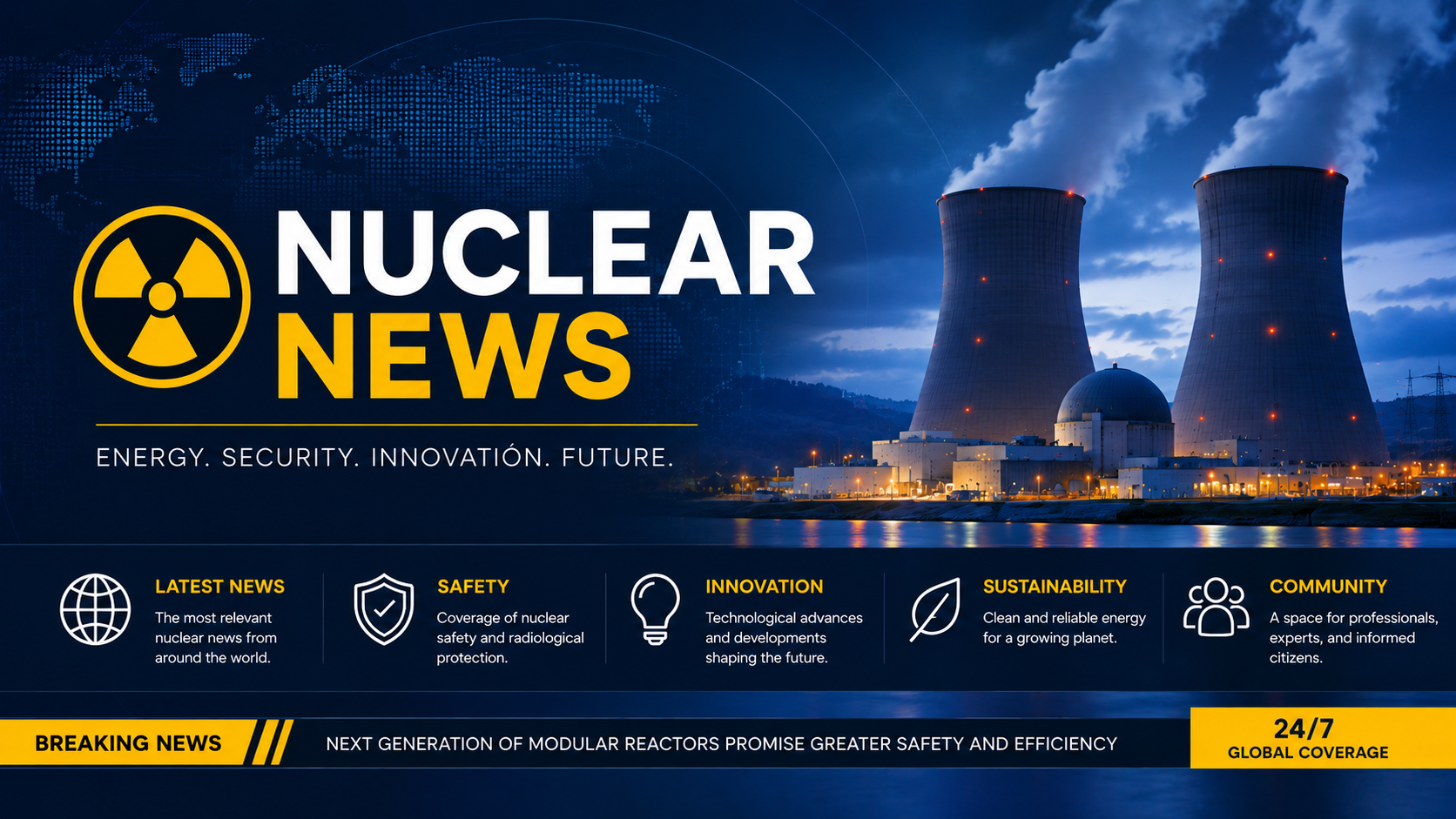
Photo: nuclear-news
2026-07-17 11:35 Opinion 11


Opinion Piece Argues the UK's Push for Small Modular Reactors Is Economically and Politically Unsustainable
This opinion article argues that the United Kingdom has become the leading promoter of small modular reactors (SMRs) despite what the author describes as repeated evidence that the technology is not economically competitive.
According to the article, the recent surge in positive media coverage surrounding SMRs is intended to create public confidence in a broader revival of the nuclear industry rather than being driven by proven commercial success.
The author points to extensive coverage by British and international media outlets and highlights initiatives such as the High Value Manufacturing Catapult consultation on future nuclear investment as examples of growing institutional support.
The article contrasts private-sector proposals for fleets of SMRs with government-backed initiatives, suggesting that advocates are presenting the UK as the global leader in a new nuclear renaissance.
It also reviews previous SMR efforts in Russia, China, and the United States, arguing that those projects experienced significant delays, technical challenges, or commercial setbacks.
The author further contends that political uncertainty in the UK, including the expected departure of Prime Minister Keir Starmer, may affect future support for SMRs, although entrenched industry interests could continue to promote the technology.
The article cites academics who argue that military considerations have historically influenced nuclear development and claims that modern SMRs are being marketed as a more acceptable alternative to large conventional nuclear plants.
It concludes by expressing skepticism that private investors will ultimately embrace large-scale SMR deployment, arguing that financial realities could limit the industry's ambitions despite continued promotional efforts.
2206
Original title: The global small nuclear reactor bandwagon is led by Britain. It ought to fail, but will it?
The AI system has determined that this news is clickbait/sensationalist: : The headline uses emotionally charged language such as 'bandwagon' and 'ought to fail' while ending with a rhetorical question designed to provoke curiosity. It expresses the author's conclusion before presenting the argument, making it more sensational than a neutral descriptive headline. This has coincided with the opinion of the majority of users.
You may also be interested in...
Renoir’s 'Pink and Blue' Portraits Reflect Tragedy of WWII
 Opinion columnist argues Trump's social media post combined longstanding attacks on Obama, race, and Islam
 Reflections on Vacation Souvenirs and Cultural Artifacts