
 Study Suggests Prolonged Sitting May Impact Longevity, But Methodology Raises Questions
KillBait - News highlights delivered clearly and responsibly—no clickbait, no sensationalism
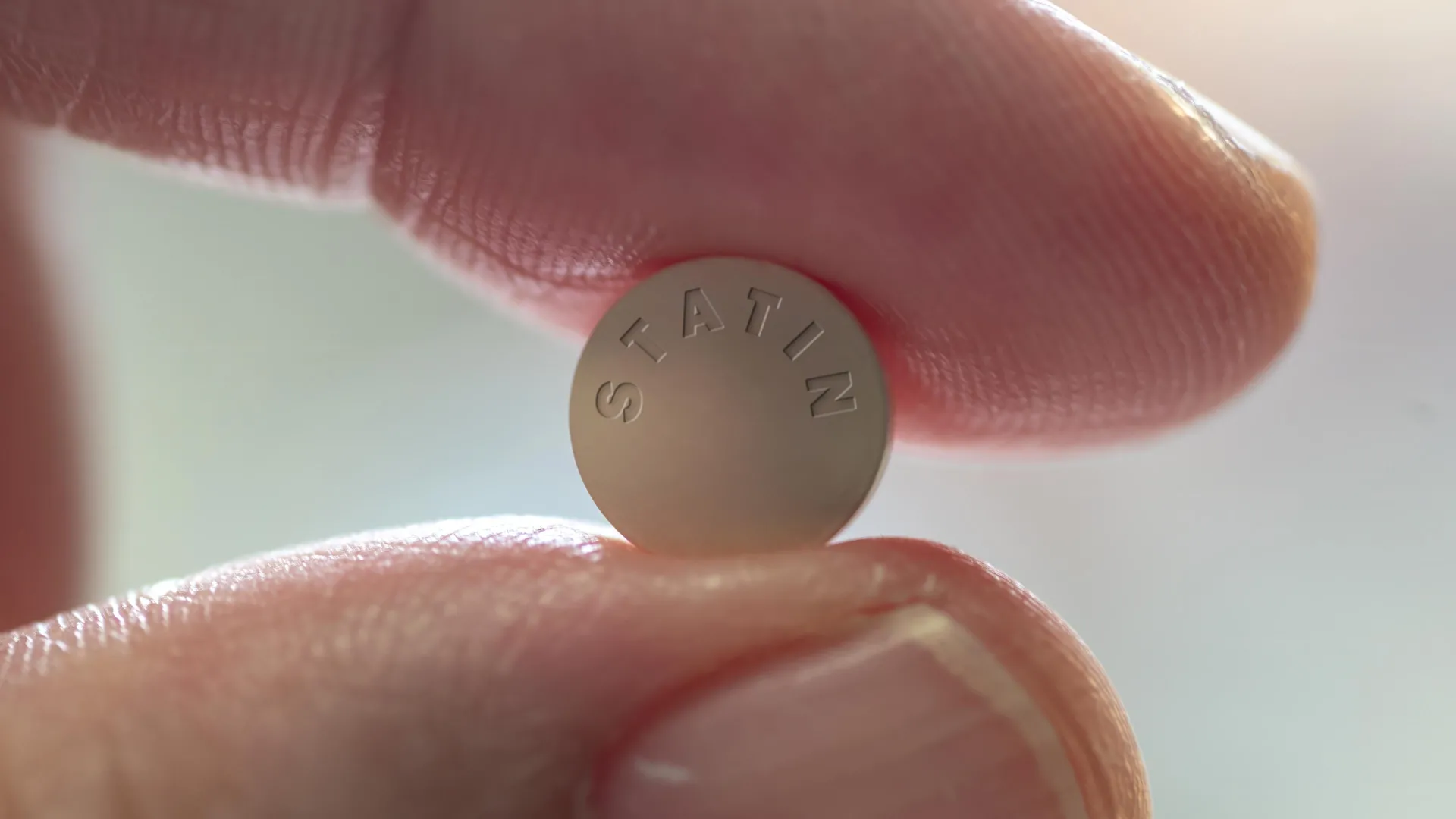
Photo: ScienceDaily
2026-07-04 01:43 Health 12 


Oxford researchers develop risk calculator to assess rare muscle side effects of statins
Researchers at the University of Oxford have developed a new clinical calculator designed to estimate an individual’s risk of developing serious muscle disorders from statin medications.
Statins are widely prescribed drugs used to lower cholesterol and reduce the risk of heart attacks and strokes, but concerns about potential muscle-related side effects often discourage patients from starting or continuing treatment.
The new tool, published in The Lancet Digital Health, analyzes 22 routinely collected health factors such as age, sex, ethnicity, body mass index, smoking status, existing medical conditions, prior muscle problems, vitamin D levels, and medication use to estimate risk over one, five, and ten years.Using data from more than 5.
6 million people across England, researchers built and validated the model to ensure accuracy in predicting rare but serious muscle disorders that can require hospitalization or, in extreme cases, lead to death.
Their findings suggest that over 98% of individuals eligible for statins are at very low risk of these severe complications, indicating that fears about serious muscle side effects may be overstated for most patients.
At the same time, the study identified a significant treatment gap, noting that more than 60% of eligible patients are not currently taking statins despite potentially high cardiovascular risk.
The researchers propose that the calculator be used alongside existing cardiovascular risk tools to help clinicians and patients make more informed, personalized decisions about whether to begin or continue statin therapy.
By providing individualized estimates of both benefits and risks, the tool aims to improve communication, reduce unnecessary concern about rare side effects, and support better prevention of heart attacks and strokes through evidence-based treatment decisions.
2224
Original title: New calculator reveals whether you should really worry about statin side effects
The AI system has determined that this news is not clickbait/sensationalist: : The original title uses conversational phrasing ('whether you should really worry') but accurately reflects the content of a scientific study about a new risk calculator for statin side effects. It is slightly attention-grabbing but not misleading or strongly sensationalist. This has coincided with the opinion of the majority of users.
You may also be interested in...
Study Suggests Prolonged Sitting May Impact Longevity, But Methodology Raises Questions
 FDA Approves ZYN Pouches as Less Harmful Alternative to Cigarettes, But Advises Against Use
 19-year-old diagnosed with rare ovarian cancer after severe abdominal pain initially mistaken for period cramps