
 Google Commits to Replenishing 120% of Data Center Water Consumption by 2030
KillBait - News highlights delivered clearly and responsibly—no clickbait, no sensationalism
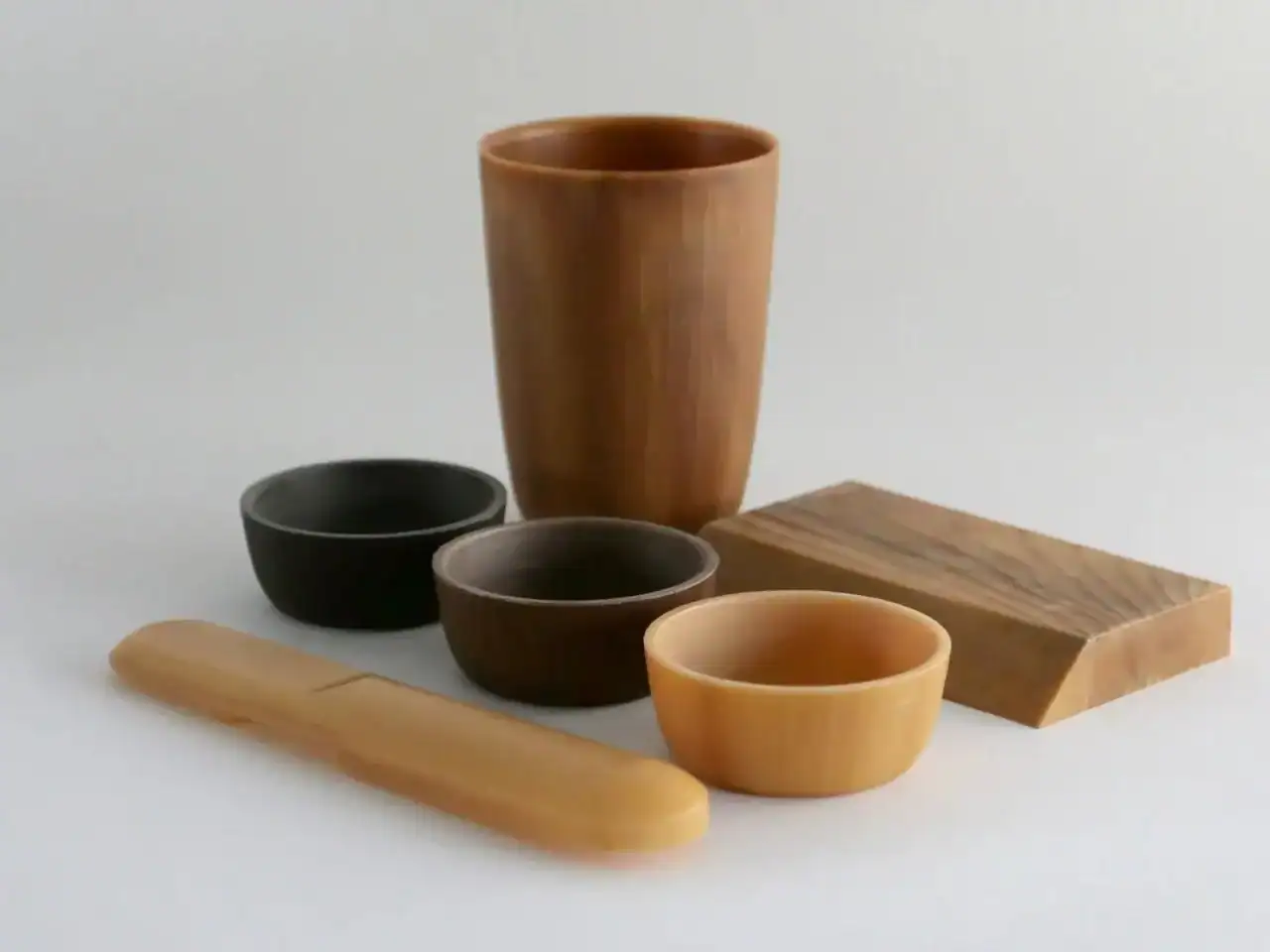
Photo: Moss and Fog
2026-06-03 17:18 Environment 16 


Panasonic’s Kinari: A Plant-Based Plastic Alternative Made from Waste Materials
Kinari is an innovative material developed by Panasonic’s MI Division as a potential alternative to conventional plastics.Under development since 2015, it is made almost entirely from plant-based fibers and repurposed organic waste, including coffee grounds, sake byproducts, and wood from cleared overgrown forests.The goal of the project is to reduce dependence on petroleum-based plastics while also minimizing environmental impact.Visually, Kinari products resemble natural materials such as wood or ceramic.
Items like spoons, bowls, and tumblers are designed in earthy tones such as deep forest green and terracotta, often leading users to mistake them for handcrafted natural goods.
According to Panasonic’s development team, extensive testing suggests Kinari performs comparably to traditional plastics while offering environmental advantages.One of its key innovations is manufacturing compatibility.Kinari can be processed using existing plastic production machinery, meaning manufacturers do not need to invest in new equipment.Additionally, its production reportedly uses no water and significantly reduces carbon dioxide emissions compared to conventional plastics.The material also avoids using food crops, relying instead on waste streams, which helps avoid competition with food supply chains.The developers are gradually increasing the proportion of plant-based content, with the long-term goal of eliminating petroleum-based resin entirely.
At the end of its lifecycle, Kinari products can either be composted within roughly nine months or recycled back into new material, supporting a closed-loop system.Kinari is already being adopted in real-world applications.
Companies such as Asahi have used it for reusable tumblers, fashion brand ECOALF has incorporated it into clothing components, and schools in Japan are using it for educational sustainability tools like lunch boxes.
The project reflects a broader shift toward scalable, low-impact materials that can integrate into existing industrial systems while reducing environmental harm.
2294
Original title: What Is Kinari? Meet Panasonic’s Plant-Based Plastic Alternative
The AI system has determined that this news is not clickbait/sensationalist: : The title is informational and clearly describes the subject of the article without exaggerated language or misleading claims, so it is not considered clickbait. This has coincided with the opinion of the majority of users.
You may also be interested in...
Google Commits to Replenishing 120% of Data Center Water Consumption by 2030
 US Inflation Rises to 4.2 Percent in May Due to Oil Disruptions from Iran Conflict
 Air New Zealand Launches Economy Class SkyNest Sleep Pods on Ultra-Long-Haul Flights