
 Economic Challenges Despite Upper-Middle Income Status in the Philippines
KillBait - News highlights delivered clearly and responsibly—no clickbait, no sensationalism
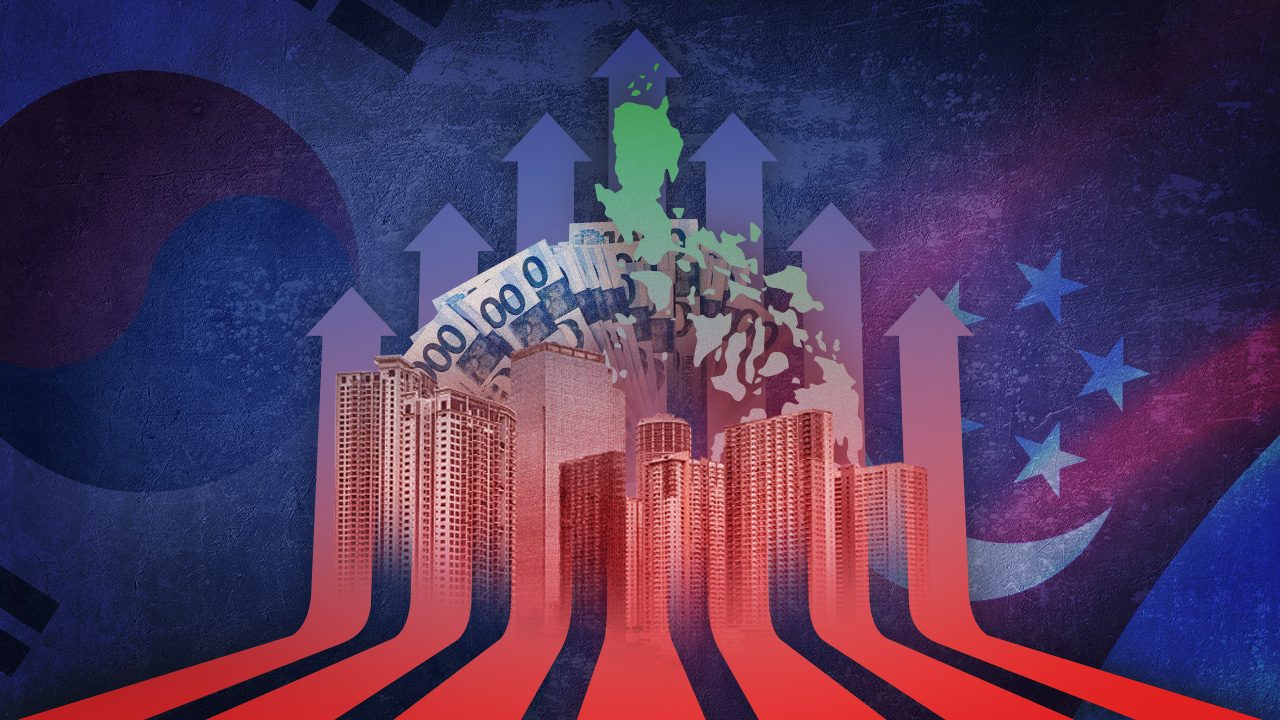
Photo: RAPPLER
2026-07-13 07:29 Economy 10


Philippines' Economic Transition: Lessons from Global Success Stories
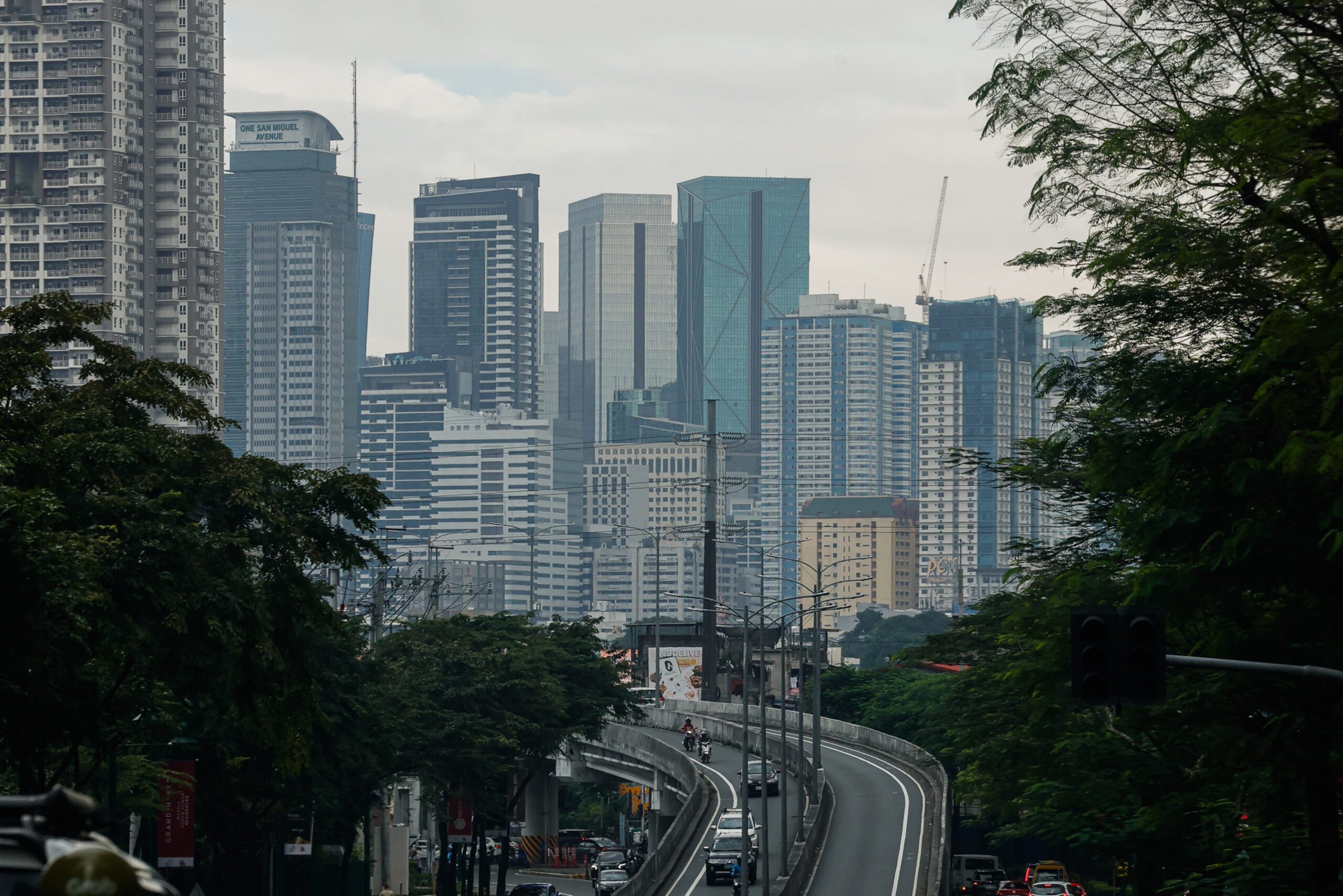
The Philippines has officially entered the upper-middle-income category according to the World Bank, marking a significant economic milestone.However, the article highlights that this status presents a critical test for the country's institutions.
It compares the Philippines' economic output to South Korea's Gyeonggi province, noting that despite a smaller population, Gyeonggi generates similar economic value through higher productivity.
The piece draws parallels with Portugal's historical trajectory, where institutional complacency led to economic stagnation despite initial global dominance.The Philippines faces similar challenges, with bureaucratic inefficiencies and regulatory barriers stifling innovation.
The article emphasizes the need for institutional reforms to foster new entrants, technologies, and ideas, rather than protecting existing incumbents.Examples from South Korea, Singapore, and Thailand illustrate successful strategies for balancing growth with innovation.
The Philippines must avoid the 'middle-income trap' by prioritizing institutional renewal over short-term gains, ensuring sustainable economic progress.
2186
Original title: [OPINION] Upper-middle income Philippines can learn a thing or two from these countries
The AI system has determined that this news is clickbait/sensationalist: : The original title uses a catchy phrase ('learn a thing or two') to attract attention, which is typical of clickbait headlines. It simplifies the complex economic analysis into a more sensationalist format. This has coincided with the opinion of the majority of users.
You may also be interested in...
Economic Challenges Despite Upper-Middle Income Status in the Philippines
 Philippines' Inflation Remains Above Target Despite June Easing to 6.4%
 PLDT and DITO formalise agreement for shared use of telecom towers and infrastructure