
 USDA Plans Closure of Federal Bee Research Lab Amid Nationwide Pollinator Crisis
KillBait - News highlights delivered clearly and responsibly—no clickbait, no sensationalism
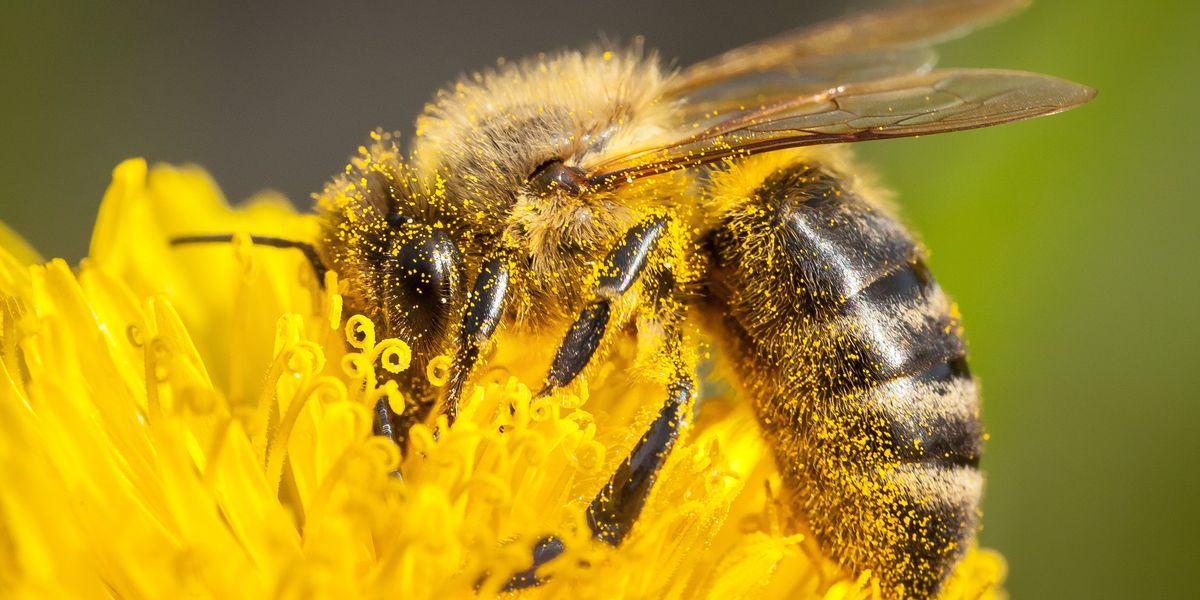
Photo: Raw Story - Celebrating 20 Years of Independent Journalism
2026-05-26 20:15 Environment 56 


Planned Closure of USDA Bee Research Lab Raises Concerns Over Pollinator Health and Food Security
A report published by The Conversation examines the planned closure of the Beltsville Bee Research Lab, a major U.S.Department of Agriculture facility dedicated to honey bee and pollinator research.
Located within the Beltsville Agricultural Research Center in Maryland, the lab has provided scientific support to American beekeepers for decades, including free disease diagnostics and research into threats affecting bee populations.
The article argues that the closure comes at a particularly difficult time for the beekeeping industry, following severe colony losses during the winter of 2025 caused largely by pesticide-resistant varroa mites and associated viruses.According to the report, beekeepers lost nearly 1.7 million colonies nationwide, leading to significant economic damage and reduced honey production.
Researchers at the lab had been studying the outbreak and developing responses to current and emerging threats such as Tropilaelaps mites, which have already affected bee populations in Asia.The article also discusses broader federal cuts to pollinator and environmental research programs, including proposed reductions at the U.S.Geological Survey and the U.S.Forest Service.
Critics cited in the piece warn that eliminating these facilities could weaken scientific monitoring of pollinator health, reduce support for farmers and beekeepers, and increase food production costs because many crops depend on pollination.The USDA has justified the closure by citing high infrastructure maintenance costs at the Beltsville research center.However, the article contends that the long-term economic and agricultural consequences of losing the lab may outweigh the projected savings.
Full reading at Raw Story - Celebrating 20 Years of Independent Journalism
2538
Original title: Trump fired the scientists saving America's bees. Now he's closing their lab.
The AI system has determined that this news is clickbait/sensationalist: : The original title uses emotionally charged language such as 'saving America's bees' and directly blames Trump, making it more sensational and attention-grabbing than a neutral descriptive headline. This has coincided with the opinion of the majority of users.
You may also be interested in...
USDA Plans Closure of Federal Bee Research Lab Amid Nationwide Pollinator Crisis
 Officials Raised Concerns Over Proposed Lease of Rock Creek Park to Private Operator
 Concerns grow over water pollution risks from AI data centers amid weak PFAS oversight in the U.S.