
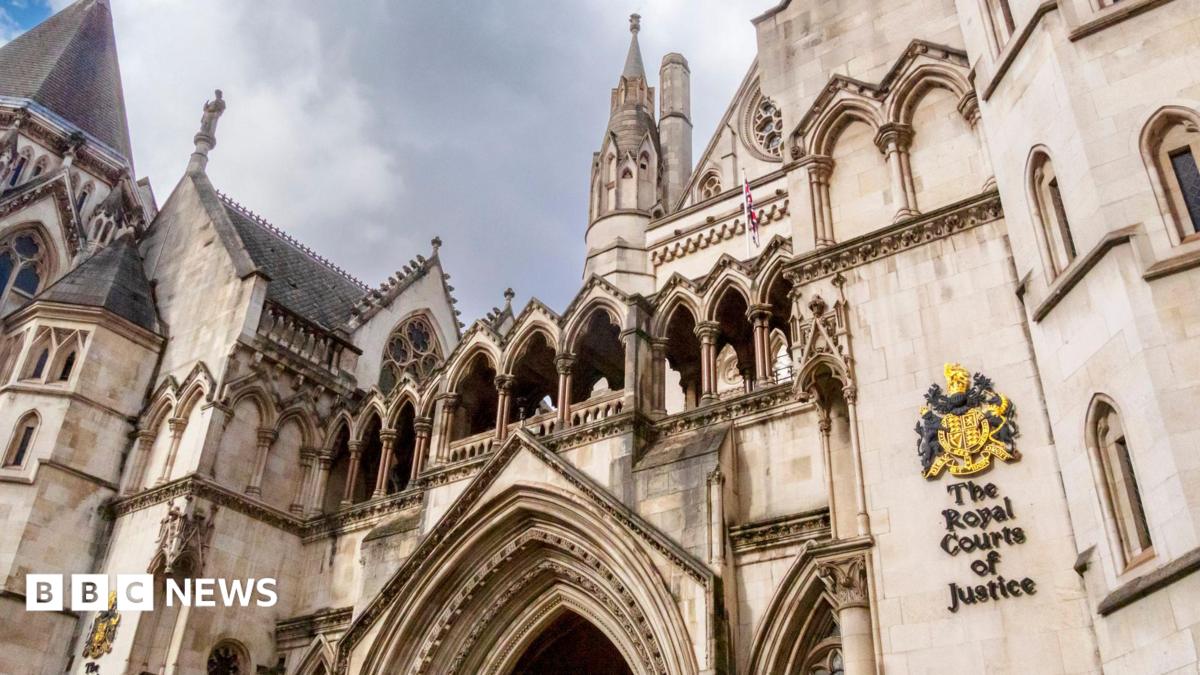
 Mother appeals court ruling on child contact with ex-partner accused of rape
KillBait - News highlights delivered clearly and responsibly—no clickbait, no sensationalism

Photo: BBC
2026-07-08 22:38 Justice 10


Posthumous pardon for Ruth Ellis, last woman executed in UK, recognized as abuse victim
Ruth Ellis, the last woman to be executed in the UK, has been granted a posthumous conditional pardon by King Charles III.The decision, announced by Deputy Prime Minister David Lammy, replaces the death penalty with a life imprisonment sentence, acknowledging the profound injustice of her 1955 conviction.
Ellis, a nightclub hostess from Denbighshire, was hanged for murdering her lover David Blakely after a turbulent relationship marked by domestic abuse and coercive control.
Her family, including granddaughter Laura Enston, campaigned for years to overturn her conviction, arguing she was a victim of abuse and that the justice system failed to recognize domestic violence at the time.
The pardon highlights the historical failure to address coercive control and trauma in legal proceedings, with critics noting that Ellis's case predated legal reforms that now allow diminished responsibility as a defense.The decision underscores the ongoing struggle for justice for victims of domestic abuse and the need for systemic change.The King's power to grant pardons, typically used when requested by the government, reflects a rare acknowledgment of past judicial shortcomings.
The case also sparked public debate about the role of media and public perception in shaping legal outcomes, as Ellis's trial was influenced by her perceived 'cold-blooded' demeanor despite the trauma she endured.
2186
Original title: Ruth Ellis, last woman to be hanged in UK, gets conditional posthumous pardon
The AI system has determined that this news is not clickbait/sensationalist: : The original title is factual and informative, focusing on the key event of the pardon without sensationalist language. This has coincided with the opinion of the majority of users.
You may also be interested in...
Mother appeals court ruling on child contact with ex-partner accused of rape
 IT expert accused of murdering wife and daughters in £1.3m Bedford home
 Ofcom fines Virgin Media £28m over customer cancellation mishandling