
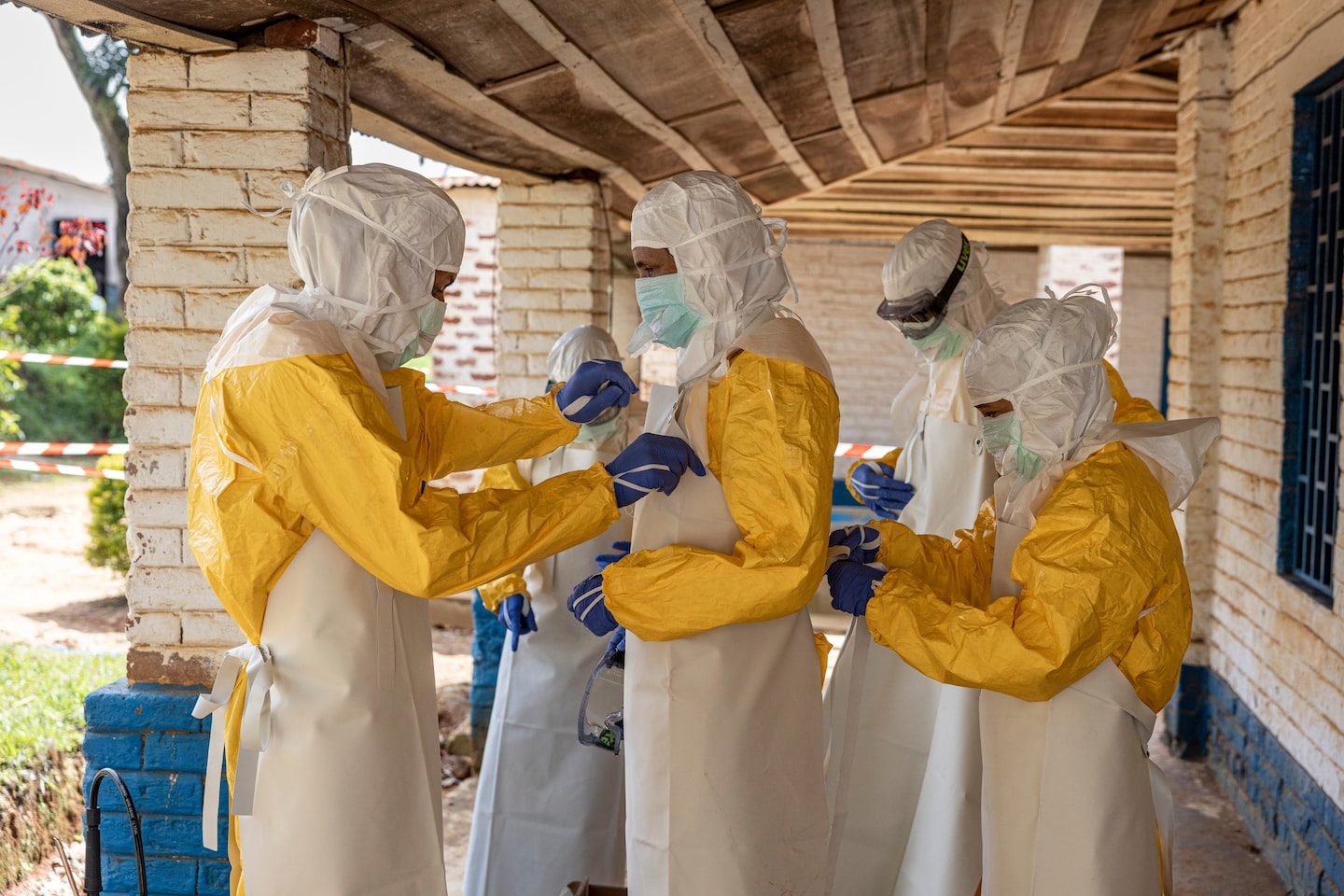
 U.S. Military to Open Field Hospital in Kenya for Americans Exposed to Ebola
KillBait - News highlights delivered clearly and responsibly—no clickbait, no sensationalism

Photo: African News Agency
2026-05-22 04:49 Health 11 


Practical Guidance for Effective Asthma Assessment and Management
Asthma affects over 260 million people globally, yet many manage it only when symptoms appear.Frequent wheezing, nighttime breathing difficulties, or overuse of reliever inhalers are warning signs that asthma may not be well-controlled.Experts stress the importance of long-term management, highlighting the role of anti-inflammatory inhalers alongside fast-relief medications.Relying solely on reliever inhalers addresses immediate symptoms but leaves airway inflammation untreated, increasing the risk of severe attacks.In South Africa, progress has been made with national asthma guidelines, specialist centers, and treatment options.However, access to care remains limited, especially for severe asthma patients, impacting their daily life and health.Children are particularly vulnerable, as uncontrolled asthma can affect sleep, school performance, and long-term lung function.Environmental factors, such as air pollution and respiratory infections, also worsen asthma.Effective management includes early diagnosis, patient education, clean air initiatives, regular monitoring, and appropriate medications.Healthcare professionals advise consulting a doctor if symptoms persist, reliever inhalers are used frequently, or daily activities are affected.Proper asthma control ensures better quality of life and reduces the risk of serious complications.
Full reading at African News Agency
2206
Original title: How to assess and manage your asthma effectively
The AI system has determined that this news is not clickbait/sensationalist: : The original title accurately describes the article’s content and does not exaggerate or sensationalize the information. This has coincided with the opinion of the majority of users.
You may also be interested in...
U.S. Military to Open Field Hospital in Kenya for Americans Exposed to Ebola
 NF1 research breakthrough sparks hope for simple, affordable therapies
 AI Phone Monitoring Shows Promise in Reducing Hospitalizations for Heart Failure Patients