
 Hannah Murray discusses mental health crisis following involvement with a wellness group and subsequent hospitalisation
KillBait - News highlights delivered clearly and responsibly—no clickbait, no sensationalism
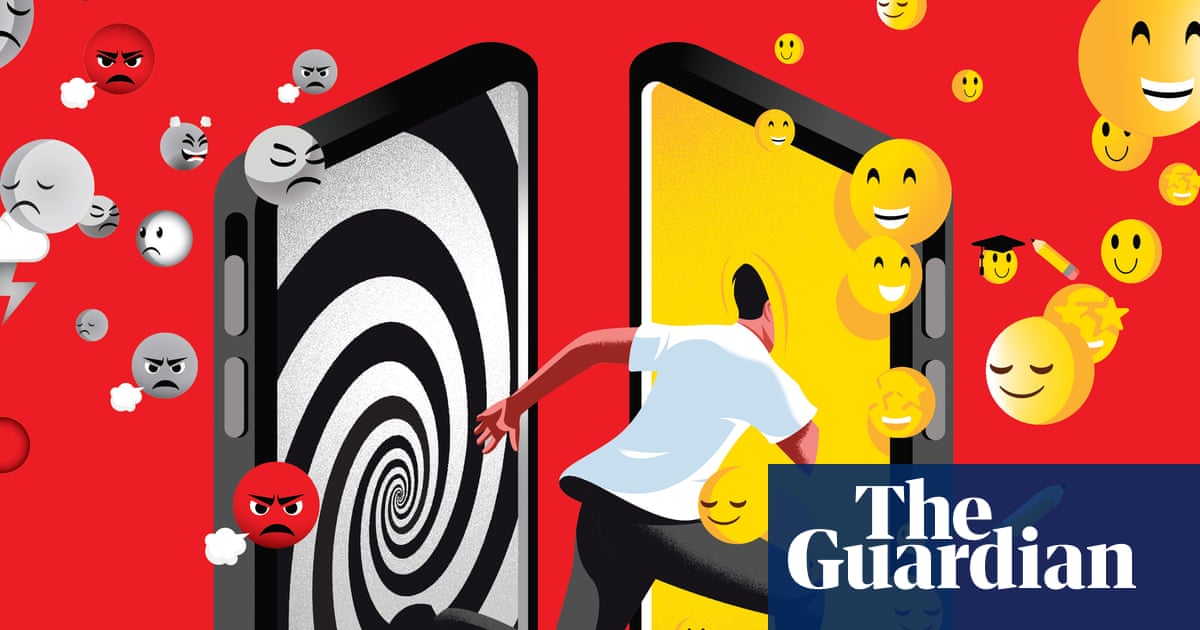
Photo: theguardian.com
2026-05-22 19:49 Health 12 


Practical Ways to Make Screen Time Healthier and More Purposeful
The average adult in the UK spends roughly 7.5 hours a day on screens, spanning phones, laptops, consoles and TVs.While screen time is often criticised, experts stress that not all usage is harmful.The key distinction lies in conscious engagement.
Activities like learning a language, playing strategy games, video-calling friends, or creating digital art can be enriching and beneficial for mental health.Conversely, passive scrolling and compulsive engagement often reduce wellbeing.
Experts recommend substituting passive scrolling with purposeful activities: playing games that challenge problem-solving and foster social connections, engaging in word or puzzle games to stimulate cognitive function, and using platforms to build community and meaningful relationships.Creative pursuits, such as digital art, music, writing, or video editing, can promote focus, self-esteem, and emotional processing.
Digital learning apps also allow for productive use of spare moments, supporting skill development and mastery through structured, interactive experiences.
Ultimately, intentionality in digital use—choosing activities that are engaging, educational, or socially connecting—enhances wellbeing, while unreflective consumption can be detrimental.
Conscious choices about screen engagement can transform screen time from a source of stress into a tool for personal growth, social connection and mental stimulation.
Full reading at theguardian.com
2224
Original title: Screentime swaps: how to quit doomscrolling without quitting your phone
The AI system has determined that this news is clickbait/sensationalist: : The original title uses phrases like 'doomscrolling' and 'without quitting your phone' to attract attention, which gives it a sensationalist tone rather than straightforwardly describing the content. This has coincided with the opinion of the majority of users.
You may also be interested in...
Hannah Murray discusses mental health crisis following involvement with a wellness group and subsequent hospitalisation
 Marmite: health benefits and cautions of a divisive favourite
 Expansion of Pharmacy First scheme to allow pharmacists to prescribe additional medications