
 Zanzibar Opposition Challenges Mandatory National Service for Local Youth
KillBait - News highlights delivered clearly and responsibly—no clickbait, no sensationalism
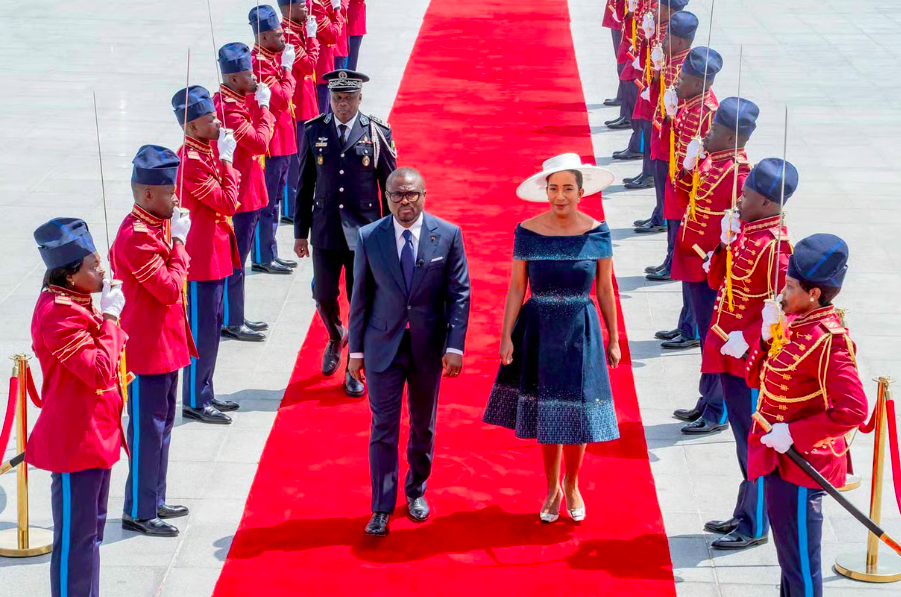
Photo: The Africa Report
2026-06-01 18:40 Politics 10 


President Wadagni forms 24-member loyalist cabinet in Benin after inauguration
Benin has entered a new political phase following the inauguration of President Romuald Wadagni, who succeeded former leader Patrice Talon.Just hours after being sworn in on 24 May 2026, Wadagni quickly announced the composition of his first government, signaling a fast and decisive start to his seven-year mandate.The newly formed cabinet is made up of 24 members and is described as being streamlined, with a strong emphasis on loyalty and efficiency.
The selection heavily features close aides, trusted collaborators, and professionals with technical and digital expertise, reflecting a governance style focused on administrative control and modernization.Among the appointed ministers, only seven are women, highlighting ongoing gender imbalance concerns in high-level political representation.
The formation of the cabinet suggests that the new president is aiming to consolidate authority early in his term while ensuring continuity in governance after the Talon administration.Analysts interpret the move as an attempt to maintain political stability while accelerating policy implementation.
The inclusion of tech specialists indicates a possible priority on digital transformation, public sector efficiency, and modernization of state institutions.At the same time, the loyalty-driven composition has raised discussions about how inclusive and politically diverse the new administration will be.Overall, Wadagni’s first major political action sets the tone for a presidency that appears focused on speed, control, and administrative efficiency.
The streamlined structure of the government suggests an intention to reduce bureaucracy and ensure quick decision-making, but it also raises questions about balance, representation, and openness in Benin’s evolving democratic landscape.
Full reading at The Africa Report
2187
Original title: Benin’s new era: President Wadagni unveils streamlined, loyalist cabinet
The AI system has determined that this news is not clickbait/sensationalist: : The original title is descriptive and factual, clearly summarizing the appointment of a new cabinet by the president without sensational language or exaggerated claims, so it is not clickbait. This has coincided with the opinion of the majority of users.
You may also be interested in...
Zanzibar Opposition Challenges Mandatory National Service for Local Youth
 Musoma Youth Raise Concerns Over Inaccessible Government Loans and Lack of Local Accountability
 Presidential Commission Begins Legal Process on Election Violence Investigations