
 Andrew Malkinson criticises 24-year sentence given to man convicted of 2003 rape case
KillBait - News highlights delivered clearly and responsibly—no clickbait, no sensationalism
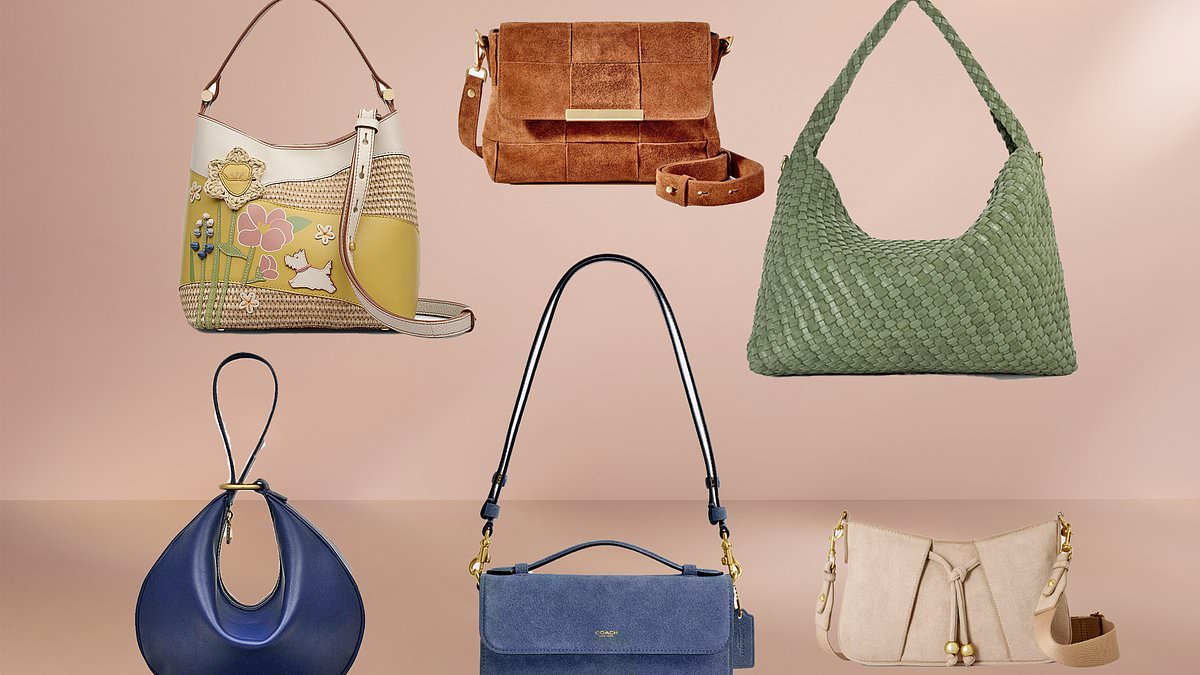
Photo: Mail Online
2026-05-30 01:42 Fashion 13 


Radley handbags and shifting UK consumer preferences in the affordable luxury market
The article discusses the changing fortunes of British handbag brand Radley, once popular for offering accessible luxury and widely recognised for its signature Scottie dog charm.
According to the commentary, the brand may be at a turning point following reports of new ownership and speculation about its future presence on the UK High Street.
Once a go-to choice for practical yet polished handbags, particularly among middle-class British women and as an entry point into 'proper' handbags, Radley is now portrayed as struggling to maintain relevance in a rapidly evolving fashion landscape.The piece argues that modern consumers, especially midlife women, are increasingly style-conscious and less loyal to traditional heritage brands.Instead, they seek handbags that reflect individuality, versatility and contemporary aesthetics.
Social media platforms such as Instagram and Pinterest are highlighted as key influences, encouraging shoppers to mix premium and affordable items more freely and to prioritise personal style over brand loyalty.
As a result, demand has shifted towards labels such as Coach, Mint Velvet, AllSaints, Zara, Marks & Spencer, and John Lewis, which are seen as offering more modern and flexible designs at competitive prices.
The article suggests that many High Street retailers have significantly improved their accessories ranges, making it harder for mid-market heritage brands like Radley to stand out.
While Radley is criticised for being safe and predictable in its design evolution, the author also notes that the brand still retains strengths in craftsmanship and practicality.
The conclusion is that Radley’s future depends on reinvention—modernising design language, refreshing branding, and aligning more closely with the lifestyles of today’s consumers—rather than simply disappearing from relevance.
2243
Original title: You're right to ditch overpriced and boring Radley bags: It's no wonder dated brand once loved by Pippa Middleton could disappear from the High Street, says LISA TALBOT
The AI system has determined that this news is clickbait/sensationalist: : The original title uses highly emotive and judgemental language such as 'overpriced and boring' and 'could disappear', alongside promotional framing of alternatives, which is designed to provoke engagement rather than neutrally describe the story. This has coincided with the opinion of the majority of users.
You may also be interested in...
Andrew Malkinson criticises 24-year sentence given to man convicted of 2003 rape case
 Brexit’s legacy of misinformation, political polarisation and economic damage in Britain
 Violent protests in Southampton after Henry Nowak case leave 11 officers injured and two people arrested