
 New Fossil Species of Axolotl Reveals Ancient Presence in Mexico
KillBait - News highlights delivered clearly and responsibly—no clickbait, no sensationalism
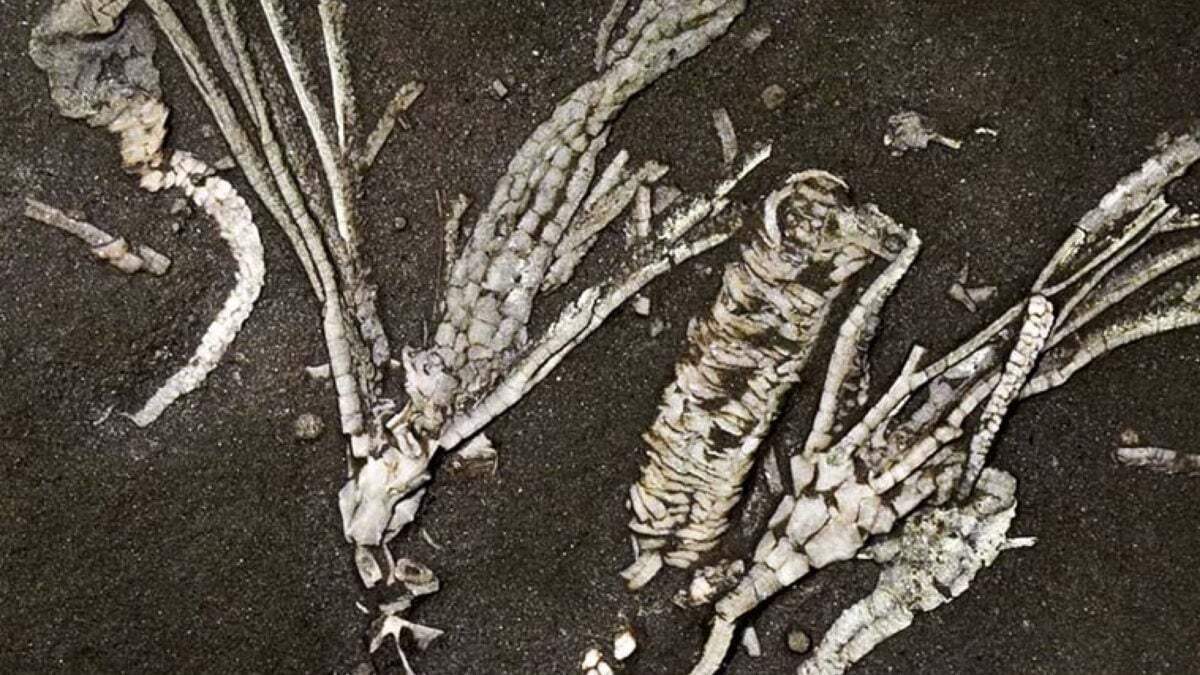
Photo: Gizmodo
2026-07-09 05:46 Science 11


Rare 450-Million-Year-Old Crinoid Fossil Reveals Soft Tissue Insights
Researchers discovered a rare crinoid fossil from approximately 450 million years ago, marking the second known instance of soft tissue preservation in such ancient sea creatures.
The fossil, belonging to the species Dendrocrinus simcoensis, was found in a Montreal museum and provides unprecedented insights into ancient marine ecosystems.
Unlike typical fossils composed of skeletal remains, this specimen retains delicate structures like tube feet, which are crucial for understanding crinoid behavior and feeding habits.The preservation occurred under unique conditions where rapid burial in fine mud blocked oxygen, allowing minerals to fossilize the soft tissues.Scientists emphasize that such discoveries are exceptionally rare, occurring roughly once in a million chances.
The study, published in Royal Society Open Science, highlights how these fossils offer a window into the evolutionary history of crinoids, revealing differences in feeding and interaction patterns compared to their modern relatives.
The findings underscore the importance of exceptionally preserved fossils in refining our understanding of ancient life forms and their ecological roles, contributing to broader knowledge of Earth's evolutionary processes.
2206
Original title: Scientists Find Super-Rare Soft Tissue Fossil From 450-Million-Year-Old Sea Creature
The AI system has determined that this news is clickbait/sensationalist: : The original title uses hyperbolic language like 'super-rare' and 'sea creature' to sensationalize the discovery, prioritizing clickbait appeal over factual clarity. This has coincided with the opinion of the majority of users.
You may also be interested in...
New Fossil Species of Axolotl Reveals Ancient Presence in Mexico
 Research Suggests Tidally Locked Exoplanets May Support Life Due to Internal Heat Circulation
 Vitamin A and thyroid hormones regulate human central vision development