
 New Study Suggests Earth May Survive Sun's Expansion in 5 Billion Years
KillBait - News highlights delivered clearly and responsibly—no clickbait, no sensationalism
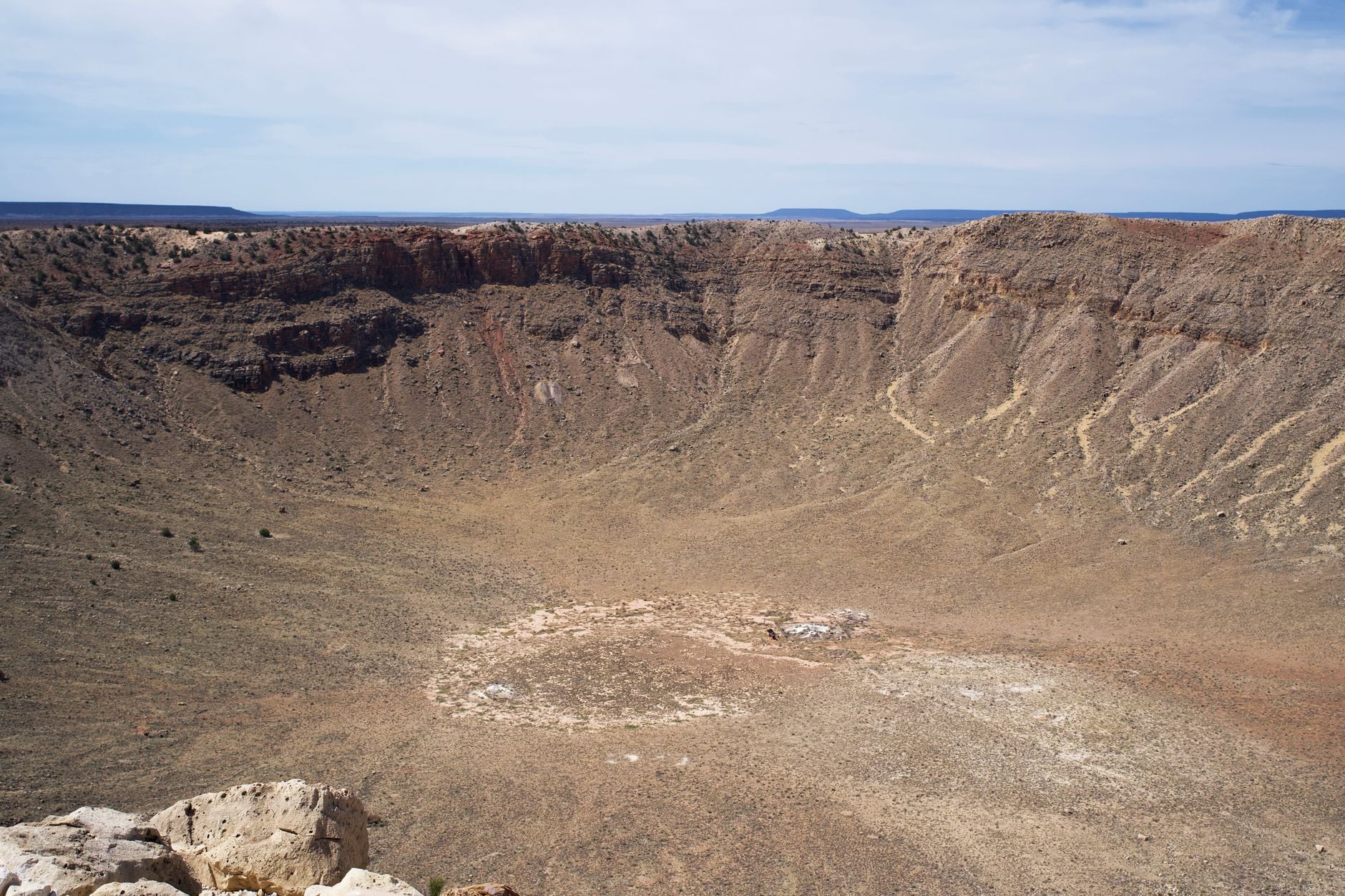
Photo: Space Daily
2026-07-13 13:29 Astronomy 10


Rare Meteorite Reveals Chemical Fingerprint of Lost Planet from Early Solar System
A one-pound meteorite discovered in the Sahara in 2019, classified as Northwest Africa 12774 (NWA 12774), has provided evidence for a previously unknown planetary body from the early solar system.
This rare angrite meteorite, part of a class of volcanic rocks among the oldest known, contains minerals indicating pressures too high for a small asteroid, suggesting its origin from a Moon-sized or larger planetary embryo.
Researchers argue that the mineral composition and pressure readings imply the parent body was large enough to generate intense internal pressures near its surface, rather than deep within a smaller object.The study challenges previous assumptions about meteorite origins, as most are fragments of asteroids rather than planets.
NWA 12774's unique chemical fingerprint and volcanic history suggest it may represent a lost world that formed early in the solar system but was destroyed during chaotic planetary collisions.
This discovery highlights how meteorites can preserve evidence of ancient celestial bodies, offering insights into the dynamic processes that shaped the inner solar system.
The findings contribute to understanding planetary differentiation and the violent assembly of planets, with implications for the study of early solar system dynamics.
2186
Original title: A single rare meteorite has revealed the chemical fingerprint of a Moon-sized world that once orbited the young Sun before being destroyed in a catastrophic collision — a lost planet science never knew existed until it landed as a rock
The AI system has determined that this news is clickbait/sensationalist: : The original title uses sensationalist language like 'lost planet science never knew' and dramatic phrasing ('catastrophic collision') to attract attention, which is typical of clickbait headlines. This has coincided with the opinion of the majority of users.
You may also be interested in...
New Study Suggests Earth May Survive Sun's Expansion in 5 Billion Years
 China's Tianwen-2 Probe Captures First Images of Earth's Quasi-Moon Asteroid Kamo’oalewa
 Scientists explore Dyson spheres around red and white dwarfs as potential alien megastructures