
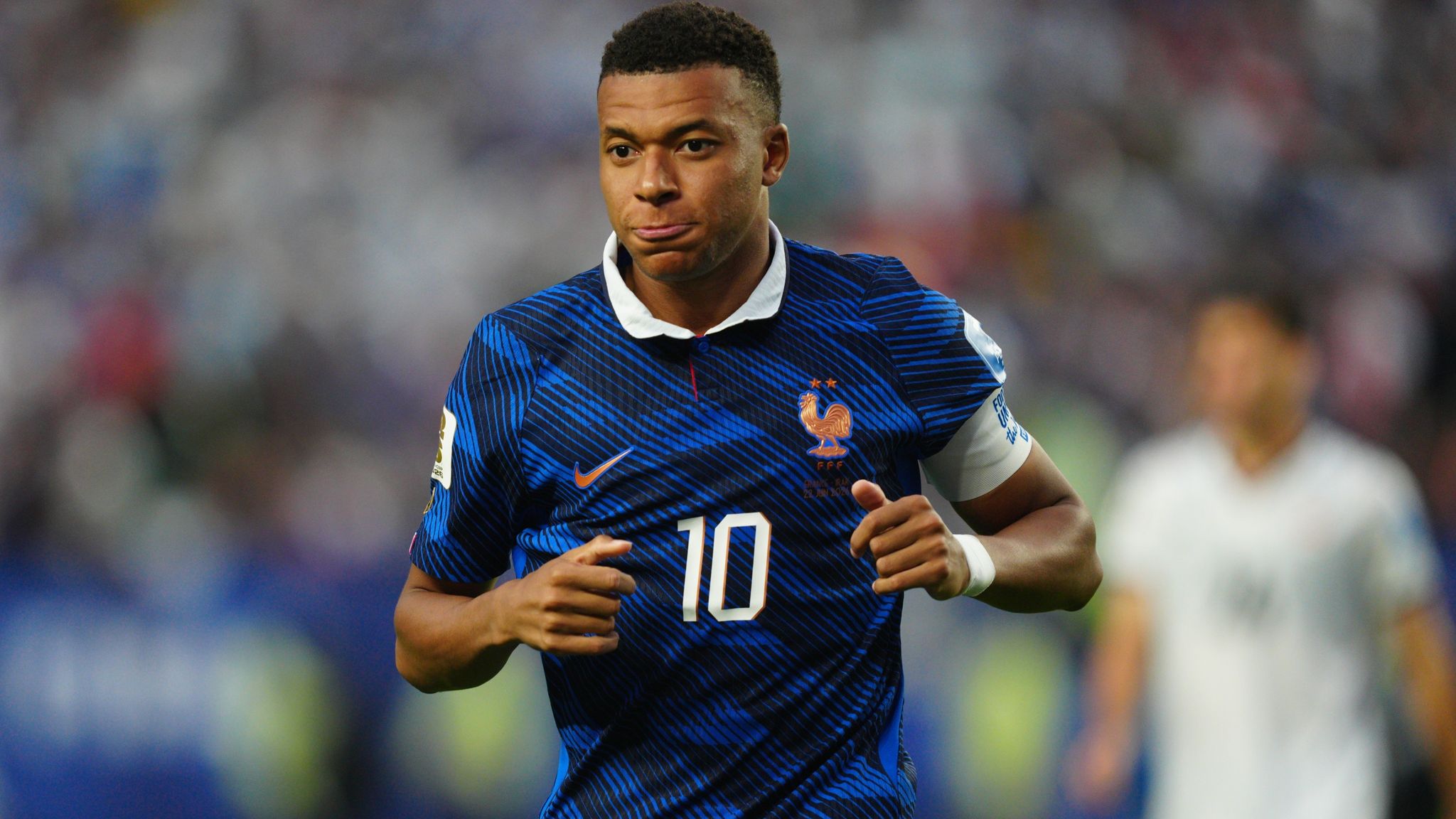
 Mbappe Condemns Racist Remarks by Paraguayan Senator After World Cup Match
KillBait - News highlights delivered clearly and responsibly—no clickbait, no sensationalism
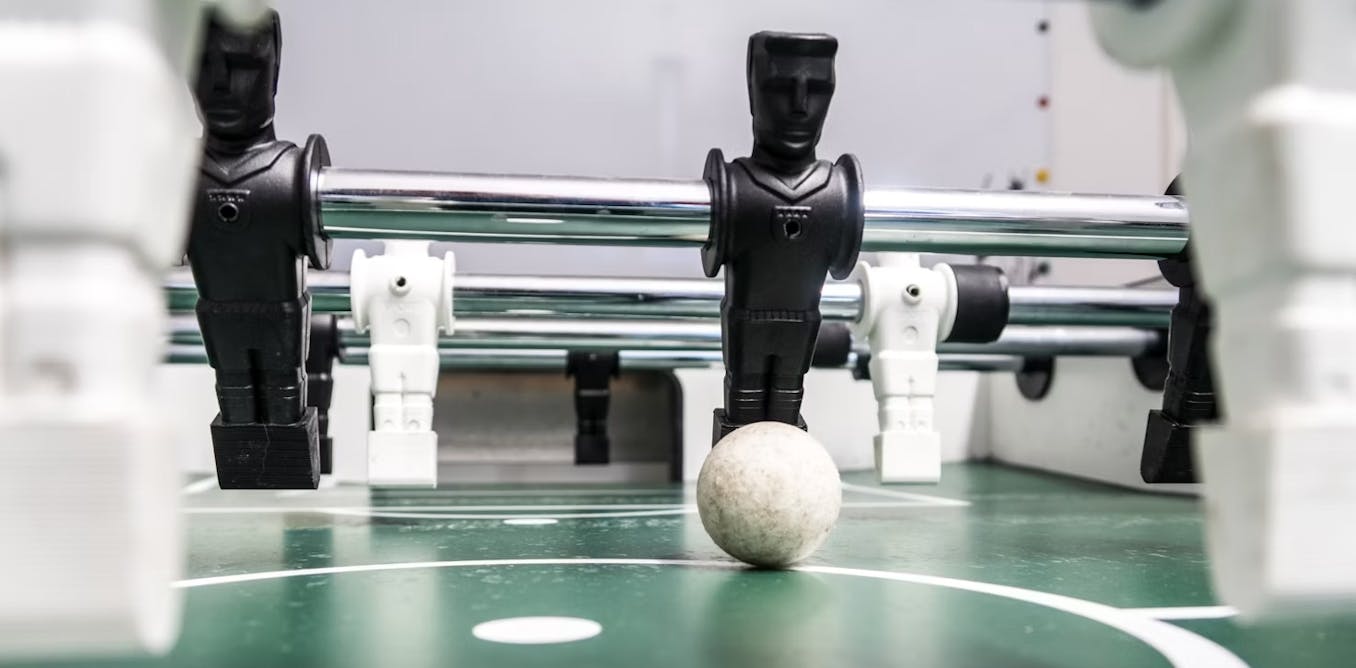
Photo: The Conversation
2026-07-09 22:33 Sports 10


Research shows how racial stereotypes continue to shape the development and transfer of African footballers
The article examines how long-standing racial stereotypes continue to influence the global football industry, especially in the recruitment and development of African footballers.
Against the backdrop of reported racist abuse during the 2026 FIFA World Cup and incidents involving discrimination, the authors argue that racism in football goes beyond open insults or abuse.
According to their research, structural inequalities are deeply rooted in the way African players are identified, trained and marketed for international transfers.
Based on fieldwork carried out since 2014 in Nigeria, Senegal and Cameroon, including interviews with football academy coaches and African players in Europe, the researchers found that many academies deliberately develop players who match existing expectations in the international market.
These expectations often portray African footballers as naturally strong, athletic and physically gifted, while unfairly suggesting they lack tactical intelligence, discipline or technical refinement.Because of these beliefs, academies may prioritise height, strength and endurance over technical ability when selecting young players.
The article also explains that many young West Africans see European football as a pathway to better economic opportunities despite being aware of racism and immigration barriers.
The authors connect these practices to the concept of racial capitalism, arguing that economic systems continue to profit from racial stereotypes established during colonial times.They also discuss the idea of strategic essentialism, where marginalised groups sometimes adopt simplified identities to improve their opportunities.
Overall, the article argues that genuine inclusion in football requires challenging these deeply embedded assumptions instead of allowing them to shape talent development and international player recruitment.
Full reading at The Conversation
2186
Original title: Racial stereotypes of African footballers persist. A World Cup is a good time to talk about them
The AI system has determined that this news is not clickbait/sensationalist: : The original headline reflects the main argument of the article without exaggeration or sensational language. It clearly tells readers that the story is about persistent racial stereotypes affecting African footballers and explains why the World Cup provides a timely opportunity to discuss the issue. This has coincided with the opinion of the majority of users.
You may also be interested in...
Mbappe Condemns Racist Remarks by Paraguayan Senator After World Cup Match
 Mbappe Responds to Racist Abuse by Paraguayan Senator After World Cup Match
 CAF Launches Bidding Process for Future AFCON Tournaments