
 US Expands Sterile Fly Program After Screwworm Detected in Texas
KillBait - News highlights delivered clearly and responsibly—no clickbait, no sensationalism
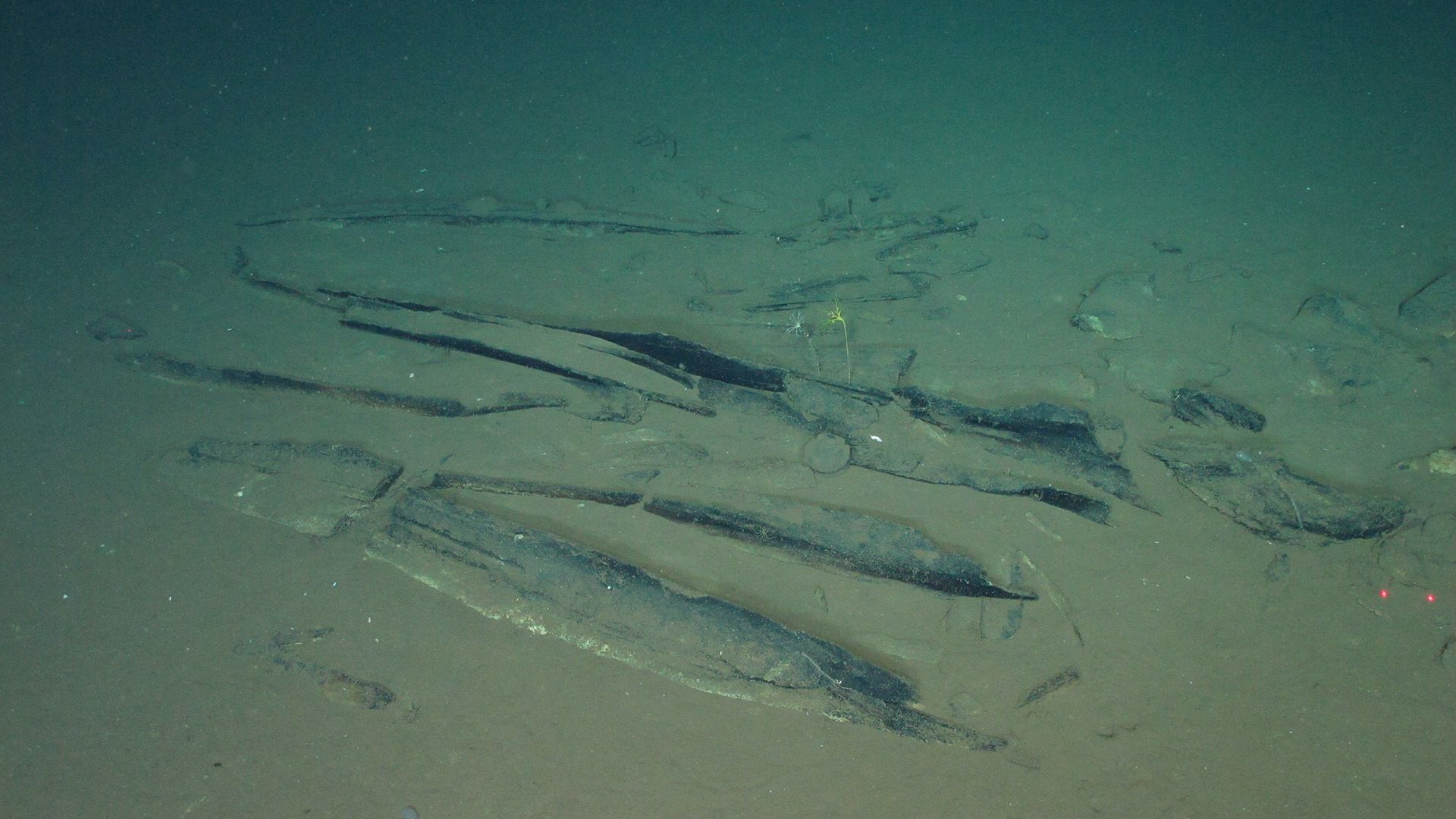
Photo: livescience.com
2026-06-11 01:50 Science 10 


Researchers Identify a 1,200-Kilometer Deep-Sea Whale Necropolis in the Indian Ocean
Scientists have identified what may be the largest known accumulation of whale remains ever found on the seafloor.The site, named the Diamantina Zone necropolis, stretches for more than 1,200 kilometers (750 miles) across the southeastern Indian Ocean and contains hundreds of whale fossils as well as several recent whale carcasses.
Using the Fendouzhe deep-sea submersible, researchers conducted 32 dives and documented 476 whale fossils and five active whale-fall ecosystems at depths ranging from about 4,200 to 7,000 meters.The findings were published in the journal Nature.
The whale carcasses support unique deep-sea communities that rely on bacteria capable of breaking down oils in whale bones and producing chemical energy.These ecosystems host dense populations of organisms including jellyfish, brittle stars, bone-eating Osedax worms, and mollusks.Researchers believe many of these organisms may represent species previously unknown to science.Analysis of recovered fossils revealed remains from both extinct and living whale species.The oldest specimen dates to approximately 5.3 million years ago and belongs to an extinct beaked whale.The study also describes a newly identified fossil species named Pterocetus diamantina.Most fossils consist of highly mineralized beaked whale rostra, which are unusually resistant to decay and dissolution.
Scientists propose several explanations for the remarkable concentration of whale remains, including favorable feeding conditions that attract beaked whales, deep-diving risks that may increase mortality, and seafloor topography that funnels sinking carcasses into the region.Extremely low sedimentation rates have also allowed bones to remain exposed and preserved for millions of years.Researchers suggest that similar deep-sea whale necropolises may exist in other parts of the world's oceans.
Full reading at livescience.com
2186
Original title: Scientists discover 5 million-year-old whale graveyard stretching for hundreds of miles in the Indian Ocean
The AI system has determined that this news is not clickbait/sensationalist: : The title accurately reflects the main finding reported in the study. While the discovery is remarkable and the wording is attention-grabbing, it does not exaggerate the evidence or make misleading claims beyond what the research describes. This has coincided with the opinion of the majority of users.
You may also be interested in...
US Expands Sterile Fly Program After Screwworm Detected in Texas
 Study Identifies Genetic Similarities Between Cat and Human Cancers, Highlighting Potential for Dual Treatments
 AMA Delegates Push for a Stronger Confrontation with HHS Secretary Robert F. Kennedy Jr. Over Public Health Policies