
 Thom Hartmann criticizes corporate personhood and its influence on U.S. elections
KillBait - News highlights delivered clearly and responsibly—no clickbait, no sensationalism
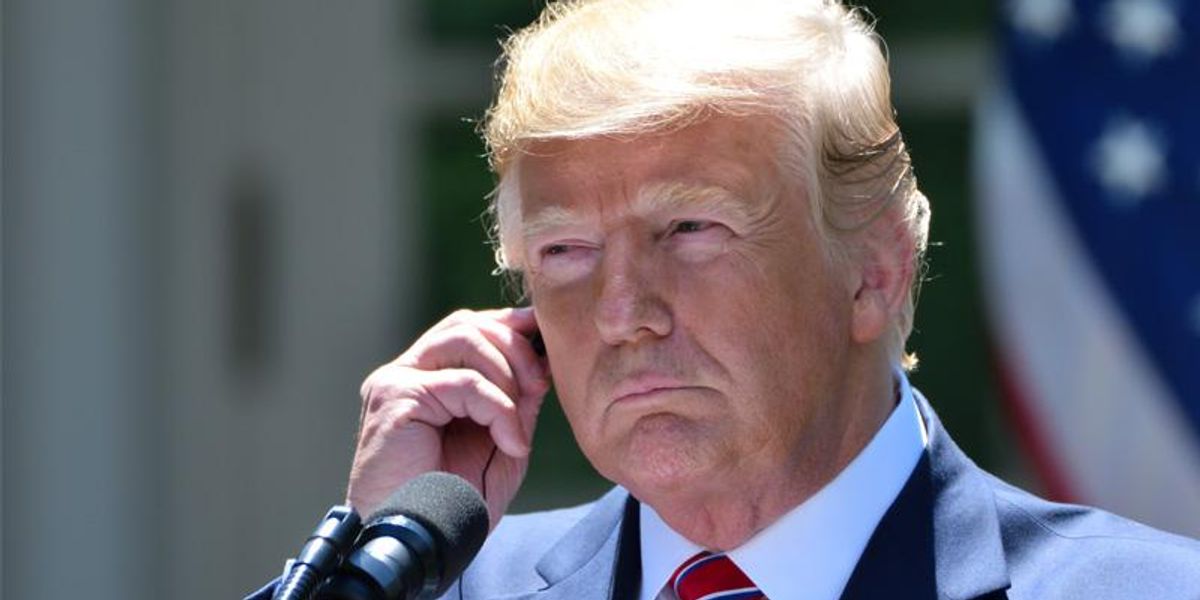
Photo: Raw Story - Celebrating 20 Years of Independent Journalism
2026-05-31 20:57 Opinion 27 


Robert Reich on inequality, corporate power, and the economic conditions behind Trump-style politics
In this opinion piece, Robert Reich argues that American politics cannot be understood separately from the structure of the U.S.economy.He points to recent economic data showing a widening gap between corporate profits and worker compensation.
While wages and benefits grew modestly, corporate profits increased at a significantly faster rate, continuing a long-term trend that has accelerated since the 1980s and especially after the pandemic.
According to Reich, this shift has resulted in workers receiving a shrinking share of national income, while wealth increasingly concentrates among capital owners.
He highlights that monopolization is a central driver of this imbalance, with large corporations across technology, finance, retail, energy, and healthcare exercising dominant control over markets, prices, and wages.These firms, he argues, also wield substantial political influence, making it difficult to separate public policy from private corporate interests.
At the same time, union membership has declined sharply from mid-20th-century levels, weakening workers’ bargaining power and further tilting economic power toward employers.Reich also warns that artificial intelligence could intensify these trends by replacing labor and increasing returns to capital.He suggests that upcoming AI-driven companies may reach massive valuations, further concentrating wealth.
In this context, he connects economic frustration and inequality to political anger, arguing that such conditions can fuel populist or demagogic leaders like Donald Trump.
To address these issues, Reich proposes several policy responses, including stronger antitrust enforcement to break up large corporations, higher taxation on wealth and capital, regulation of AI combined with universal basic income, expanded social programs such as universal healthcare and childcare, and broader distribution of capital ownership to give citizens a stake in economic growth.
He concludes that while these reforms would be difficult, they are necessary to prevent continued political instability driven by economic inequality.
Full reading at Raw Story - Celebrating 20 Years of Independent Journalism
2393
Original title: Here's what created Trump — and why we'll keep getting more of him
The AI system has determined that this news is clickbait/sensationalist: : The title uses provocative framing (“why we’ll keep getting more of him”) that implies inevitability and emotional impact, which is typical of clickbait-style headlines designed to attract attention rather than neutrally describe the content. This has coincided with the opinion of the majority of users.
You may also be interested in...
Thom Hartmann criticizes corporate personhood and its influence on U.S. elections
 Husband struggles with boundaries over wife’s financial support for adult sons
 Debate over U.S. radiation safety standards and regulatory changes under the Trump administration