
 The Narrow Door at Portugal’s Alcobaça Monastery and the Legend of the “Fat-Catcher” Door
KillBait - News highlights delivered clearly and responsibly—no clickbait, no sensationalism
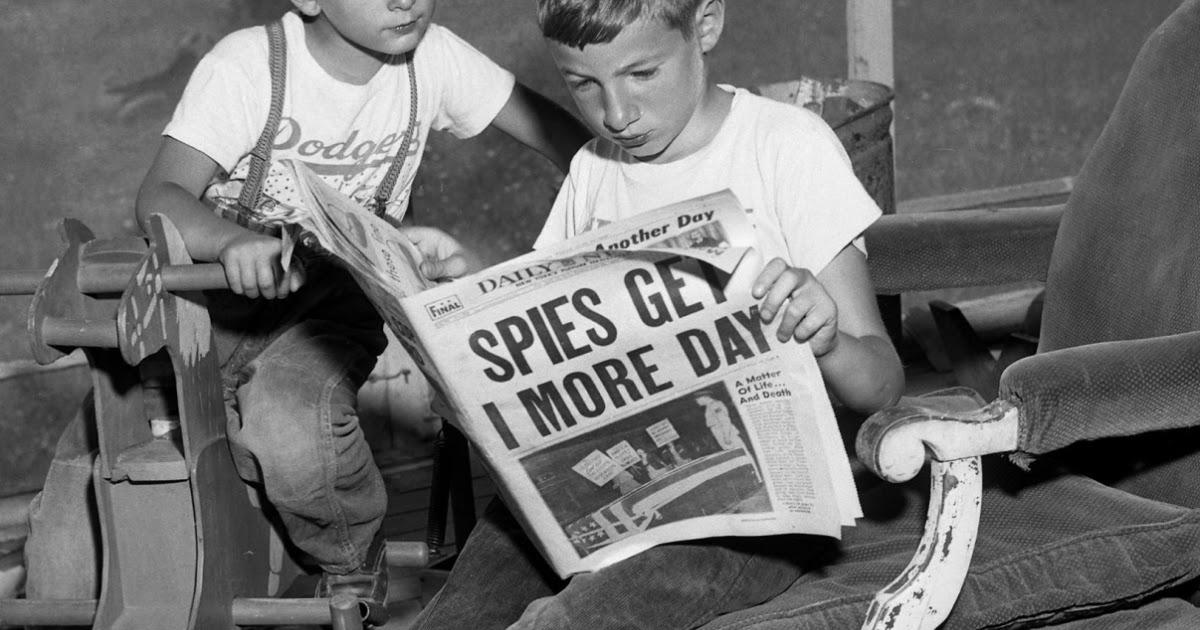
Photo: vintag.es
2026-05-21 11:30 History 21 


Rosenberg Children Confront Parents’ Execution and Life After Orphanhood
On June 19, 1953, Michael (10) and Robert (6) Rosenberg faced the grim news that their parents, Julius and Ethel Rosenberg, were scheduled to be executed the following day for conspiracy to commit espionage, accused of passing atomic secrets to the Soviet Union during the Cold War.
Photographed reading this devastating news while staying at a friend's home in Toms River, New Jersey, the boys were left orphaned after the execution.
Shunned by much of their extended family due to the stigma surrounding the Rosenberg name, the children were eventually adopted by Abel and Anne Meeropol.
Abel, known for his powerful anti-lynching song “Strange Fruit,” provided the boys with a nurturing home that emphasized intellectual growth and social awareness.
Taking the Meeropol surname, Michael became an economist and professor, while Robert pursued law and later founded the Rosenberg Fund for Children, supporting children of persecuted activists.
As adults, both brothers have engaged with the historical and political complexities of their parents' case, acknowledging Julius’s espionage role while asserting that Ethel’s conviction was unjust.Their lives illustrate resilience in the face of personal tragedy and the lasting impact of a controversial historical event.
2342
Original title: Rosenberg Children Read in the Newspaper on June 19, 1953 That Their Parents Have One Day More to Live
The AI system has determined that this news is clickbait/sensationalist: : The original title exaggerates the emotional impact by focusing on the children reading their parents’ impending death, which is sensationalist and emotionally charged. This has coincided with the opinion of the majority of users.
You may also be interested in...
The Narrow Door at Portugal’s Alcobaça Monastery and the Legend of the “Fat-Catcher” Door
 1948 MG TC Special Roadster: A Classic Postwar British Roadster
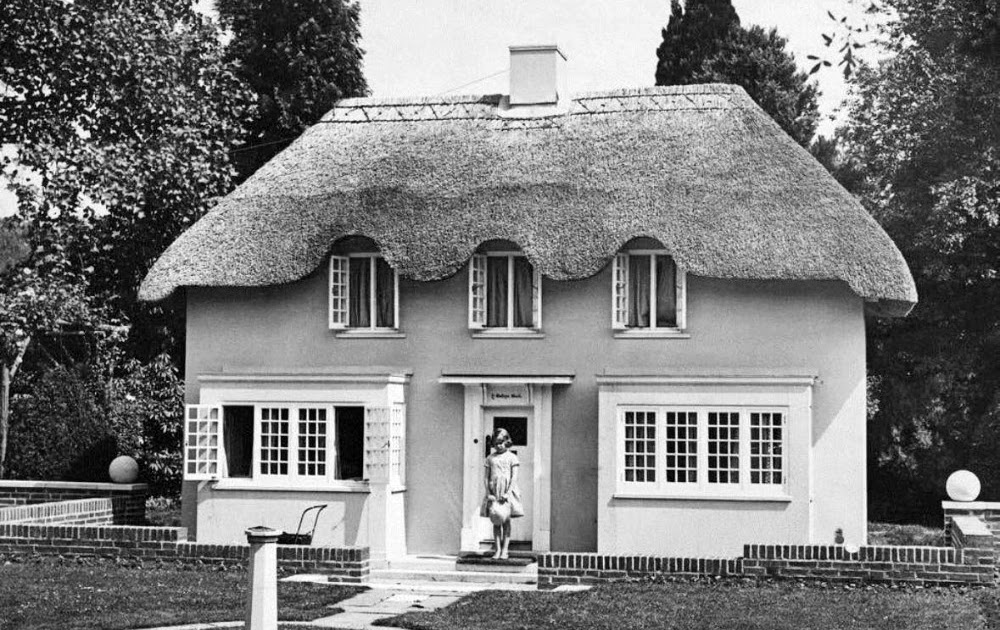 The Story of Y Bwthyn Bach, Queen Elizabeth II’s Childhood Cottage in Windsor Great Park