
 SPCA rescues exhausted hadeda trapped by discarded fishing line in Midrand
KillBait - News highlights delivered clearly and responsibly—no clickbait, no sensationalism

Photo: IOL
2026-07-25 05:35 Environment 10


Science and Monitoring Safeguard Wildlife in Northeast China National Park
The Northeast China Tiger and Leopard National Park, established as a pilot project in 2017, employs science-based methods to protect wildlife.Researchers like Zhao Yan use infrared cameras and field patrols to monitor tiger and leopard populations, while local ecological rangers and villagers collaborate in conservation efforts.
The park's integrated monitoring system combines digital technology for round-the-clock tracking of wildlife movements, aiding in understanding population density and ecological impacts.Patrols now focus on maintaining cameras and collecting biological samples, reflecting improved conservation awareness.
The initiative highlights the importance of protecting ecosystems, with efforts also extending to educating communities and ensuring the survival of species like sika deer and sables.
This approach underscores the balance between scientific research and on-the-ground conservation, emphasizing the park's role in preserving biodiversity.
2187
Original title: National park in North-east China protects wildlife through science
The AI system has determined that this news is not clickbait/sensationalist: : The original title is factual and directly references the park's scientific approach to wildlife protection, without sensationalist language or exaggerated claims. This has coincided with the opinion of the majority of users.
You may also be interested in...
SPCA rescues exhausted hadeda trapped by discarded fishing line in Midrand
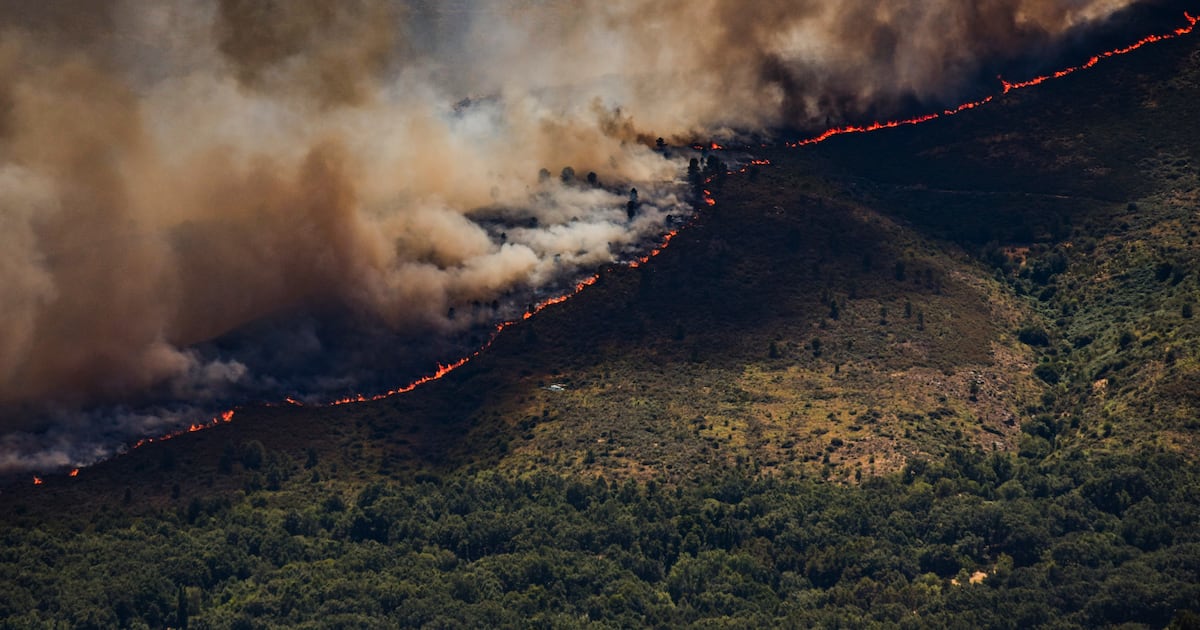 Wildfires ravage France and Spain, displacing over 90,000 people as EU aid mobilized
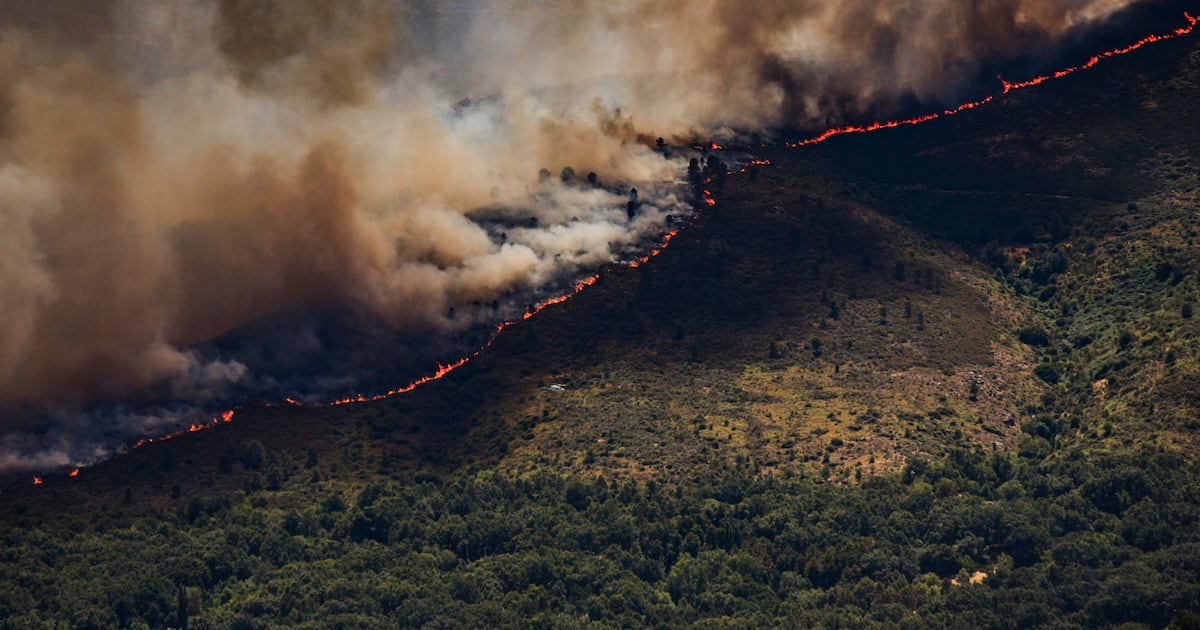 Wildfires trigger large-scale evacuations in France and Spain amid climate crisis