
 Historic Venus Mission Reveals First Surface Transmission from Another Planet
KillBait - News highlights delivered clearly and responsibly—no clickbait, no sensationalism
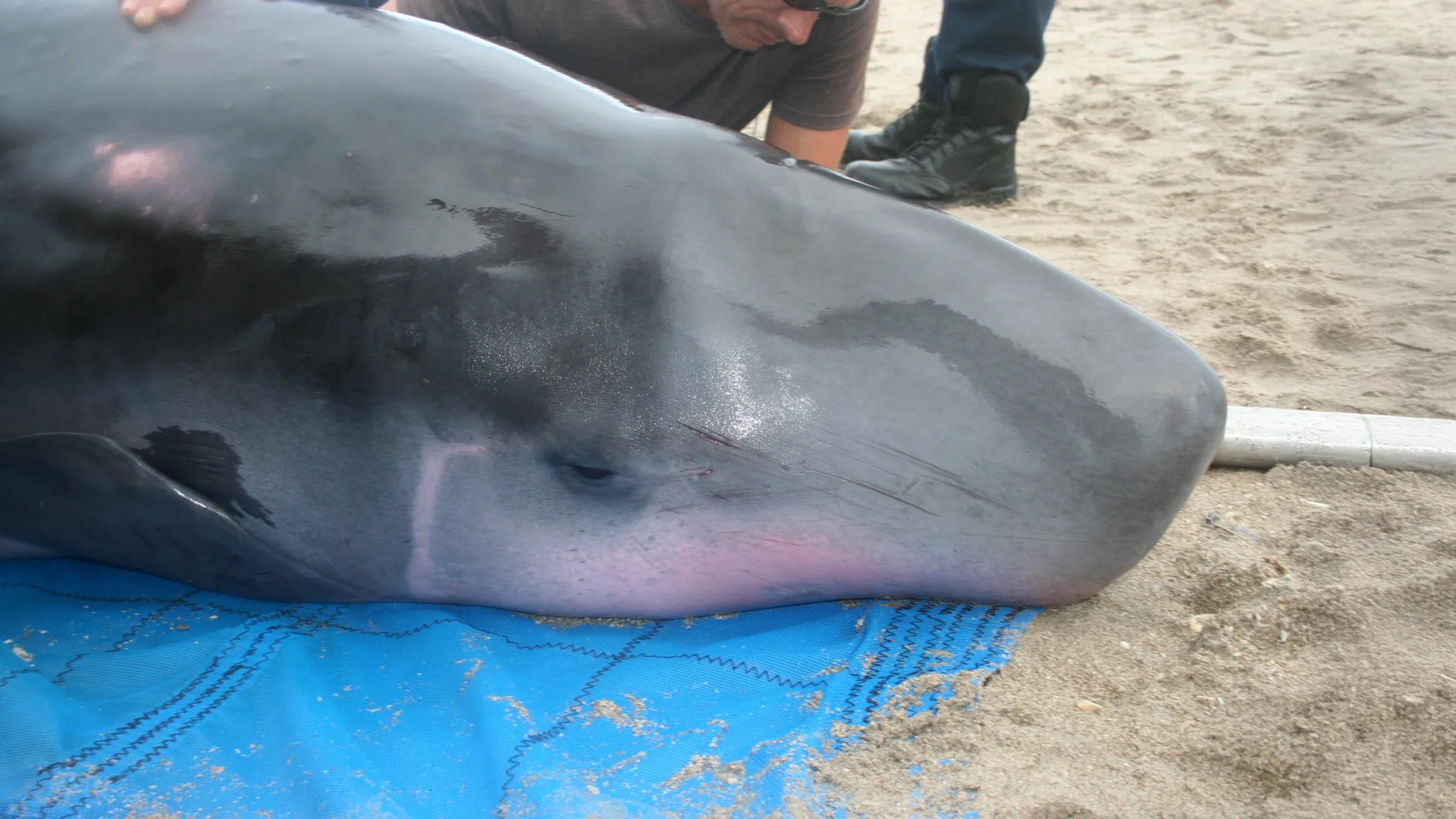
Photo: ScienceDaily
2026-07-21 16:57 Science 10


Scientists Discover New Bacterial Genotypes in Pygmy Sperm Whales Linked to Digestive Issues
Researchers at Florida Atlantic University's Harbor Branch Oceanographic Institute identified three previously unknown Helicobacter bacterial genotypes in pygmy sperm whales (Kogia breviceps) through analysis of stranded animal samples.
The study, published in the Journal of Wildlife Diseases, revealed that these bacteria caused significant digestive damage including inflammation, ulcers, scarring, and parasite infestations in four infected whales.While the bacteria were not confirmed as the direct cause of death, their presence raises concerns about potential impacts on marine wildlife health.The discovery highlights the challenges of studying elusive deep-diving whales, as most knowledge comes from stranded specimens.
Two of the bacterial genotypes showed genetic similarities to known species in dolphins and humans, while the third represented a more divergent lineage.The findings underscore the possibility of numerous undiscovered marine bacteria and their potential role in ocean ecosystem health.This research emphasizes the value of long-term stranding response programs in uncovering critical biological insights about marine mammals.
2186
Original title: Scientists found mystery bacteria inside one of the ocean’s most elusive whales
The AI system has determined that this news is clickbait/sensationalist: : The original title uses sensationalist language like 'mystery bacteria' and 'elusive whales' to attract attention, while the actual study focuses on scientific discovery rather than dramatic claims. This has coincided with the opinion of the majority of users.
You may also be interested in...
Historic Venus Mission Reveals First Surface Transmission from Another Planet
 Modern Life's Impact on Mental Health: An Evolutionary Mismatch
 Young Sauropods Could Stand Upright, Study Suggests