KillBait - News highlights delivered clearly and responsibly—no clickbait, no sensationalism
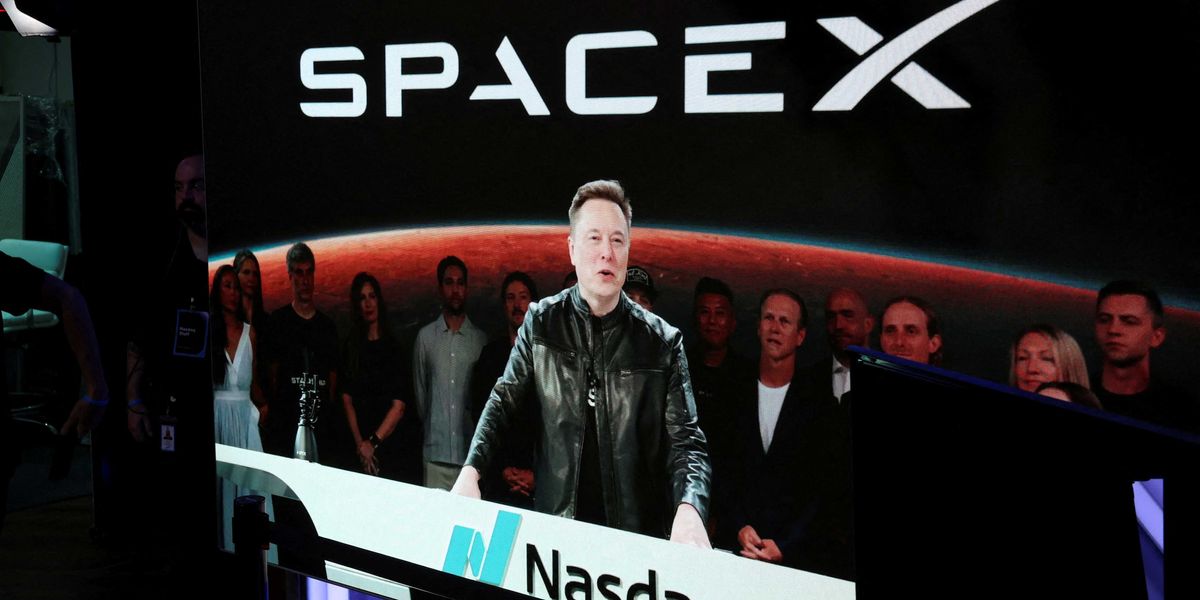
Photo: Raw Story - Celebrating 20 Years of Independent Journalism
2026-07-02 20:30 Astronomy 12 


Scientists warn that massive satellite constellations could threaten astronomical observations and dark skies
European astronomers and space researchers have raised serious concerns about proposed large-scale satellite deployment plans led by companies associated with Elon Musk and other private space ventures.
According to a recent study by the European Southern Observatory (ESO), the rapid expansion of satellite constellations in Earth’s orbit could severely impact optical astronomy and the natural night sky.
SpaceX’s Starlink network already includes more than 14,000 satellites, and future proposals could increase that number dramatically, potentially reaching over one million additional satellites.
Scientists warn that there may be a practical limit of around 100,000 satellites that remain faint enough to avoid interfering with ground-based observations.
Beyond this threshold, the accumulation of bright objects in orbit could significantly disrupt the ability of telescopes to capture clear images of distant galaxies, exoplanets, and potentially hazardous asteroids.
The report also highlights concerns from other private initiatives, including proposals for reflective satellite systems designed to provide nighttime illumination, which could appear as bright as Venus or even brighter under certain conditions.Astronomers argue that such satellites create streaks and distortions in long-exposure images, effectively obscuring scientific data.
Beyond astronomy, researchers also warn of broader environmental and ecological effects, including increased light pollution that could disrupt human circadian rhythms and wildlife behavior.Additionally, repeated rocket launches and satellite re-entries may contribute to atmospheric pollution.The FCC is currently reviewing applications for these large-scale satellite projects, and has received thousands of public comments.
Scientists stress that regulatory decisions in the coming years will be crucial in determining whether space remains usable for both scientific research and preservation of the natural night sky.
Full reading at Raw Story - Celebrating 20 Years of Independent Journalism

2224
Original title: Astronomers sound the alarm over Elon Musk's satellite plan: 'Damaging consequences'
The AI system has determined that this news is not clickbait/sensationalist: : The headline uses dramatic language like 'sound the alarm' and 'damaging consequences,' but it accurately reflects concerns expressed by scientists and does not exaggerate beyond the substance of the article. This has coincided with the opinion of the majority of users.
You may also be interested in...
 China's Low-Cost START Mission Joins International Efforts to Study Asteroid Apophis During Its 2029 Earth Flyby
 Meta Introduces Paid Subscription Plan for Advanced Smart Glasses Features