
 Attorney-General approvals for war crimes and terrorism cases draw attention over processing times
KillBait - News highlights delivered clearly and responsibly—no clickbait, no sensationalism
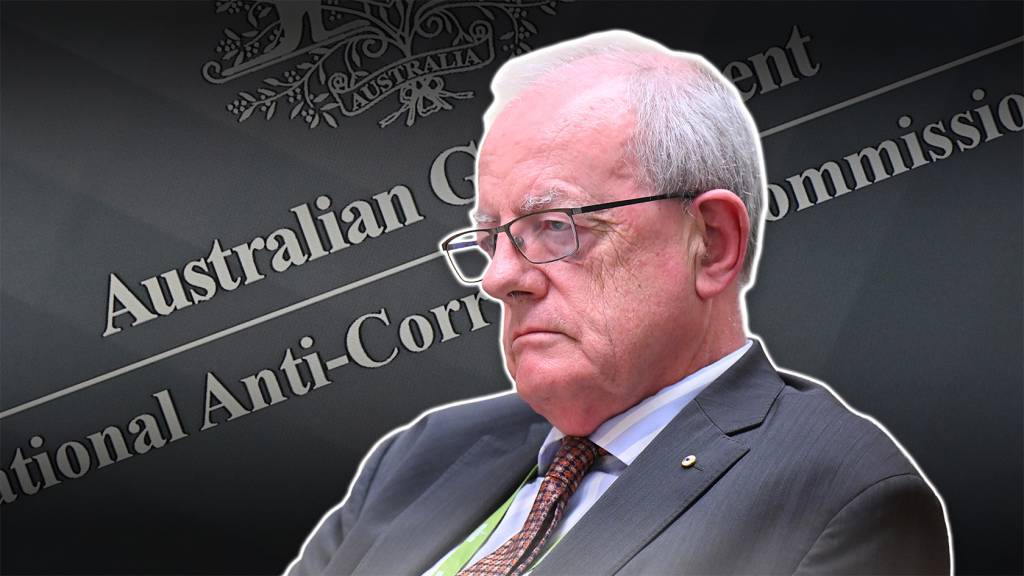
Photo: Crikey
2026-05-28 11:42 Justice 10 


Scrutiny intensifies over NACC leadership and Defence-linked investigations following Paul Brereton’s resignation
The inaugural commissioner of Australia’s National Anti-Corruption Commission (NACC), Paul Brereton, has unexpectedly resigned, prompting renewed scrutiny of the agency’s performance and internal culture.Established to investigate and expose corruption within the public sector, the NACC was intended to be a cornerstone of federal integrity oversight.
However, Brereton’s tenure, which lasted around three years of a five-year appointment, has been criticised for failing to deliver significant corruption findings and for presiding over an organisation facing questions about transparency and public trust.During his leadership, the commission grew into a substantial federal body with more than 200 staff and an annual budget exceeding $60 million.
Despite this scale, critics argue that its impact has been limited, with concerns raised about secrecy in decision-making processes and the handling of sensitive investigations.
Particular attention has been drawn to corruption-related inquiries connected to Defence, which have reportedly been left in a problematic or unresolved state, raising further concerns about institutional independence and accountability.Reports also highlight internal concerns about organisational culture, including allegations of integrity breaches and a lack of openness.These issues have contributed to perceptions that the NACC has struggled to meet its founding objectives.
Brereton’s abrupt departure has intensified debate about whether the problems lie with leadership, structural design, or broader constraints placed on the commission.The resignation leaves the NACC at a critical juncture, with stakeholders calling for reforms to restore confidence in its operations.
As Australia’s peak federal anti-corruption body, its effectiveness is now under closer public and political examination, particularly regarding its handling of high-profile and Defence-related matters.
2186
Original title: Inside the black box of the NACC under Brereton
The AI system has determined that this news is not clickbait/sensationalist: : The original title uses a metaphorical phrase ('Inside the black box') but remains relatively standard for investigative journalism and does not rely on exaggerated claims or sensational wording. It accurately reflects an analysis of internal operations rather than attempting to mislead or overhype the content. This has coincided with the opinion of the majority of users.
You may also be interested in...
Attorney-General approvals for war crimes and terrorism cases draw attention over processing times
 Authorities confirm ongoing pursuit of Belle Gibson’s $410,000 court penalty
 Sentencing of Molly's killer delayed amid mental health defence