
 Bauchi Governor Clarifies Political Plans, Affirms Senate Ambition with APM
KillBait - News highlights delivered clearly and responsibly—no clickbait, no sensationalism
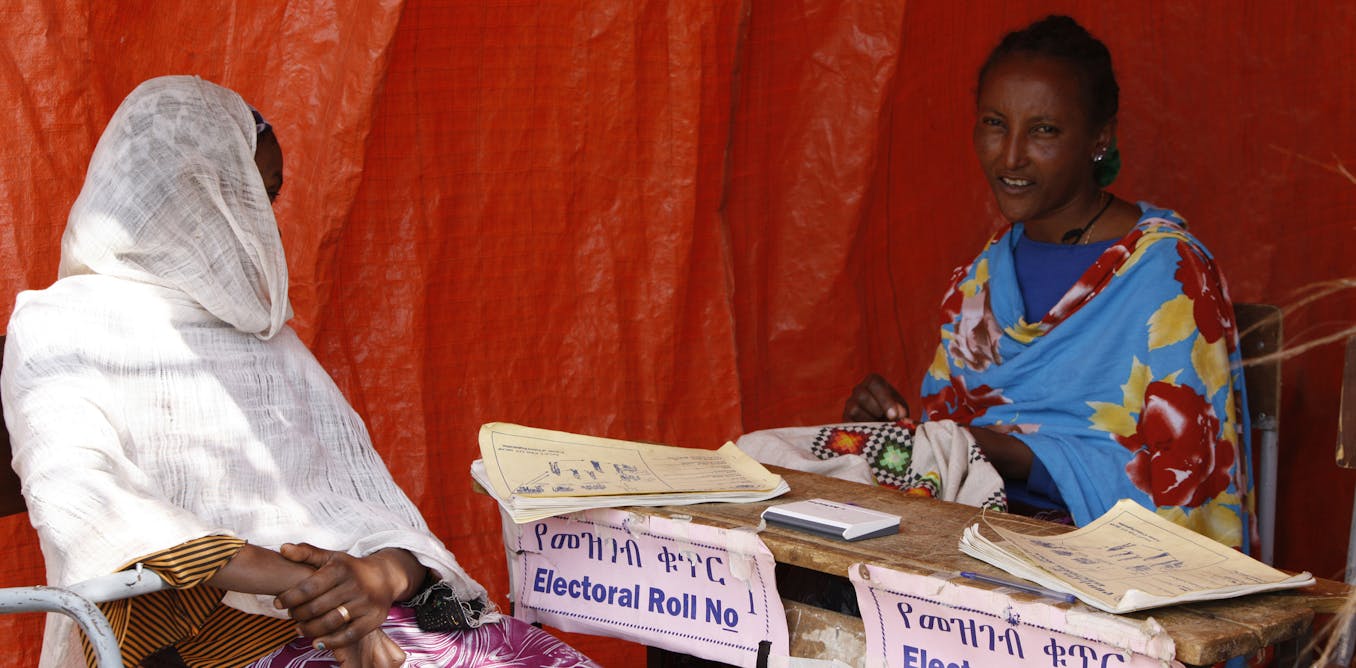
Photo: The Conversation
2026-05-27 17:40 Politics 24 


Security Crisis and Opposition Weakness Raise Concerns Over Ethiopia’s 2026 Elections
Ethiopia dey prepare for national election wey go happen on 1 June 2026, but many observers believe say the process no go truly competitive because of political division and serious insecurity across different regions of the country.
According to the article, free and fair elections need open political participation, freedom for voters and opposition parties to campaign without fear, but current conditions for Ethiopia no support that kind democratic environment.One major problem na the weakness and fragmentation of opposition parties.Many opposition groups dey divided along ethnic, ideological and regional lines, and dem never fit build strong national alliances.Some parties dey support stronger regional autonomy while others want more centralised government structure.Because of this disagreement and mistrust among leaders, opposition groups never fit unite against the ruling Prosperity Party.
The article also mention say some opposition leaders and civic actors don face arrests and political pressure in previous elections, especially during the 2021 polls.Another serious challenge na insecurity and armed conflict for regions like Amhara, Oromia and Tigray.
Fighting between federal forces and armed groups such as Fano militias and the Oromo Liberation Army don create instability, displacement and fear among citizens.Even though the 2022 Pretoria peace agreement officially ended the Tigray war, political tensions still remain high there.
The article explain say the ruling party dey run uncontested for 64 constituencies, while voting no go happen for Tigray and some parts of Oromia and Amhara because of security concerns.
The writer conclude say although the election still get administrative importance, it no likely provide genuine democratic competition or solve Ethiopia’s deeper political and security crisis.
Full reading at The Conversation
2371
Original title: Ethiopia's elections will not be politically competitive: two reasons why
The AI system has determined that this news is not clickbait/sensationalist: : The original title clearly reflects the main argument of the article and no use exaggerated or sensational language to attract attention unfairly. This has coincided with the opinion of the majority of users.
You may also be interested in...
Bauchi Governor Clarifies Political Plans, Affirms Senate Ambition with APM
 Gov. Nwifuru Appeals to Ebonyi Residents for Understanding and Support Ahead of 2027 Elections
 Labour Party nominates Jonathan Gaza as Nasarawa governorship candidate ahead of 2027 elections