
 FG upgrades Katsina Emergency Operations Centre to strengthen disease outbreak response
KillBait - News highlights delivered clearly and responsibly—no clickbait, no sensationalism
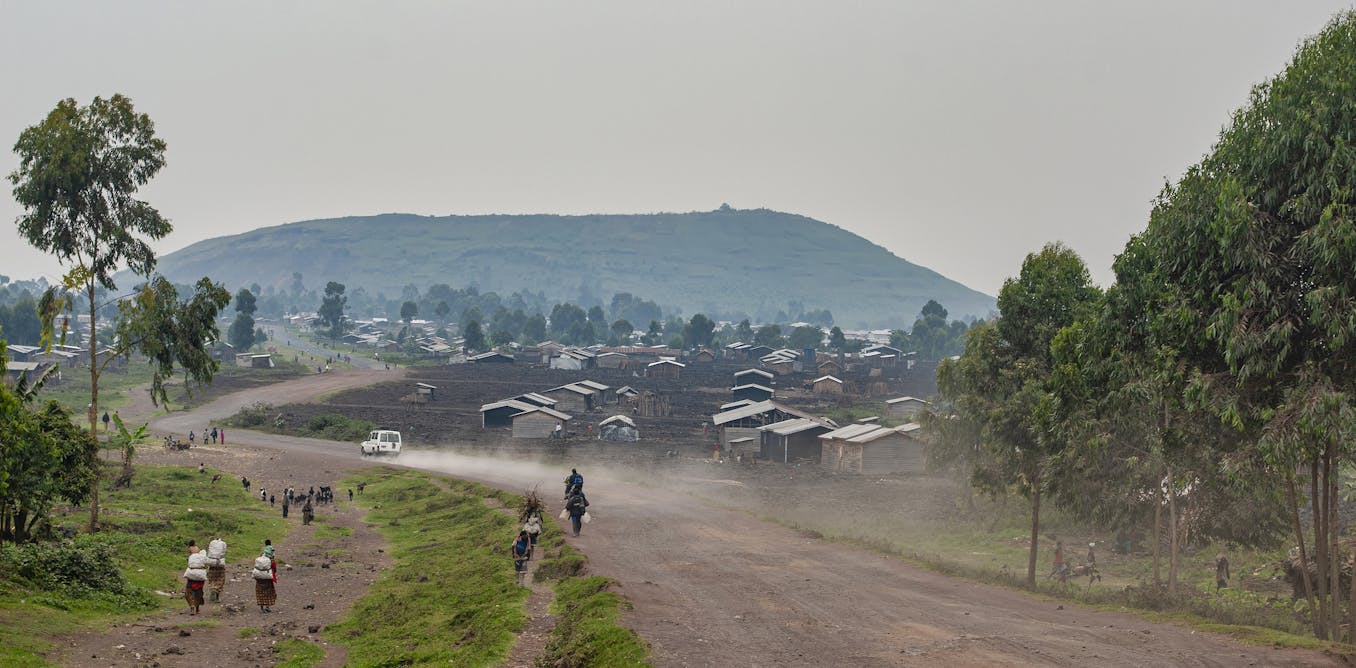
Photo: The Conversation
2026-05-23 20:50 Health 11 


Security problems, late diagnosis and funding shortages dey worsen Ebola outbreak for DR Congo
The latest Ebola outbreak for the Democratic Republic of Congo (DRC) don quickly become serious public health problem.On 17 May 2026, the World Health Organization declare am as Public Health Emergency of International Concern after cases and deaths rise sharply within only few days.
According to WHO figures mentioned for the report, the DRC record more than 500 cases and over 130 deaths by 19 May, while Uganda also confirm infections.The article explain say this outbreak fit become difficult to control because of four major reasons.The first problem na late detection of infected people.Ebola spread fast, and many infected persons no dey identified early enough.The outbreak start around Goma, an area affected by fighting between government forces and rebels.Because insecurity dey make movement and access difficult, health workers no fit quickly test and isolate patients.The second issue na misdiagnosis.Early Ebola symptoms resemble malaria, typhoid and other fever-related illnesses.
The current outbreak involve the Bundibugyo strain of Ebola virus, which no get as much research, vaccines or treatment options like the Zaire strain.The article also highlight cultural burial practices as another challenge.For many communities, ritual burials involve touching and preparing dead bodies, which fit increase Ebola transmission.Similar practices caused many infections during the 2013-2016 West Africa Ebola outbreak.Finally, shortage of global health funding dey affect response efforts.Cuts to international aid and the closure of many USAID-supported projects don reduce available resources, experts and logistics support.
The article conclude say the DRC need urgent multinational cooperation, stronger surveillance, community education and strict public health measures to reduce the spread of the disease.
Full reading at The Conversation
2206
Original title: Ebola outbreak in the DRC: four reasons it will be hard to contain
The AI system has determined that this news is not clickbait/sensationalist: : The original title clearly describe the topic of the article and the main argument without exaggeration or misleading language. E no use sensational or emotional wording to deceive readers. This has coincided with the opinion of the majority of users.
You may also be interested in...
FG upgrades Katsina Emergency Operations Centre to strengthen disease outbreak response
 Nigeria moves to tighten border health measures amid renewed Ebola outbreak concerns in DR Congo
 US Provides Additional $80 Million Aid To Support Ebola Response In DR Congo And Uganda