
 South African Furniture Industry Shows Signs of Stabilisation Amid Recovery Efforts
KillBait - News highlights delivered clearly and responsibly—no clickbait, no sensationalism
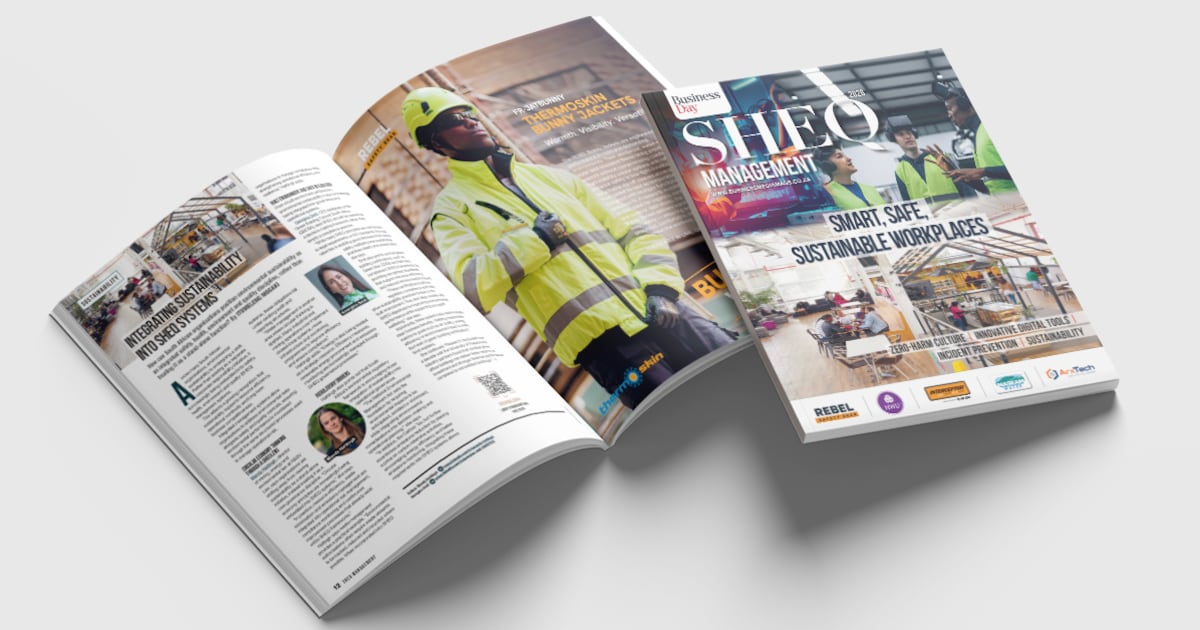
Photo: TimesLIVE
2026-06-01 10:56 Business 10 


Shifting SHEQ from compliance to strategic leadership in modern workplaces
The article introduces the inaugural edition of SHEQ Management, focusing on the evolving role of Safety, Health, Environment and Quality (SHEQ) in modern industrial environments.
It argues that SHEQ should no longer be treated as a procedural checklist aimed at meeting regulatory requirements, but rather as a strategic foundation for building resilient and high-performing organisations.
In today’s rapidly changing industrial landscape, businesses face increasing complexity driven by technological disruption, changing workforce expectations, and heightened environmental responsibilities.
Against this backdrop, SHEQ is positioned as a core business imperative that must be integrated into organisational strategy rather than operating as an isolated compliance function.A key theme in the article is leadership accountability.It stresses that genuine safety culture begins at executive level, where leaders must actively champion a ‘zero-harm’ approach.
This involves ensuring that safety values are embedded throughout the organisation, from boardroom decisions to frontline operations, rather than relying solely on enforcement mechanisms or rules.
The article also highlights the importance of human-centric workplace practices, emphasising psychological safety, mental health, stress management and overall wellbeing as critical contributors to operational performance and accident prevention.
In addition, it explores the role of digital transformation in SHEQ management, including the use of smart compliance tools that replace outdated paper-based systems with real-time monitoring and data-driven insights.
Another major focus is the shift from reactive incident management to predictive safety strategies, where analytics are used to identify risks and prevent failures before they occur.
Finally, the article addresses environmental responsibility, arguing that sustainability is now a non-negotiable element of SHEQ frameworks, requiring organisations to consider their broader ecological impact alongside workplace safety.Overall, the publication positions SHEQ as an evolving discipline that supports innovation, sustainability and long-term business value.
2186
Original title: FREE TO READ | Moving beyond the checklist
The AI system has determined that this news is not clickbait/sensationalist: : The title is factual and descriptive, clearly indicating the theme of moving beyond checklist-based compliance in SHEQ management, without sensational language or emotional manipulation. This has coincided with the opinion of the majority of users.
You may also be interested in...
South African Furniture Industry Shows Signs of Stabilisation Amid Recovery Efforts
 Lewis Group implements turnaround strategy for underperforming UFO furniture division
 Ousted BP chair faces governance dispute following internal clashes over deal communications