
 Collection of 35 Mid-Century American Beach Travel Posters Showcasing Coastal Tourism Destinations
KillBait - News highlights delivered clearly and responsibly—no clickbait, no sensationalism
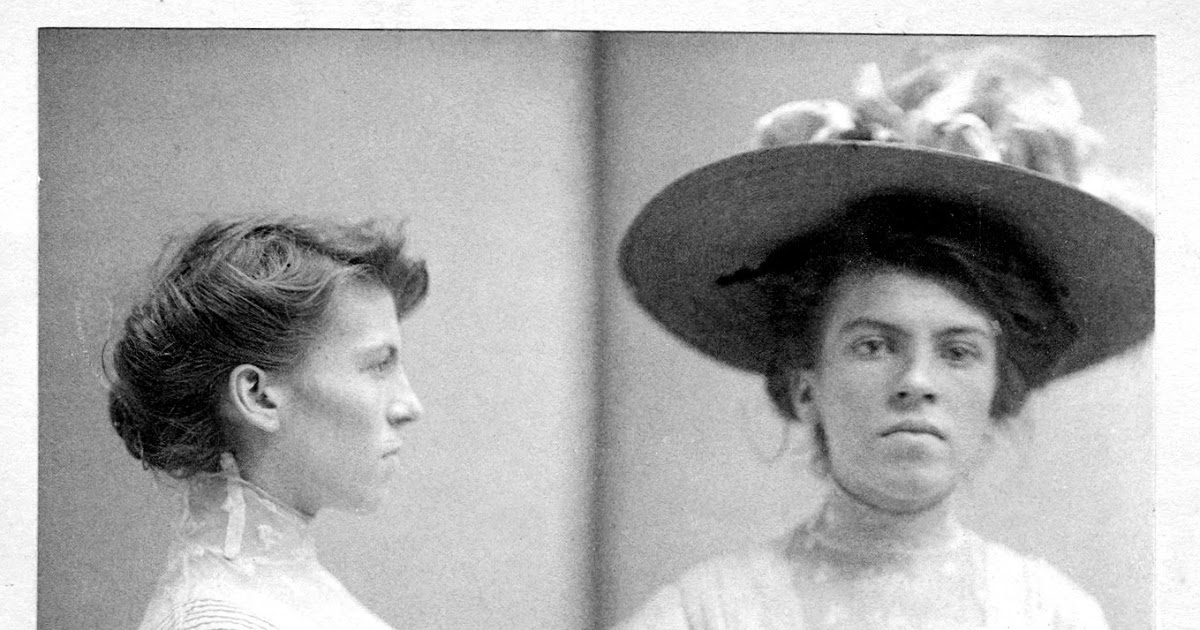
Photo: vintag.es
2026-06-18 01:49 History 12 


Socioeconomic Factors Behind Female Criminality in Early 20th-Century New York City
This article examines the realities of female criminality in New York City during the early twentieth century, challenging the sensationalized portrayals commonly found in newspapers of the era.
While popular media often focused on dramatic stories of glamorous swindlers, madams, and confidence women, historical records indicate that most women who entered the criminal justice system were poor, immigrant, or Black women facing severe economic hardship and limited opportunities.
According to historical data referenced in the article, many offenses committed by women were linked to survival rather than organized criminal activity.
Common charges included shoplifting, pickpocketing, and petty larceny, crimes frequently associated with poverty and exclusion from stable employment.Women involved in prostitution or brothel management faced prosecution under laws targeting so-called disorderly houses.
The article also discusses the 'badger game,' an extortion scheme in which a woman lured a wealthy man into a compromising situation before an accomplice demanded money to avoid public exposure.
Additionally, because abortion was illegal at the time, midwives and other women who provided reproductive services often faced serious criminal charges.
During the Prohibition era of the 1920s, some women became involved in illegal alcohol distribution, operating speakeasies, smuggling liquor, or managing underground gambling activities.
The article is accompanied by a collection of historical mugshots featuring women arrested for offenses such as swindling, extortion-related schemes, malicious mischief, maintaining a disorderly house, grand larceny, and other crimes.
These photographs provide a visual record of the diverse circumstances that brought women into contact with the criminal justice system in early twentieth-century New York.
2224
Original title: Women and Crime in Early 20th Century New York City
The AI system has determined that this news is not clickbait/sensationalist: : The original title is descriptive and accurately reflects the article's content. It does not use exaggerated language, emotional triggers, or misleading claims to attract clicks. This has coincided with the opinion of the majority of users.
You may also be interested in...
Collection of 35 Mid-Century American Beach Travel Posters Showcasing Coastal Tourism Destinations
 A Collection of 30 Early 20th-Century Alcohol Advertising Posters Designed by Leonetto Cappiello
 Nazi Racial Classification Practices and Anthropometric Measurements in Germany, 1941