
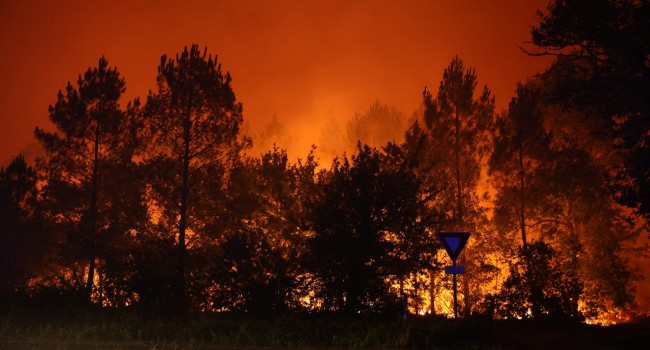
 Wildfires Ravage Southern Europe, Displace Thousands Amid Climate Crisis
KillBait - News highlights delivered clearly and responsibly—no clickbait, no sensationalism
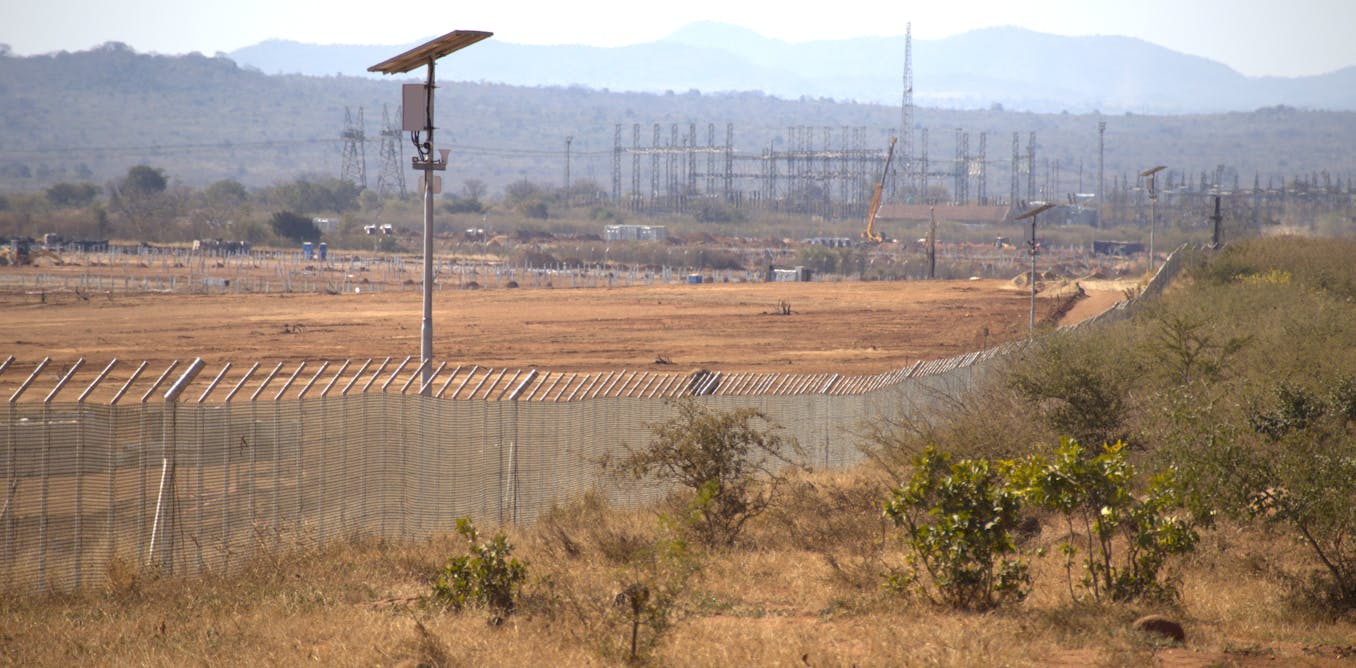
Photo: The Conversation
2026-07-24 04:11 Environment 10


Solar Farm in Limpopo Boosts Rural Communities' Economy and Green Energy Transition
A solar farm in Limpopo, South Africa, is showing how renewable energy projects can support rural communities while avoiding land disputes.The 347-hectare Bolobedu solar farm, built on land under customary tenure, created jobs and brought economic opportunities to nearby villages.However, challenges remain, like delayed payments to communities and lack of transparency in trust funds.The project required approval from both traditional leaders and government authorities, with public meetings held to discuss the plan.While some residents felt the process was fair, others expressed concerns about being left out of benefits.The study recommends more transparent agreements, involving women in decisions, and skills training for locals to ensure equitable outcomes.
The project highlights the potential of green energy to uplift rural areas but underscores the need for inclusive policies to prevent land grabbing and ensure communities benefit fairly.
Full reading at The Conversation
2189
Original title: How can rural communities benefit from South Africa's green energy transition? A solar farm in Limpopo offers clues
The AI system has determined that this news is not clickbait/sensationalist: : The original title is a straightforward question about benefits, not sensationalist or clickbait. This has coincided with the opinion of the majority of users.
You may also be interested in...
Wildfires Ravage Southern Europe, Displace Thousands Amid Climate Crisis
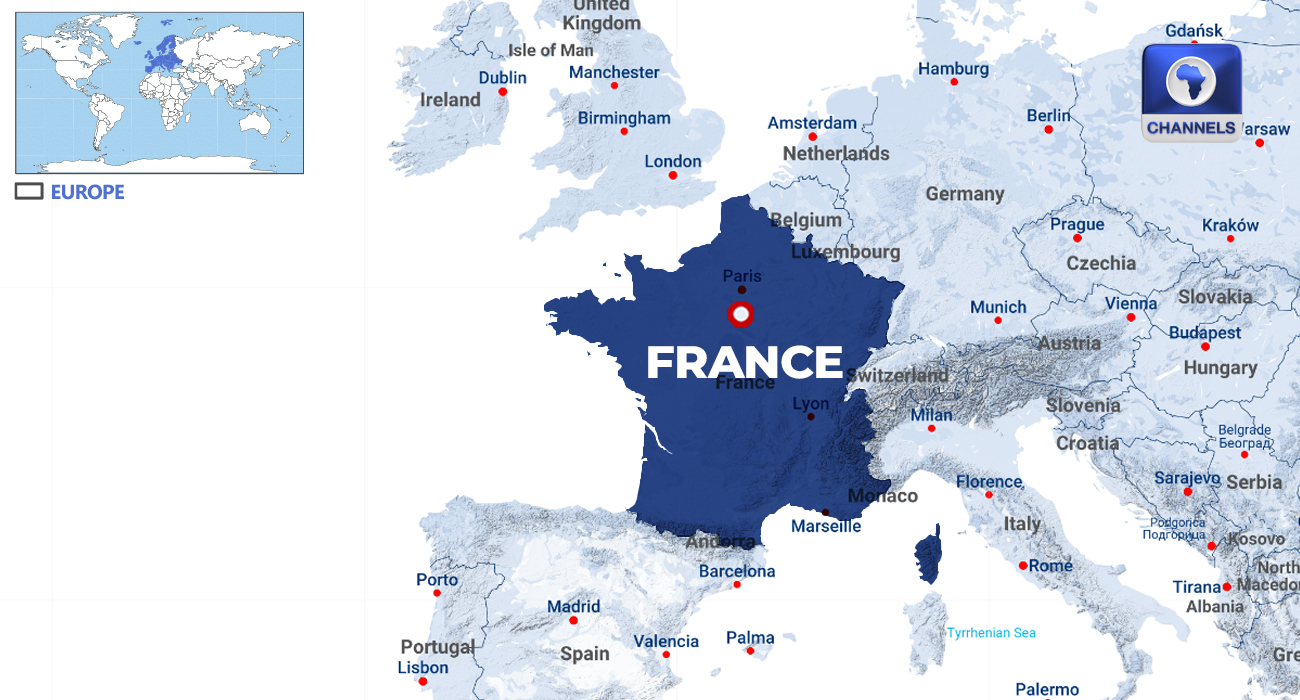 Wildfire forces evacuation of 400 people in southern France
 Tragedy as flood takes two brothers in Katsina; community calls for improved drainage