
 Science and Monitoring Safeguard Wildlife in Northeast China National Park
KillBait - News highlights delivered clearly and responsibly—no clickbait, no sensationalism

Photo: IOL
2026-07-25 08:51 Environment 10


South Africa's Water Crisis: Impacts on Economy and Food Security
The article discusses the escalating water crisis in South Africa, emphasizing that it is not merely a scarcity issue but a multifaceted 'polycrisis' affecting agriculture, food security, and economic stability.
Deshni Pillay, head of the Nature, Climate and Energy portfolio at UNDP South Africa, explains that water bankruptcy manifests through rising food prices, shrinking harvests, and closed factories before taps run dry.She warns that small deficits in water management accumulate silently, leading to systemic failures.The crisis is linked to climate change, infrastructure decay, ecological degradation, and poor governance.Solutions include restoring natural ecosystems, investing in climate resilience, and community-driven approaches.
Pillay stresses the need for sustainable water management to secure both food and water resources, highlighting that the crisis requires collective action from policymakers, businesses, and citizens.
2186
Original title: What South Africans need to know about water bankruptcy
The AI system has determined that this news is clickbait/sensationalist: : The original title uses 'bankruptcy' as a metaphor to highlight the severity of the water crisis, which is attention-grabbing and sensationalist. This has coincided with the opinion of the majority of users.
You may also be interested in...
Science and Monitoring Safeguard Wildlife in Northeast China National Park
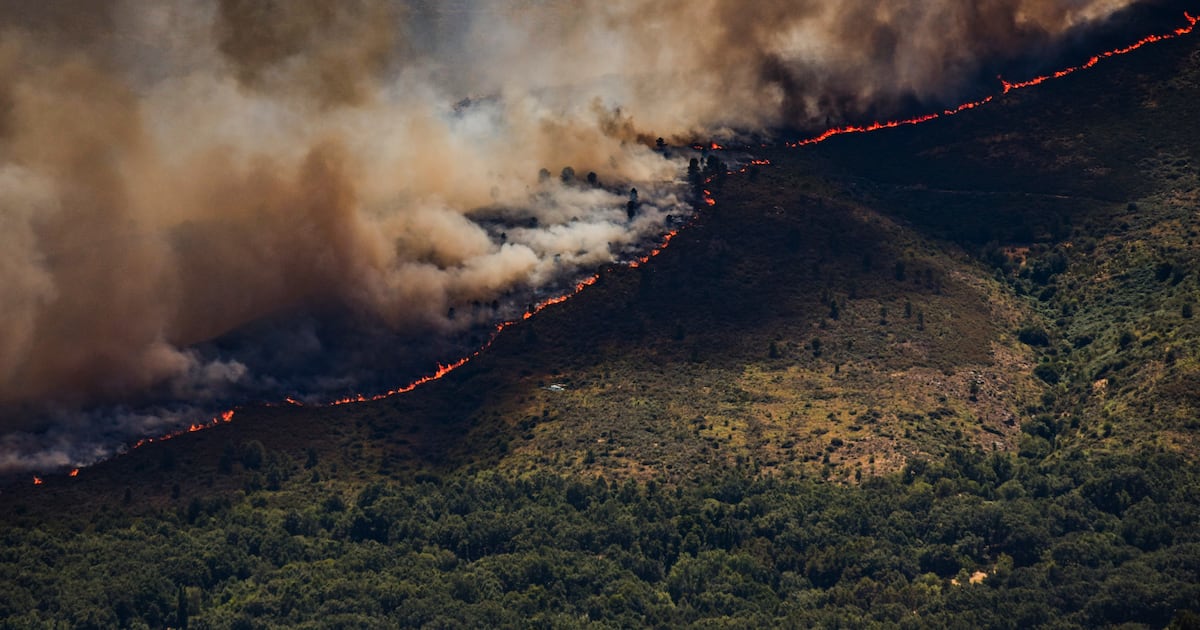 Wildfires ravage France and Spain, displacing over 90,000 people as EU aid mobilized
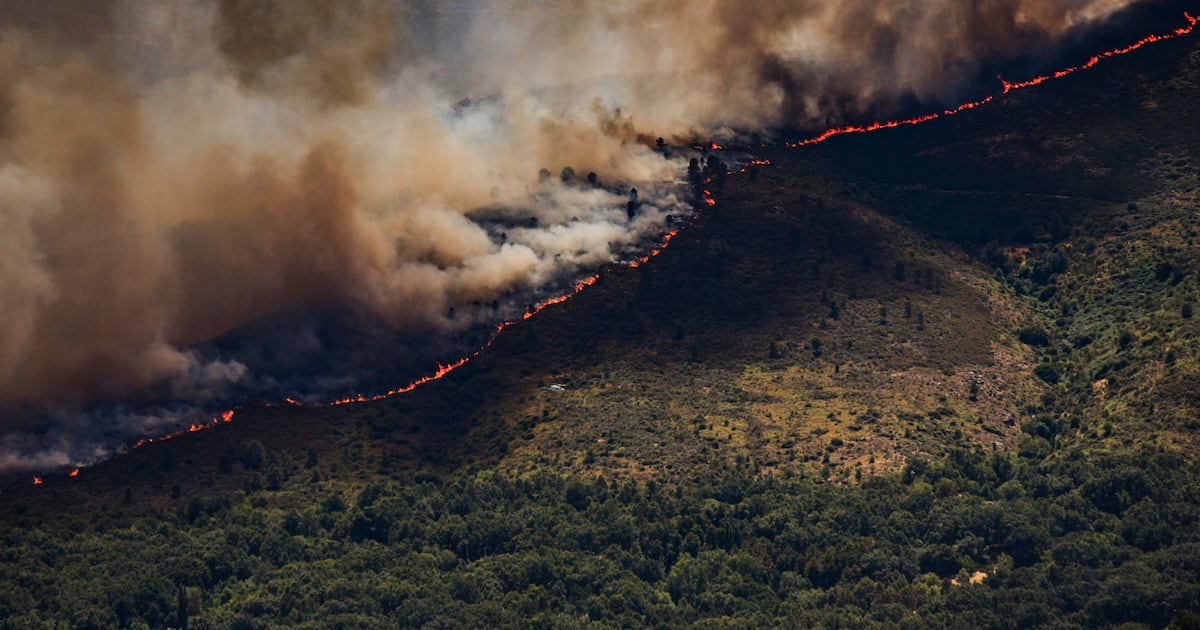 Wildfires trigger large-scale evacuations in France and Spain amid climate crisis