
 Understanding Xenophobia in South Africa: Causes, Impact, and Political Exploitation
KillBait - News highlights delivered clearly and responsibly—no clickbait, no sensationalism
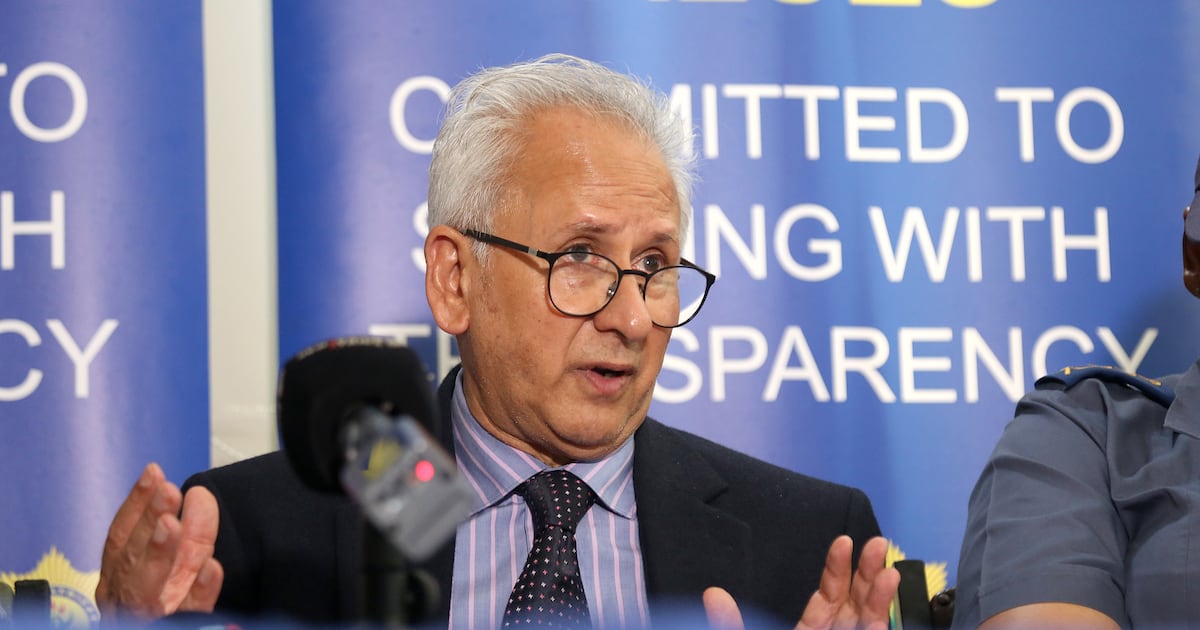
Photo: Sowetan
2026-05-22 21:04 Society 10 


South Africa sees decline in murders but violent crime remains high
South Africa has reported a decrease in its national murder rate, with 546 fewer lives lost in the first quarter of 2026 compared with the same period last year.Police Minister Firoz Cachalia highlighted that violent crimes, including armed robberies, housebreakings, and property theft, have also fallen.Despite these improvements, the country continues to experience high levels of violence, with an average of 58 murders per day during this quarter.
The majority of crime is concentrated in Gauteng, KwaZulu-Natal, Eastern Cape, and Western Cape, with the Eastern Cape showing the highest murder risk.Alarmingly, many violent incidents, including almost half of all reported rapes, occur in homes and involve individuals known to the victims.Alcohol abuse, domestic disputes, revenge attacks, and organised crime contribute significantly to the ongoing violence.
Government measures include a R127 billion police budget for 2026/27, focusing on police reforms, crime intelligence, digital firearm management, and gender-based violence programmes.Community involvement and a new national community patroller programme are also being prioritised.Cachalia emphasises that while there are signs of progress, South Africans still face an urgent need for safety and protection from violent crime.
2187
Original title: 546 fewer lives lost as murder rate drops, but SA still battling violent crime
The AI system has determined that this news is not clickbait/sensationalist: : The original title accurately reflects the main point of the article by reporting both the decrease in murder rate and the ongoing struggle with violent crime, without exaggeration or misleading phrasing. This has coincided with the opinion of the majority of users.
You may also be interested in...
Understanding Xenophobia in South Africa: Causes, Impact, and Political Exploitation
 Civil society protests in Pretoria urge Agriculture Minister to address food insecurity in South Africa
 Ghana organises voluntary evacuation of citizens from South Africa amid rising anti-migrant protests