
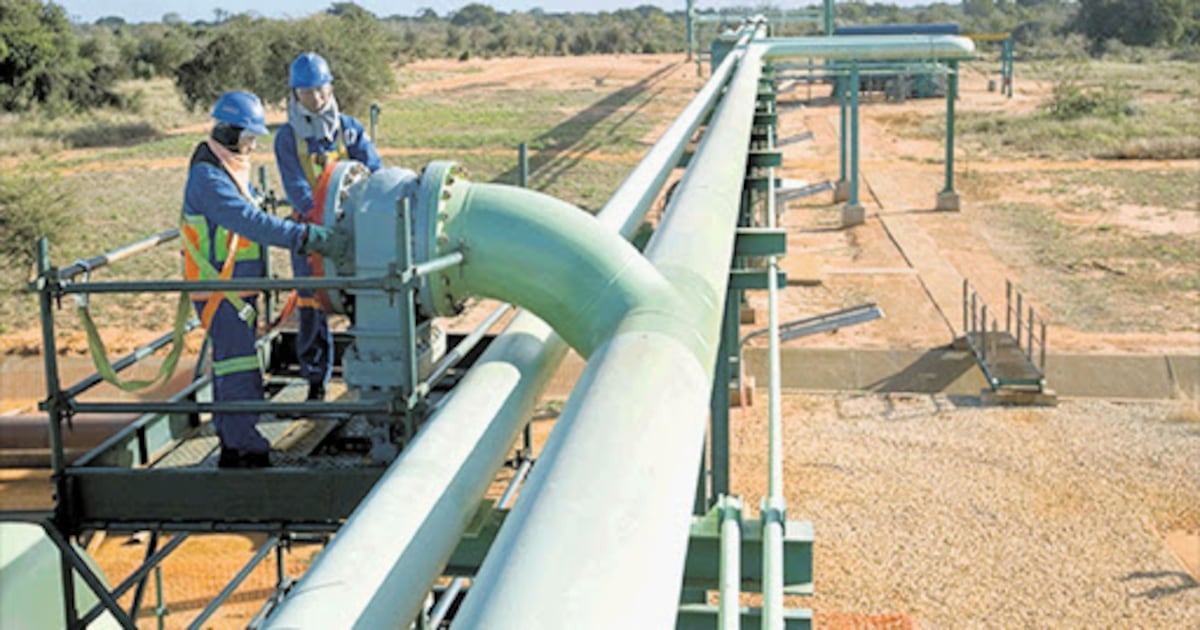
 South Africa Faces Economic Risks from Declining Mozambique Gas Supplies
KillBait - News highlights delivered clearly and responsibly—no clickbait, no sensationalism

Photo: allAfrica.com
2026-07-28 03:29 Economy 10


South African Salaries Rise, Yet Real Purchasing Power Dips Amid Inflation
The average salary in South Africa rose to R21,598 in June 2026, but real buying power has hit a two-year low due to rapid inflation.Despite nominal wage growth of 1.5% over six months, workers' purchasing power actually declined by 2.1% when adjusted for rising prices.Key drivers include surging utility costs (electricity, water, and rubbish collection) which increased 13.7% annually, outpacing overall inflation of 4.5%.Fuel prices also remain elevated, compounding financial strain on households.Economists warn that this trend threatens economic growth as consumers cut spending, reversing gains made over the previous two years.The data underscores a growing disparity between wage increases and living costs, leaving many South Africans struggling to afford basic necessities.
2186
Original title: Salaries Crept Up, but Buying Power Just Hit a Two-Year Low
The AI system has determined that this news is not clickbait/sensationalist: : The original title is factual and accurately reflects the article's content without sensationalist language. It clearly states the core issue of stagnant real purchasing power despite nominal salary increases. This has coincided with the opinion of the majority of users.
You may also be interested in...
South Africa Faces Economic Risks from Declining Mozambique Gas Supplies
 SA Reserve Bank announces interest rates decision amid inflation concerns
 South Africa's Decline in Mining Technology Amid Global Advancements