
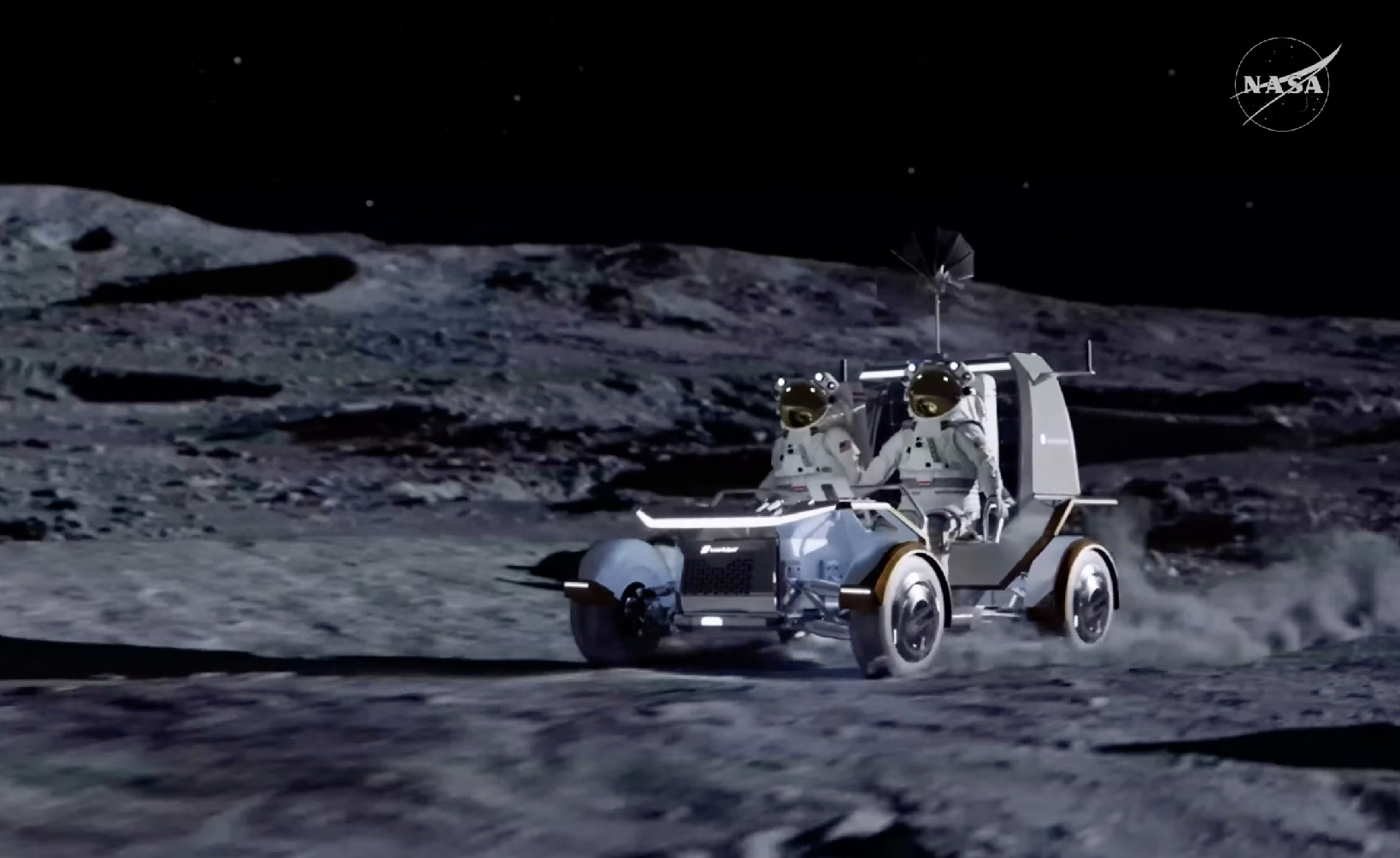
 NASA Details Early Missions and Phased Deployment Plan for Its Lunar Base Program
KillBait - News highlights delivered clearly and responsibly—no clickbait, no sensationalism
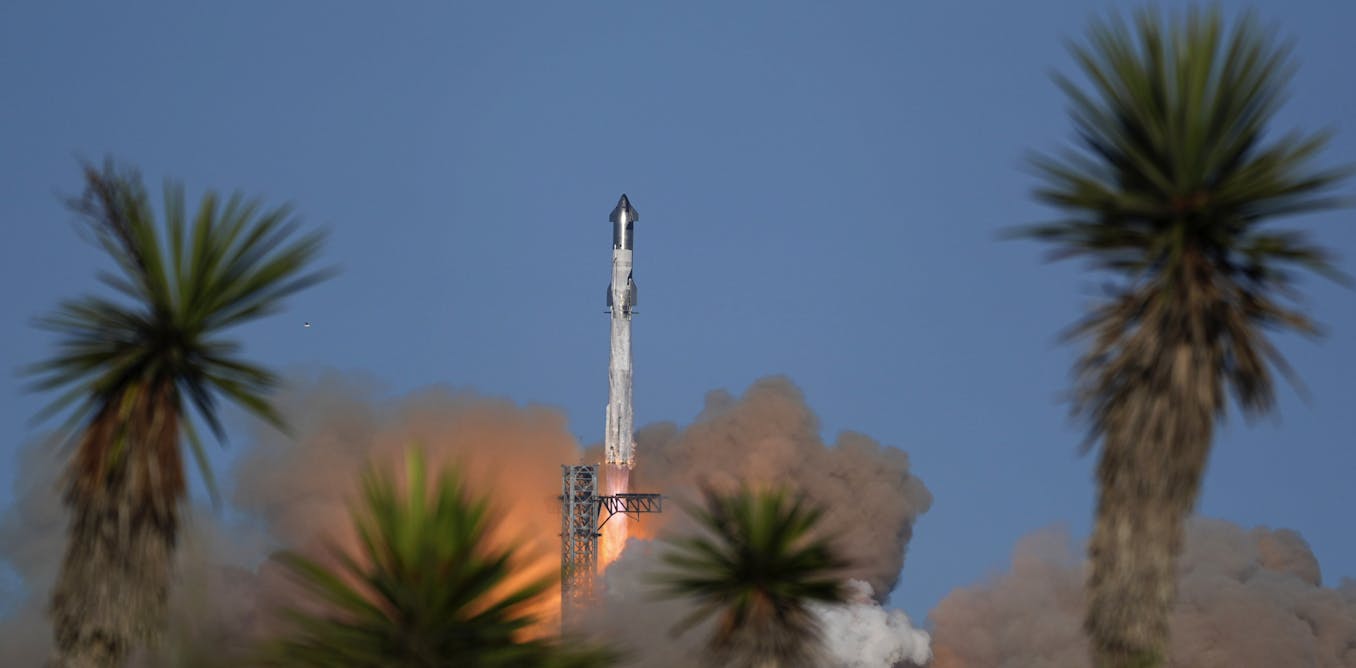
Photo: The Conversation
2026-05-22 07:16 Space 11 


SpaceX Plans Starship Test Launch and IPO Amid Environmental Concerns
SpaceX is moving forward with two significant developments: a scheduled initial public offering (IPO) on June 12, 2026, potentially the largest in history, and a test launch of the latest Starship rocket on May 21, 2026.Owned by Elon Musk and valued at over $1.5 trillion, the company faces scrutiny over environmental impacts associated with its space ambitions.
The Starbase facility in South Texas, where testing occurs, is situated in sensitive wetlands that provide habitats for birds and nesting sites for sea turtles.Environmental groups have protested, filed lawsuits, and noted local pollution issues.
Rocket launches, including SpaceX’s methane-powered Starship, produce greenhouse gases and can harm local ecosystems through noise, debris, and habitat disruption.
On the other hand, space exploration offers technological benefits that can support sustainability on Earth, such as water recycling, waste management, and agricultural innovations.Additionally, satellites and other space technologies help monitor environmental changes.Experiencing space firsthand may also inspire astronauts and future travelers to adopt stronger environmental practices.
The article highlights the tension between advancing human presence in space and preserving ecological health, suggesting that careful choices regarding launch sites, fuels, and debris management are crucial to balancing these priorities.
Full reading at The Conversation
2206
Original title: SpaceX is poised to go public and test the latest version of its massive Starship rocket amidst criticism about its environmental impact
The AI system has determined that this news is clickbait/sensationalist: : The original title uses dramatic phrasing like 'poised to go public' and 'amidst criticism' which sensationalizes events without providing substantive context, making it more click-oriented. This has coincided with the opinion of the majority of users.
You may also be interested in...
NASA Details Early Missions and Phased Deployment Plan for Its Lunar Base Program
 Senator Susan Collins Faces Criticism for Comments on Iraq War and Military Service
 Trump Faces Significant Drop in Approval Among Young Male Voters