
 SpaceX Secures $6.45 Billion in Space Force Contracts Prior to Planned IPO
KillBait - News highlights delivered clearly and responsibly—no clickbait, no sensationalism
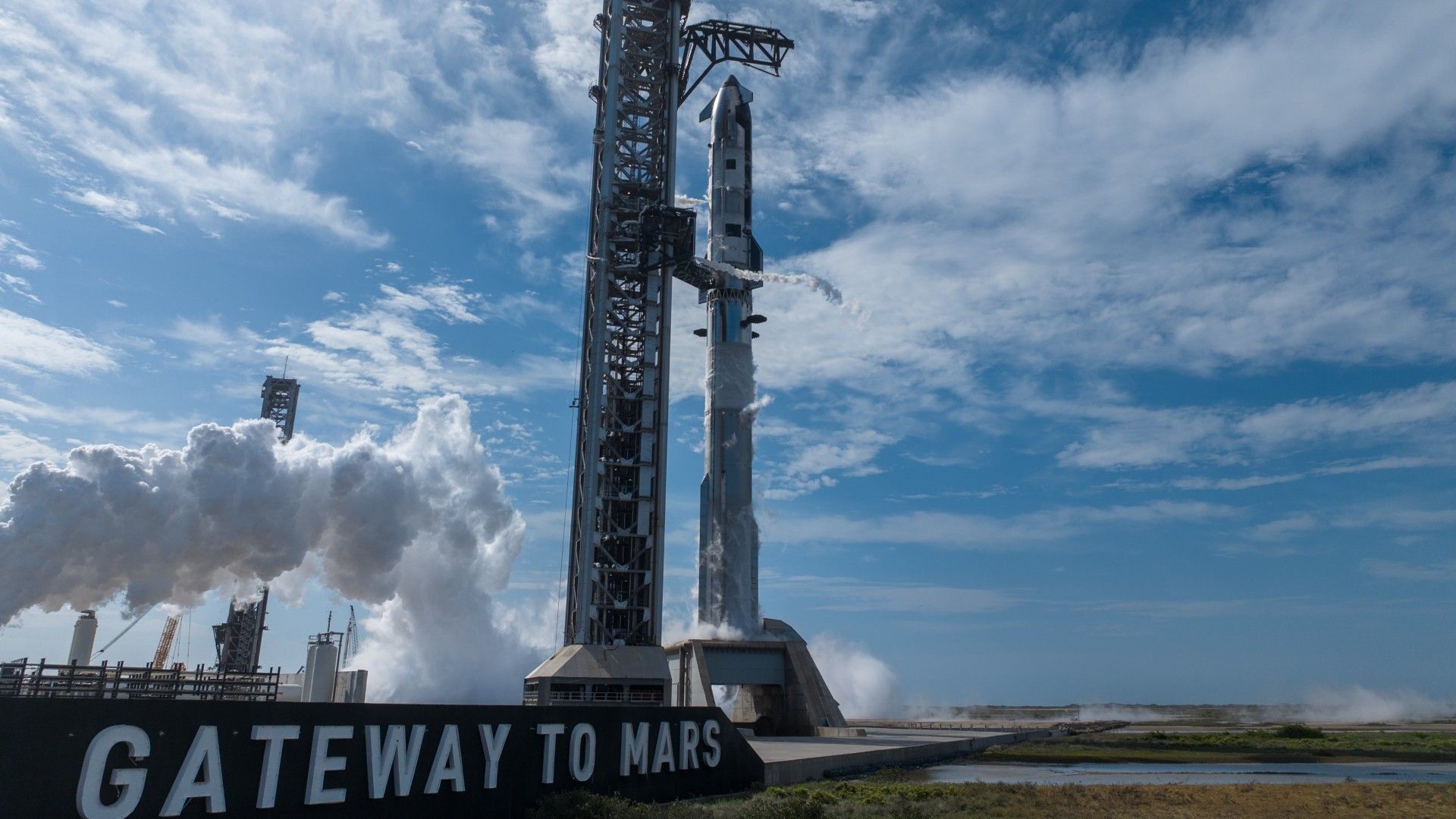
Photo: Space
2026-05-23 21:27 Technology 15 


SpaceX Successfully Conducts Starship V3 Flight 12 Test with Indian Ocean Splashdown
SpaceX achieved a significant milestone on May 22, 2026, with the successful launch of its next-generation Starship V3 vehicle on Flight 12 from Starbase, Texas.This marked the first test flight of the upgraded Starship design and the company's first Starship launch of 2026 after a seven-month hiatus.The fully stacked rocket lifted off from the new Pad 2 at 6:30 p.m.EDT despite one engine on the Super Heavy booster shutting down during ascent.
The upper stage, Ship 39, continued its suborbital trajectory after stage separation, reaching space successfully by burning its remaining engines longer to compensate.
During the coast phase, Ship 39 deployed 22 dummy Starlink satellites, including two specialized 'Dodger Dogs' equipped with cameras to image the vehicle's heat shield.The mission skipped a planned Raptor engine relight but proceeded smoothly otherwise.
The Ship then survived peak reentry heating with no visible heat shield burnthrough, performed a controlled bank and flip maneuver, and executed a landing burn using two of its three engines before making a planned fiery splashdown in the Indian Ocean.The booster performed a partial boostback but was not intended for recovery and impacted the Gulf of Mexico.
This test validated numerous V3 upgrades, including larger fuel tanks, improved propellant transfer systems, sleeker Raptor 3 engines, and faster payload deployment.NASA Chief Jared Isaacman attended the launch, underscoring Starship's critical role as the Artemis program lunar lander.
The mission lasted approximately one hour and demonstrated substantial progress toward rapid reusability and higher payload capacity for future missions, including crewed flights and Mars ambitions.
2272
Original title: SpaceX Starship Flight 12 live launch updates: Starship V3 to make 2nd launch attempt today
The AI system has determined that this news is not clickbait/sensationalist: : The original title is descriptive of the live updates format and accurately reflects the mission outcome without exaggeration or misleading claims, though 'fiery splashdown' adds some dramatic flair common in space journalism. This has coincided with the opinion of the majority of users.
You may also be interested in...
SpaceX Secures $6.45 Billion in Space Force Contracts Prior to Planned IPO
 University of Illinois Develops Scalable 3D Silicon Chip Technology for Higher Computing Density
 Ransomware Group Claims MyPillow Breach Amid Broader Cybersecurity and Surveillance Developments