
 SpaceX Completes Falcon 9 Mission Carrying 29 Starlink Satellites From Cape Canaveral
KillBait - News highlights delivered clearly and responsibly—no clickbait, no sensationalism
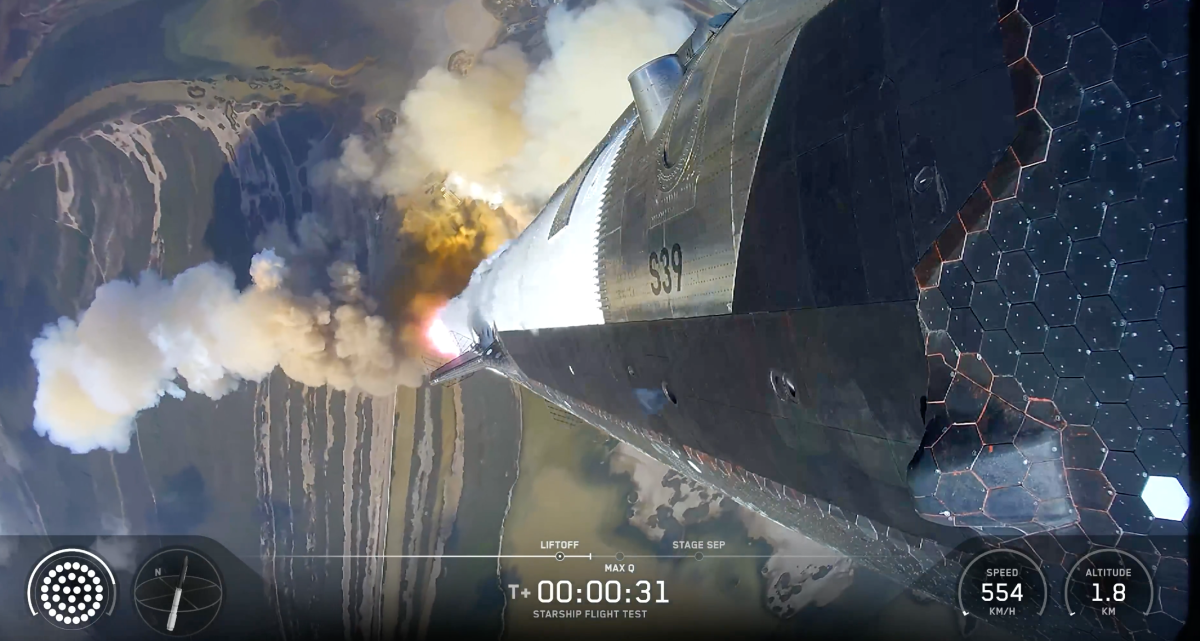
Photo: TechCrunch
2026-05-23 08:16 Astronomy 15 


SpaceX successfully tests Starship V3 despite booster failure during return
On May 22, 2026, SpaceX conducted the first test flight of its upgraded Starship V3 from its Starbase facility in Texas.The 407-foot rocket, the largest and most powerful built by SpaceX, lifted off at 5:30 p.m.local time.Shortly after launch, the Starship upper stage separated from the Super Heavy booster and continued its journey into space.However, the booster failed to reignite its engines for the return burn, causing it to tumble into the Gulf of Mexico and likely explode.
During ascent, Starship lost one of its six Raptor engines, yet it successfully deployed 20 Starlink satellite simulators and two modified Starlink satellites to record exterior footage.The Starship stage performed a simulated ocean landing in the Indian Ocean, tipping over and exploding as expected.
This test flight was significant for evaluating the new Starship V3 hardware, which includes third-generation Raptor engines designed for increased thrust and simpler operation, as well as a new launchpad system.
The test also coincides with SpaceX's public IPO filing, aiming to raise approximately $75 billion to fund further development, AI projects, and existing debts.
While not perfect, the flight marks a major milestone toward SpaceX's long-term goals of supporting NASA lunar missions, Mars exploration, and expanding the Starlink satellite network.
2274
Original title: SpaceX launches Starship V3 for the first time, but loses booster on return
The AI system has determined that this news is not clickbait/sensationalist: : The original title accurately summarizes the key event of the booster being lost while reporting on the Starship V3 launch, without exaggeration or misleading phrasing. This has coincided with the opinion of the majority of users.
You may also be interested in...
SpaceX Completes Falcon 9 Mission Carrying 29 Starlink Satellites From Cape Canaveral
 Starship V3 Flight 12 Demonstrates Progress Despite Multiple Raptor Engine Failures
 Fourth New Glenn Rocket Destroyed in Static Fire Test at Cape Canaveral