
 Suzana Magufuli, mother of late President, laid to rest in Chato
KillBait - News highlights delivered clearly and responsibly—no clickbait, no sensationalism
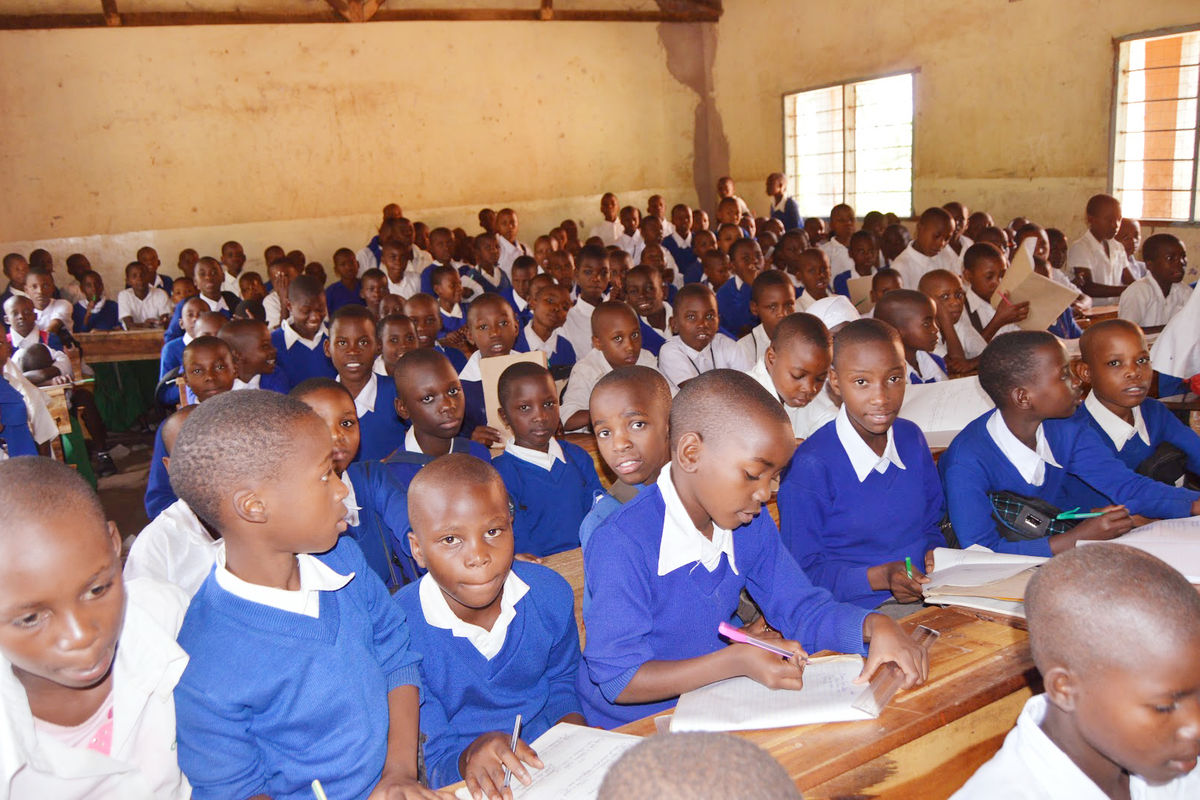
Photo: Tanzania Insight
2026-05-28 13:55 Society 10 


Stakeholders call for reforms to improve Tanzania’s public education system
Tanzania is currently facing serious challenges in its public education sector, with growing concern from experts, policymakers, and education stakeholders about widening gaps in access, quality, and learning outcomes.
The country’s education system is under pressure due to overcrowded classrooms, shortage of qualified teachers, and insufficient learning materials, especially in rural areas.
Many schools continue to operate with limited infrastructure such as classrooms, libraries, laboratories, and proper sanitation facilities, which negatively affects students’ learning experience.
Rural students are particularly disadvantaged as they often travel long distances to attend school, contributing to lower attendance rates compared to urban areas.A key issue highlighted is the shortage of trained teachers, especially in science, mathematics, and technical subjects.Low salaries and difficult working conditions in remote regions make it hard to attract and retain qualified educators.In addition, many teachers lack continuous professional development opportunities, which limits the quality of instruction delivered in classrooms.
The government has acknowledged these challenges and is considering increasing budget allocations to education, although financial constraints remain a major limitation.Another important concern is the digital divide between urban and rural schools, which limits the integration of technology in learning.While digital tools are seen as a potential solution to improve education quality, unequal access to internet and devices remains a barrier.
National examination results also show that many students are not reaching expected competency levels, prompting calls for curriculum reforms that focus more on practical skills, critical thinking, and problem-solving rather than memorization.
Stakeholders are also encouraging public-private partnerships and community involvement to support schools through resources, mentorship, and skills development programs.
International development partners have expressed readiness to assist Tanzania with funding and technical support, but experts emphasize that long-term solutions must be locally driven and sustainable.
Overall, the education sector requires coordinated reforms, increased investment, and stronger collaboration to ensure equal access to quality education for all children across the country.
Full reading at Tanzania Insight
2187
Original title: Tanzania Seeks Solutions to Bridge Public Education Gap
The AI system has determined that this news is not clickbait/sensationalist: : The title is descriptive and directly reflects the article’s focus on public education challenges and solutions in Tanzania without exaggerated or sensational language. This has coincided with the opinion of the majority of users.
You may also be interested in...
Suzana Magufuli, mother of late President, laid to rest in Chato
 Experts encourage positive parenting approaches to help children learn from mistakes
 Manyara region issues customary land certificates to 150 pastoralist pastoralist women to strengthen land rights