
 Full tracklist revealed for the ‘Power Ballad’ soundtrack featuring Nick Jonas and Paul Rudd
KillBait - News highlights delivered clearly and responsibly—no clickbait, no sensationalism

Photo: NME
2026-05-30 05:22 Music 10 


Sting suggests decline in manual labour may be influencing modern masculinity and social behaviour
Sting has suggested that the decline of manual, physically demanding jobs could be contributing to traits often associated with so-called toxic masculinity.
In an interview, the musician reflected on how fewer men now routinely engage in work requiring physical strength and hands-on skill, arguing that this shift may have removed an important outlet for energy and identity.
He stated that he considers himself fortunate to continue using his hands daily as a musician and implied that this kind of practical engagement is becoming less common in modern life.
The former Police frontman linked his reflections to his creative work on The Last Ship, a musical inspired by his upbringing in the shipbuilding town of Wallsend in north-east England.The production explores the decline of traditional industrial communities following deindustrialisation in the 1970s and 1980s.
Sting spoke about the pride and sense of purpose that existed in such environments, where workers could physically see the results of their labour, despite the often dangerous and difficult conditions.
He acknowledged that he does not have definitive answers, but suggested that modern society may have lost something meaningful in the transition away from heavy industry and skilled manual work.
While he expressed nostalgia for the community spirit of his hometown, he also recognised the harsh realities of those industries, including exposure to hazardous materials.
His comments come amid broader cultural discussions about masculinity, influenced by media and academic studies examining gender identity and behavioural traits.
The article also references recent research indicating that most men do not exhibit extreme or harmful masculine traits, suggesting a more nuanced picture than public debate sometimes implies.
2186
Original title: Sting says loss of manual jobs could be causing toxic masculinity: “We’ve lost that direction for our energy, that male strength”
The AI system has determined that this news is not clickbait/sensationalist: : The original title is presented as a direct quotation from Sting and accurately reflects the subject matter of the article. While it is attention-grabbing due to the mention of 'toxic masculinity', it is not exaggerated beyond the content of the report and remains informational rather than sensationalist. This has coincided with the opinion of the majority of users.
You may also be interested in...
Full tracklist revealed for the ‘Power Ballad’ soundtrack featuring Nick Jonas and Paul Rudd
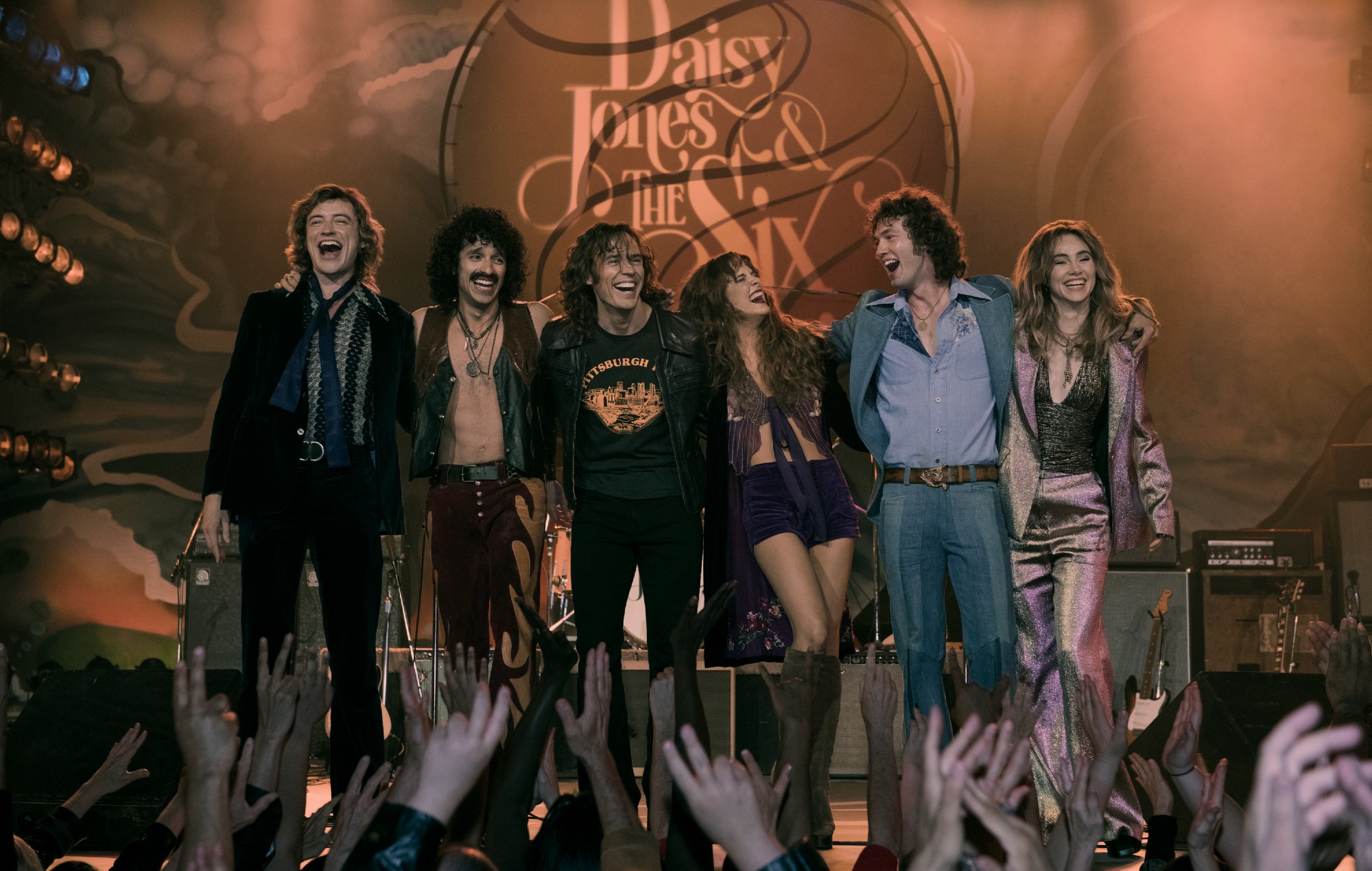 Suki Waterhouse credits ‘Daisy Jones And The Six’ and personal life for renewed music career focus
 Ezra Collective announce fourth album ‘Here Because Of Hope’ and release new single with Pa Salieu