
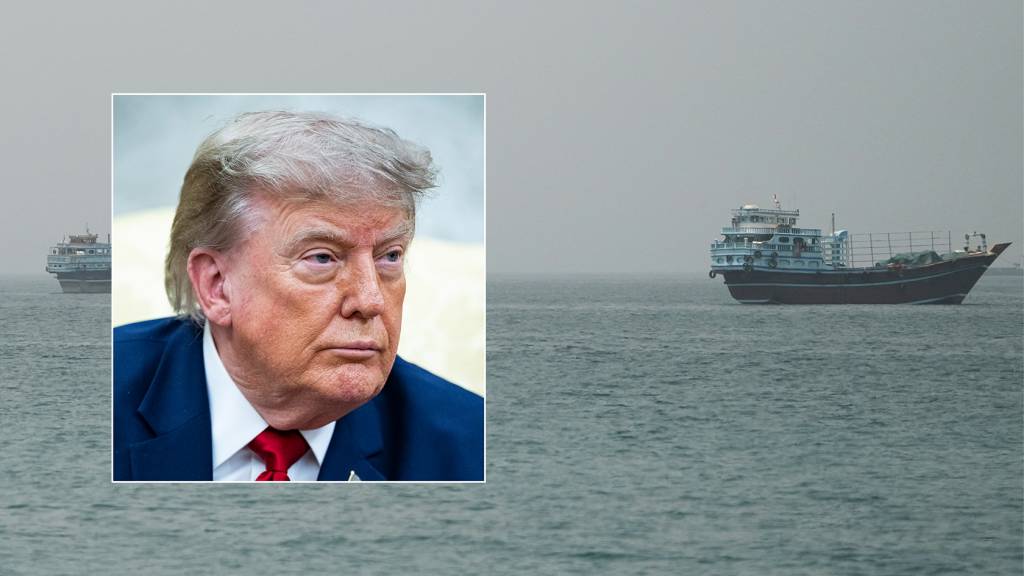
 Iran's Strategic Advantage Through the Strait of Hormuz and Ceasefire Tensions
KillBait - News highlights delivered clearly and responsibly—no clickbait, no sensationalism
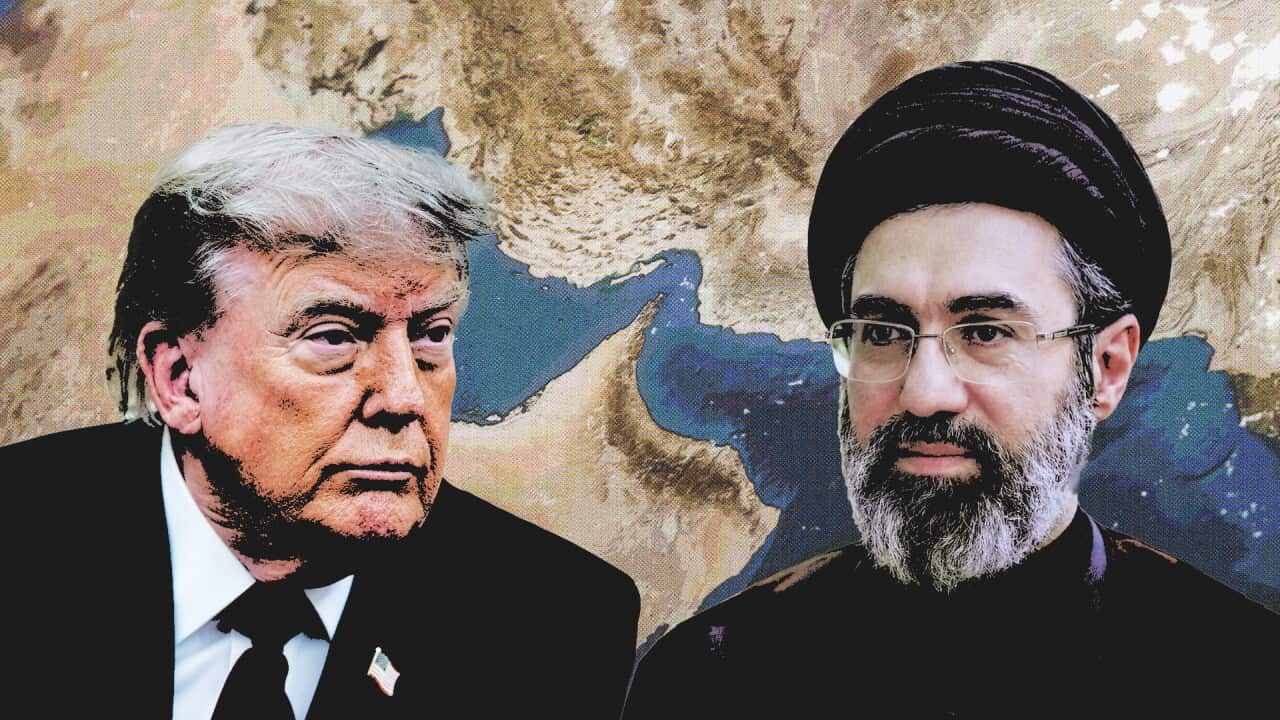
Photo: SBS Australia
2026-07-16 20:34 Geopolitics 10


Strait of Hormuz conflict threatens global trade and security
The ongoing conflict over the Strait of Hormuz, a critical oil route, has shifted focus from Iran's nuclear program to control of the waterway.The US has reimposed naval blockades and considered tolls for ships passing through, while Iran has attacked commercial vessels, killing sailors and disrupting global supply chains.Experts warn this could set a dangerous precedent for using chokepoints in future conflicts.Disruption has raised fuel and food costs worldwide, with economists highlighting the potential collapse of post-WWII maritime trade norms.
Iran demands recognition of its right to control the strait, threatening exorbitant tolls, while the US faces domestic backlash over rising fuel prices.Legal experts debate whether this marks a fundamental shift in global maritime law or a temporary disruption.The conflict's resolution remains uncertain, with implications for international trade and geopolitical stability.
2187
Original title: What happens next in the Strait of Hormuz could set a dangerous precedent
The AI system has determined that this news is clickbait/sensationalist: : The original title uses hyperbolic language ('dangerous precedent') to sensationalise the conflict, prioritising drama over factual analysis of the complex geopolitical and economic implications. This has coincided with the opinion of the majority of users.
You may also be interested in...
Iran's Strategic Advantage Through the Strait of Hormuz and Ceasefire Tensions
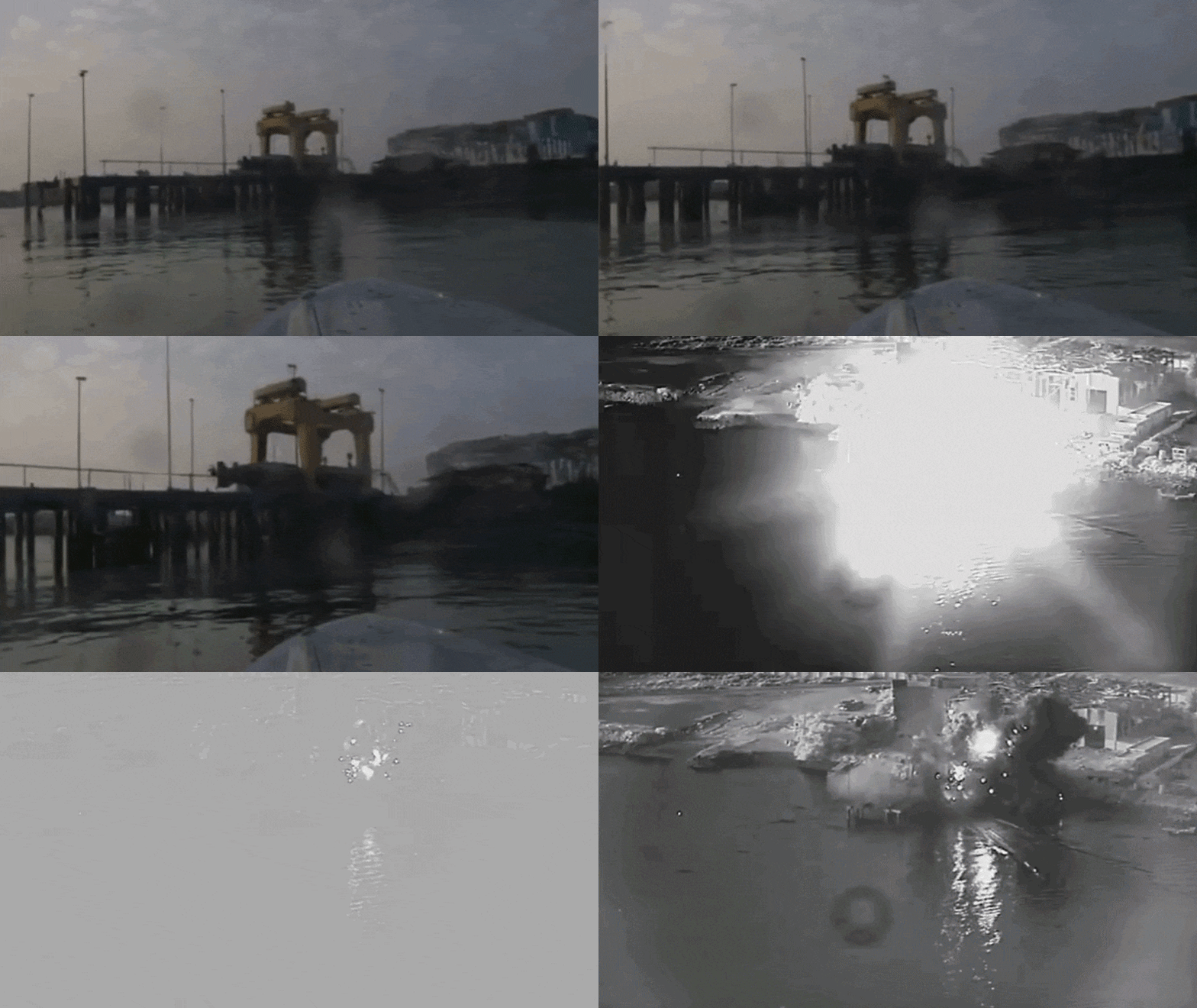 US Reimposes Iran Blockade at Hormuz Strait with 20% Toll Fee
 Iran and US escalate Strait of Hormuz tensions amid military strikes