
 A Thriving Coral Reef Rediscovered in West Africa After 60 Years
KillBait - News highlights delivered clearly and responsibly—no clickbait, no sensationalism

Photo: La mirada del mendigo
2026-07-23 06:26 Environment 11


Strategies for Early Detection and Prevention of Forest Fires
The article critiques current forest fire response strategies, arguing that priorities are inverted.Instead of focusing on suppression (stage 3) after fires escalate, the author emphasizes prevention (stage 1) to avoid intentional and accidental blazes.
They propose legislative measures to eliminate economic incentives for arson, stricter regulations during high-risk periods, and technological solutions like solar-powered sensor networks and drone-based firefighting systems.
The author highlights political resistance to these measures due to vested interests in the fire suppression industry, warning that delayed intervention leads to exponential damage costs.
Key recommendations include early detection systems using multispectral cameras and pre-positioned unmanned aerial vehicles for rapid response, which would be more cost-effective than traditional surveillance methods.
Full reading at La mirada del mendigo
2206
Original title: La extinción temprana
The AI system has determined that this news is not clickbait/sensationalist: : The original title is not clickbait as it directly references the article's core topic of fire prevention strategies rather than sensationalizing events. This has coincided with the opinion of the majority of users.
You may also be interested in...
A Thriving Coral Reef Rediscovered in West Africa After 60 Years
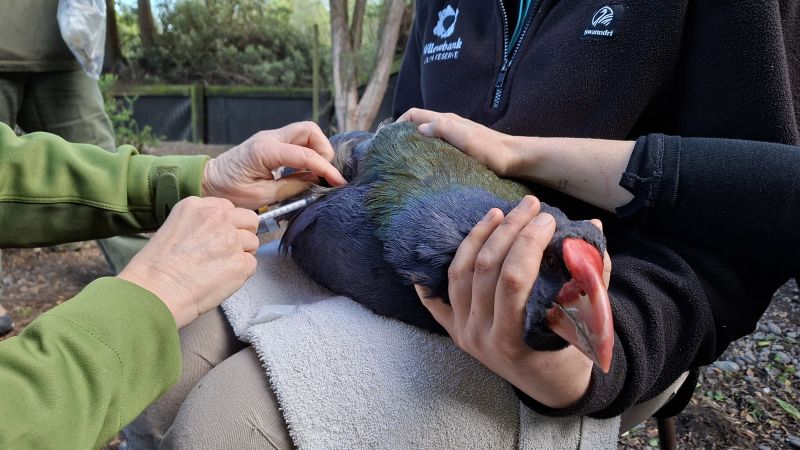 New Zealand Launches Emergency Vaccination Program to Protect Endangered Native Birds From H5N1 Bird Flu
 Rescued Eagle Jackie in Critical Condition After Anemia and Inflammation