
 World Cup opening revives scrutiny of FIFA’s long history of political associations
KillBait - News highlights delivered clearly and responsibly—no clickbait, no sensationalism
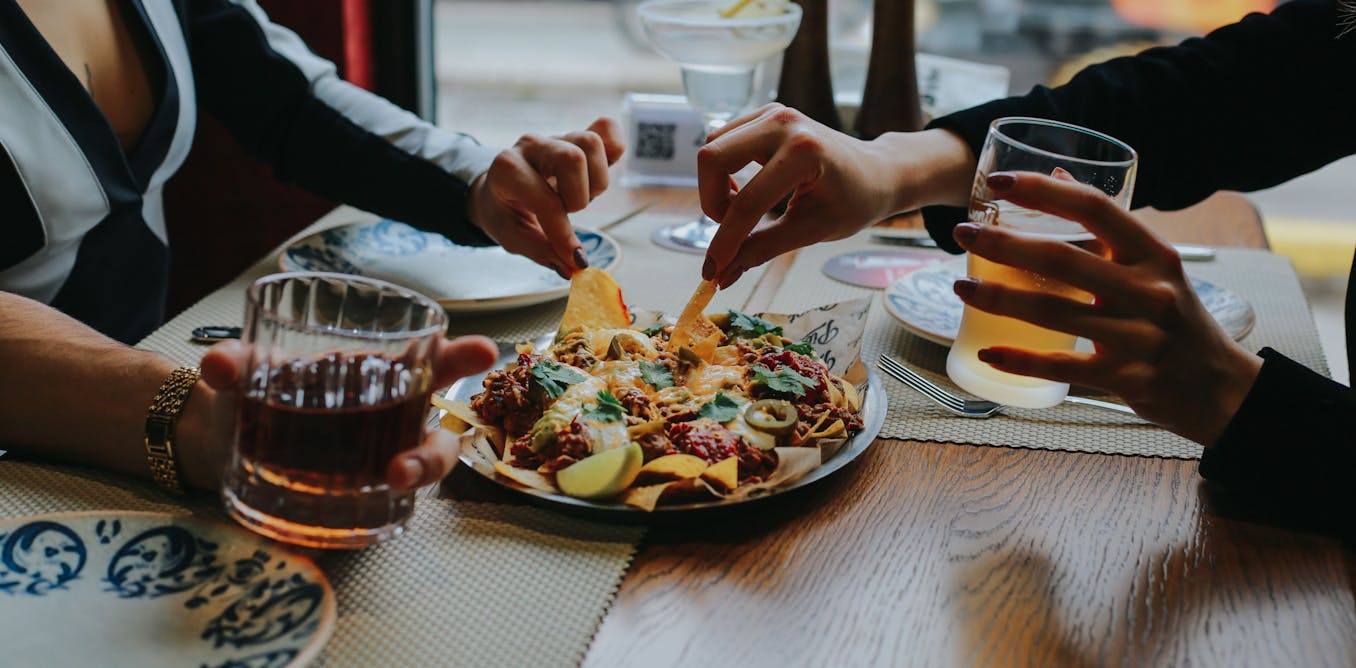
Photo: The Conversation
2026-06-13 03:32 Nutrition 10 


Study finds alcohol may increase cravings for savoury ultra-processed foods through protein appetite mechanisms
A new Australian study has explored why people often crave savoury snacks such as chips, nachos and salted nuts when drinking alcohol.Researchers found that alcohol may stimulate a biological appetite for protein through the release of a hormone called FGF21, which is produced by the liver when the body detects a shortage of protein.
This mechanism helps explain the long-standing cultural association between alcohol and food, often referred to as the 'aperitif effect', where drinking increases the appeal of savoury foods.The researchers argue that modern food environments complicate this process.
Many ultra-processed foods contain strong savoury flavours that traditionally signalled protein-rich foods, yet they are often low in protein and high in fats and refined carbohydrates.
The study describes these products as 'protein decoys' because they mimic the sensory characteristics of protein-rich foods without satisfying the body's actual protein needs.
Using dietary data from 9,337 adults in the Australian Adult Health Survey, the team analysed how alcohol consumption interacted with different food choices.
They found that when drinkers chose whole-food protein sources such as lean meat, poultry, seafood or legumes, overall calorie intake did not rise substantially despite the calories contained in alcohol.
However, when alcohol was paired with ultra-processed savoury foods and fatty meats, total energy intake increased significantly, potentially contributing to weight gain.The findings suggest that alcohol and ultra-processed foods can work together to encourage overeating.
Researchers recommend that people who consume alcohol and experience strong savoury cravings choose protein-rich whole foods instead of highly processed snack foods.According to the study, this approach may better satisfy the body's protein appetite and help reduce excessive calorie consumption.
Full reading at The Conversation
2186
Original title: Why drinking alcohol makes you reach for chips and nachos
The AI system has determined that this news is not clickbait/sensationalist: : The title accurately reflects the main finding discussed in the article and does not use exaggerated, misleading or sensational language. It poses a straightforward explanatory question that is directly answered by the research presented. This has coincided with the opinion of the majority of users.
You may also be interested in...
World Cup opening revives scrutiny of FIFA’s long history of political associations
 SpaceX shares surge after record IPO, lifting Elon Musk’s net worth above US$1 trillion
 SpaceX makes record-breaking Wall Street debut amid expectations of massive valuation surge