KillBait - News highlights delivered clearly and responsibly—no clickbait, no sensationalism
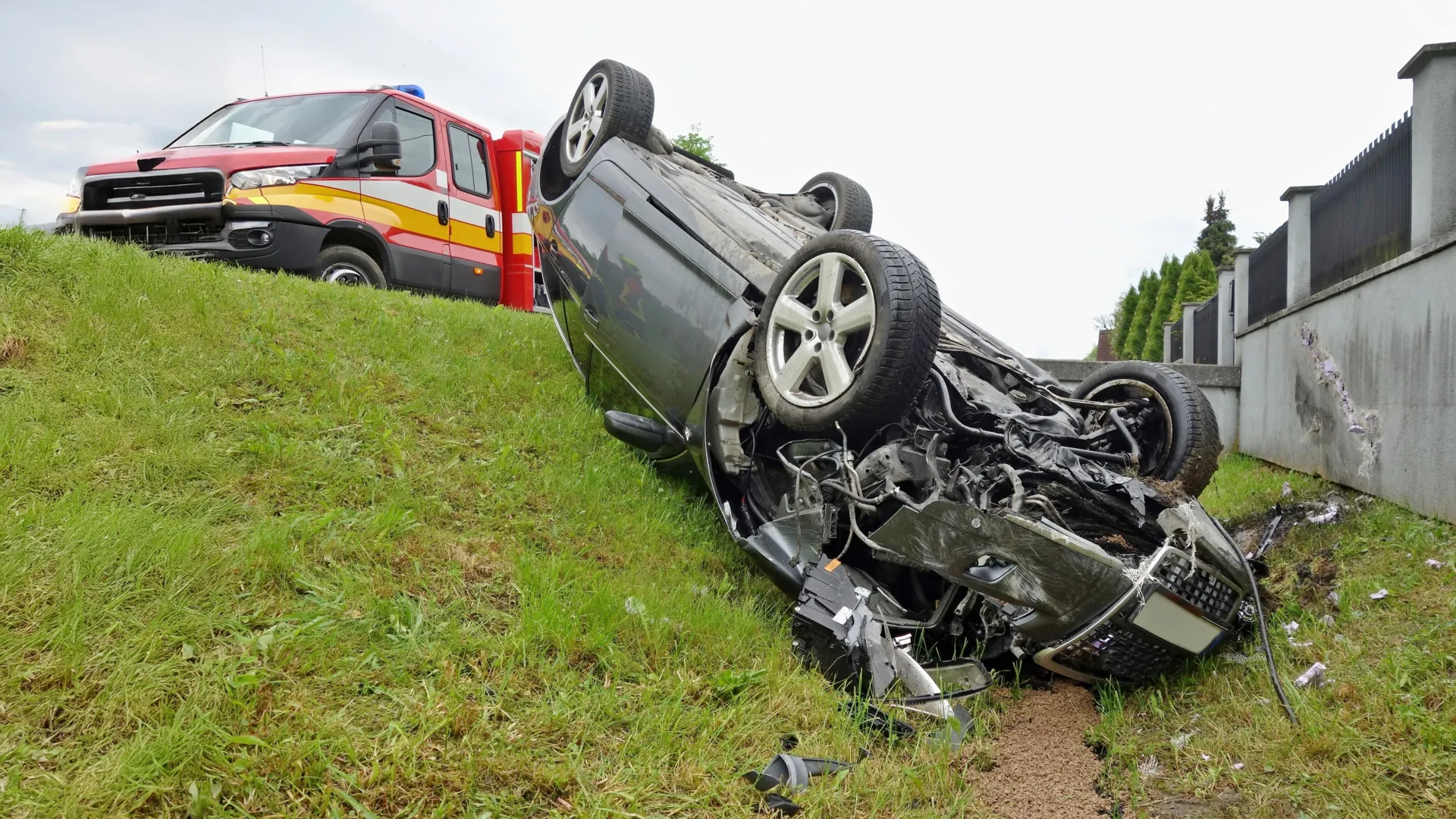
Photo: ScienceDaily
2026-05-29 23:33 Health 13 


Study finds cannabis edibles and alcohol significantly impair driving and may evade standard sobriety tests
A new study from Johns Hopkins Medicine highlights serious safety risks associated with combining cannabis edibles and alcohol, showing that the mixture can significantly impair driving ability more than either substance alone.
Published in JAMA Network Open, the controlled laboratory study involved healthy adult participants who consumed cannabis brownies containing THC, alcohol at varying legal intoxication levels, both substances together, or placebos across multiple sessions.Researchers then evaluated their performance using driving simulators, cognitive tests, and standard field sobriety assessments over several hours.
The results demonstrated that participants experienced greater and longer-lasting driving impairment when cannabis edibles were combined with alcohol compared to when either substance was used independently.
Participants also reported higher levels of perceived intoxication under the combined condition, suggesting a synergistic interaction between the two substances rather than a simple additive effect.This heightened impairment persisted even at relatively low alcohol concentrations.A key concern identified in the study was the limited effectiveness of standard field sobriety tests.
These commonly used roadside assessments frequently failed to detect cannabis-related impairment, especially when cannabis was consumed alone or in combination with alcohol.The tests only reliably identified impairment at the highest alcohol level tested (0.08% BrAC), which is the legal intoxication threshold in many U.S.states.Researchers emphasized that current legal and testing frameworks may not adequately account for the risks of co-use.
They called for improved methods to detect impairment and greater public awareness of the dangers of mixing cannabis edibles with alcohol, particularly as both substances become more widely available and socially accepted.

2244
Original title: Hidden driving danger when edible cannabis and alcohol mix
The AI system has determined that this news is not clickbait/sensationalist: : The original title is attention-grabbing with the phrase 'hidden driving danger,' but it accurately reflects the study's focus on impaired driving risks from combining cannabis edibles and alcohol without exaggerating or misleading claims. This has coincided with the opinion of the majority of users.
You may also be interested in...
 Study Finds Structured Yoga Program May Improve Sleep, Fatigue, and Mood in Cancer Survivors
 How a personal tragedy helped inspire breakthroughs in inflammation science and bioelectronic medicine