KillBait - News highlights delivered clearly and responsibly—no clickbait, no sensationalism
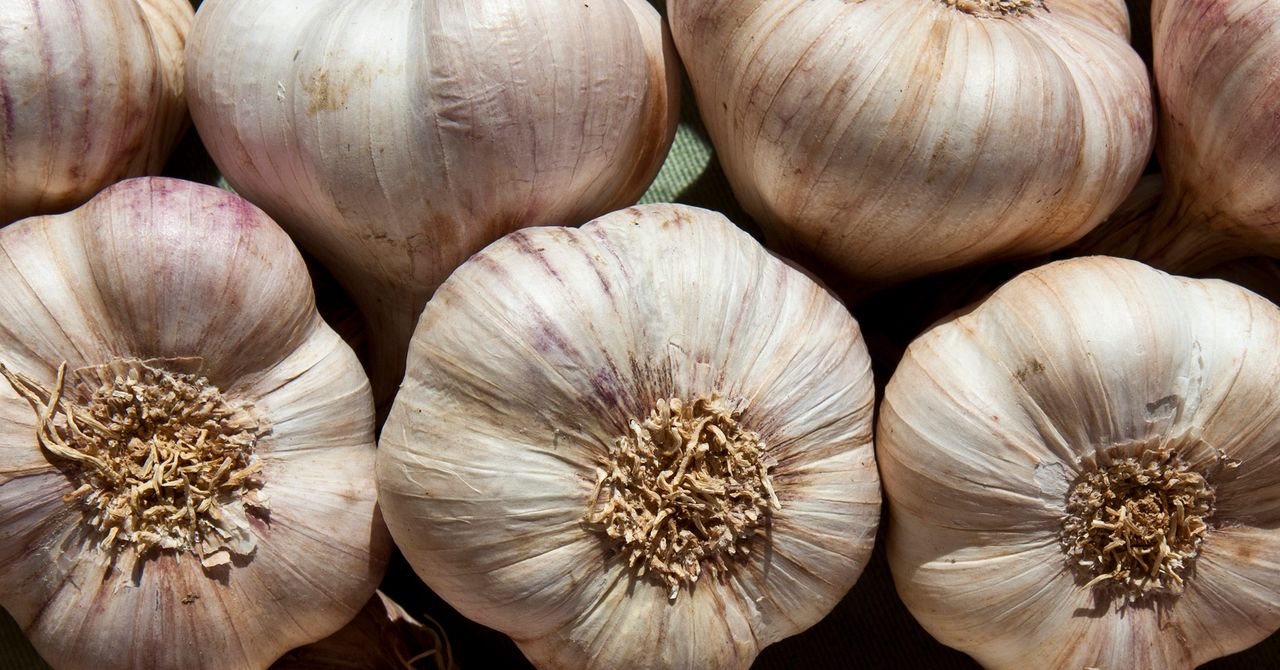
Photo: WIRED
2026-05-24 12:14 Science 14 


Study Finds Garlic Compound Disrupts Mosquito Reproduction and Egg Laying
Researchers from Yale University have identified a chemical compound in garlic that can interfere with the reproductive behavior of mosquitoes and other flying insects.
The study, published in the journal Cell, examined 43 fruits and vegetables to determine whether natural substances could affect insect mating and egg-laying behavior.Scientists used fruit flies as a model because they commonly mate around food sources.While most foods tested had little effect, garlic completely prevented mating and reproduction in the insects.The researchers conducted additional experiments to determine whether the effect was caused by smell or taste.Their findings showed that taste was responsible for the reproductive inhibition.Chemical analysis revealed that diallyl disulfide, a sulfur-containing compound naturally present in garlic, triggered the response.The substance activates a taste receptor called TrpA1, which is associated with detecting harmful or bitter substances.Activation of this receptor not only caused insects to avoid garlic but also altered gene expression linked to feeding and satiety.According to the study, the induced feeling of satiety appears to reduce mating and reproductive activity, especially in females.
The experiments were later repeated on disease-carrying mosquito species associated with dengue, yellow fever, and Zika virus, as well as on tsetse flies.Similar reproductive suppression was observed in all cases.
The findings suggest garlic could potentially serve as a low-cost, natural tool for controlling insect populations that threaten public health and agriculture.
Yale professor John Carlson, a coauthor of the study, noted that garlic has historically been associated with repelling blood-feeding creatures, referencing its mention in Bram Stoker’s Dracula.

2258
Original title: Why Garlic Repels Mosquitoes and Keeps Them From Breeding
The AI system has determined that this news is not clickbait/sensationalist: : The original title accurately reflects the main scientific finding of the article without exaggerating the results or using misleading language. This has coincided with the opinion of the majority of users.
You may also be interested in...
 Massive underground mining bee colony discovered beneath historic New York cemetery
 Beneficial Mutations Are More Common, but Changing Environments Limit Their Impact