
 Climate Change Alters Predator-Prey Dynamics in Owl Populations
KillBait - News highlights delivered clearly and responsibly—no clickbait, no sensationalism
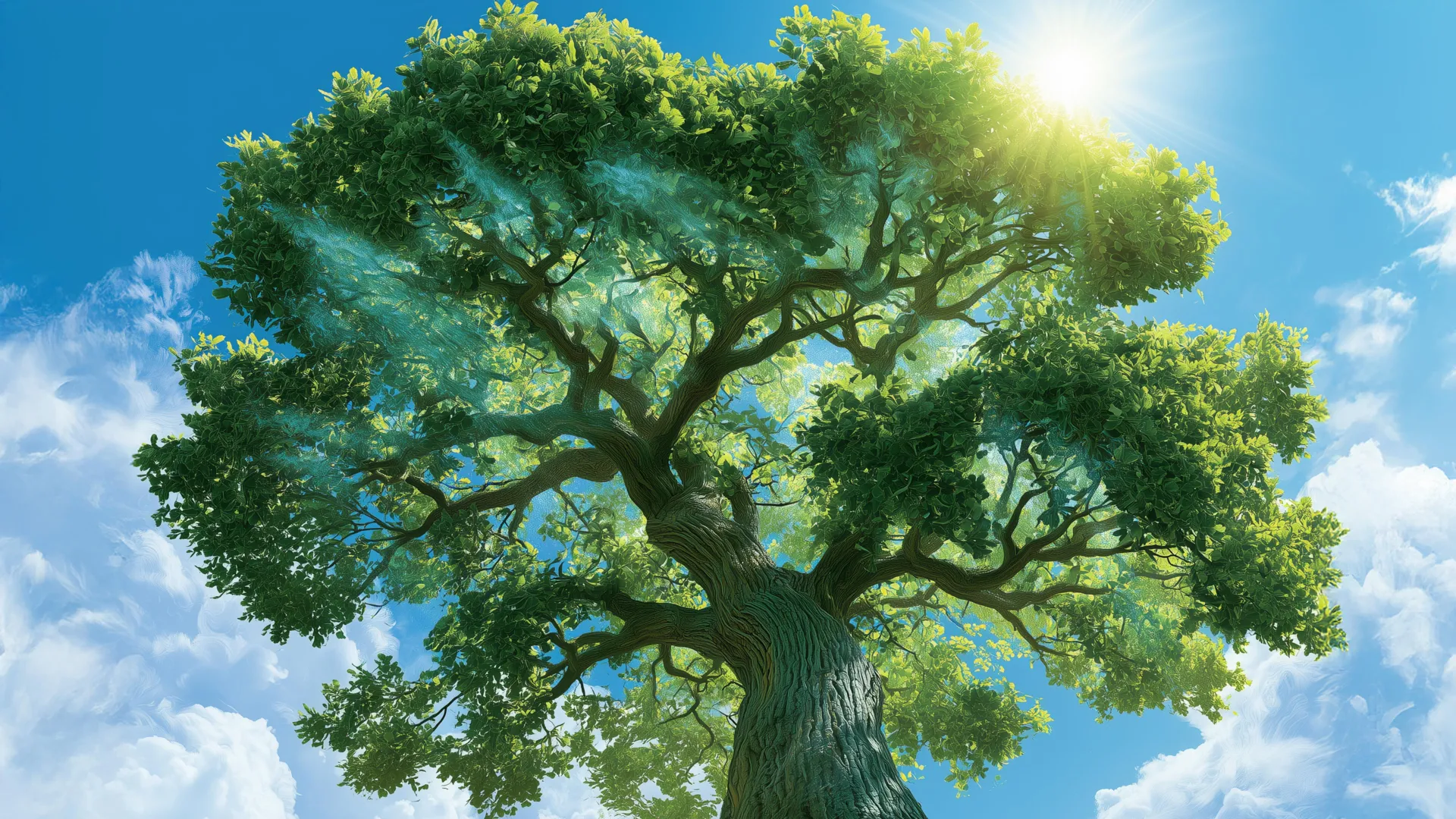
Photo: ScienceDaily
2026-07-10 01:50 Climate change 10


Study Finds Oak Trees Continue Absorbing Carbon Long After Annual Growth Ends
A new study published in Science Advances reports that oak trees continue absorbing carbon dioxide through photosynthesis long after they stop producing new wood each growing season.
Researchers from the Columbia Climate School analyzed data from 137 oak forest sites across the eastern United States and California using satellite observations, canopy carbon dioxide measurements, trunk growth sensors, tree-ring records, and historical climate data.
Their findings challenge a long-standing assumption used in many climate models that increased photosynthesis automatically leads to increased tree growth and long-term carbon storage.The study found that eastern U.S.oaks typically stop growing by late summer but continue photosynthesizing into October, with about 36% of their annual carbon uptake occurring after growth has ended.California oaks showed a similar pattern, with approximately 26% of yearly carbon assimilation occurring after growth ceased.
According to the researchers, tree growth is more sensitive to hot and dry conditions because it depends on internal water pressure, while photosynthesis can continue, although at a somewhat reduced rate.The additional carbon absorbed after growth stops is not necessarily stored in wood.
Instead, it may be used to produce leaves and roots, stored temporarily as starch, support cellular metabolism, or be released into the soil to sustain beneficial microbes.
Because wood is the primary long-term carbon reservoir in forests, these findings suggest forests may store less carbon in woody biomass than many existing climate models predict.
The researchers also observed that the separation between photosynthesis and growth became greater during years with highly variable wet and dry conditions, indicating that increasing climate variability could further affect forests' ability to lock away carbon over the long term.Additional research is planned to determine whether similar patterns occur in other tree species and ecosystems.
2189
Original title: Trees keep absorbing carbon long after they stop growing
The AI system has determined that this news is not clickbait/sensationalist: : The original title accurately reflects the study's main finding without exaggeration, misleading language, or sensational claims. It summarizes the research result directly and is supported by the article's content. This has coincided with the opinion of the majority of users.
You may also be interested in...
Climate Change Alters Predator-Prey Dynamics in Owl Populations
 Extreme Heat Across U.S. Cities Raises Health Risks During July 4th Events and Crowds
 Attendee at political state fair uses baptismal pool for relief during extreme heatwave