
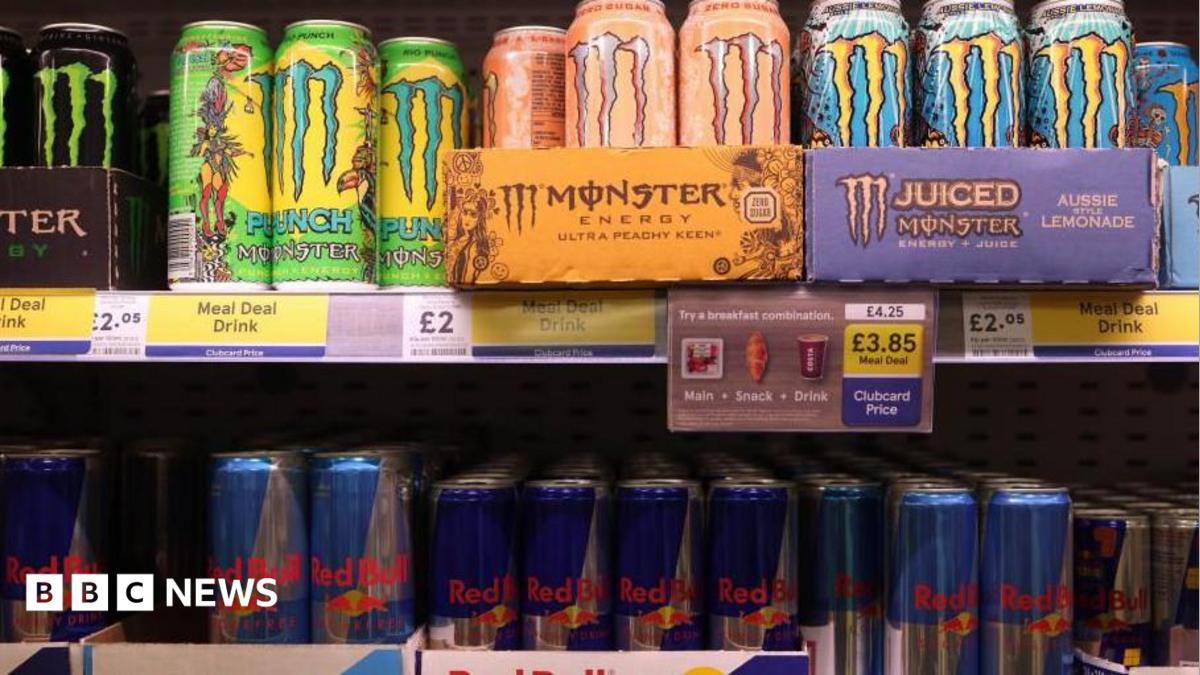
 Government bans high-caffeine energy drinks for under-16s in England from April
KillBait - News highlights delivered clearly and responsibly—no clickbait, no sensationalism

Photo: BBC
2026-07-17 06:29 Health 10


Study highlights focal therapy as effective alternative to surgery for prostate cancer with fewer side effects
A major study led by Imperial College London suggests that focal therapy, a less invasive treatment for prostate cancer, is as effective as surgery or radiotherapy but with significantly fewer side effects.
The treatment uses high-intensity ultrasound or cryotherapy to target cancerous tissue, reducing risks of complications like urine leakage and sexual dysfunction.
Over 3,500 men with intermediate or high-risk prostate cancer were followed for 10 years, with only two deaths recorded, comparable to traditional treatments but with less than half the side effects.
Researchers emphasize the therapy's potential to improve patient outcomes and expand access, though its availability remains limited to just 10 NHS centres in England.
Campaigners argue that the findings could revolutionize prostate cancer care by making focal therapy more widely available, potentially enabling earlier screening programs.
Despite government funding to expand access, regulatory hurdles and geographic disparities persist, with critics calling the current system a 'postcode lottery'.
The study, published in European Urology, adds to growing evidence supporting focal therapy as a viable option for many patients, though further approval from health regulators is needed to ensure broader implementation.
2187
Original title: Targeted prostate cancer treatment cuts risk of side effects, study suggests
The AI system has determined that this news is not clickbait/sensationalist: : The original title is informative and accurately reflects the study's findings without sensationalism. This has coincided with the opinion of the majority of users.
You may also be interested in...
Government bans high-caffeine energy drinks for under-16s in England from April
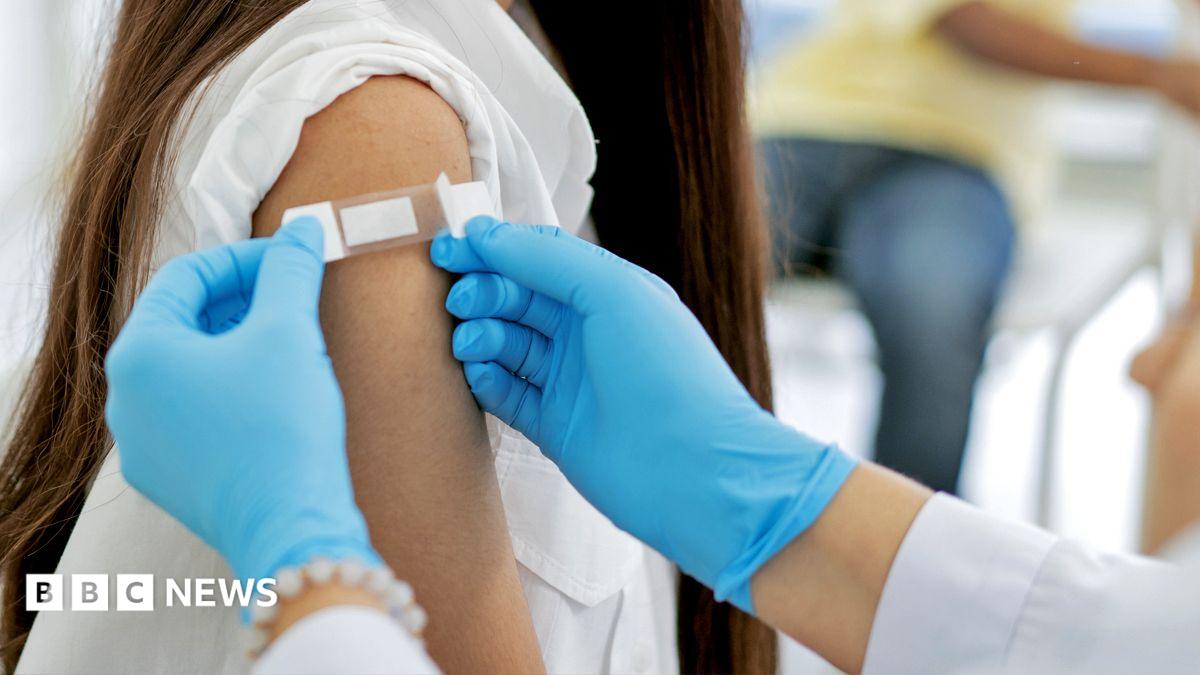 UK Experts Recommend Free MenB Vaccines for Teenagers to Combat Outbreak
 Jesy Nelson Announces Expansion of Screening Tests Across the UK in Her SMA Campaign