
 Doctor explains how diet and gut health may influence anxiety and mental wellbeing
KillBait - News highlights delivered clearly and responsibly—no clickbait, no sensationalism
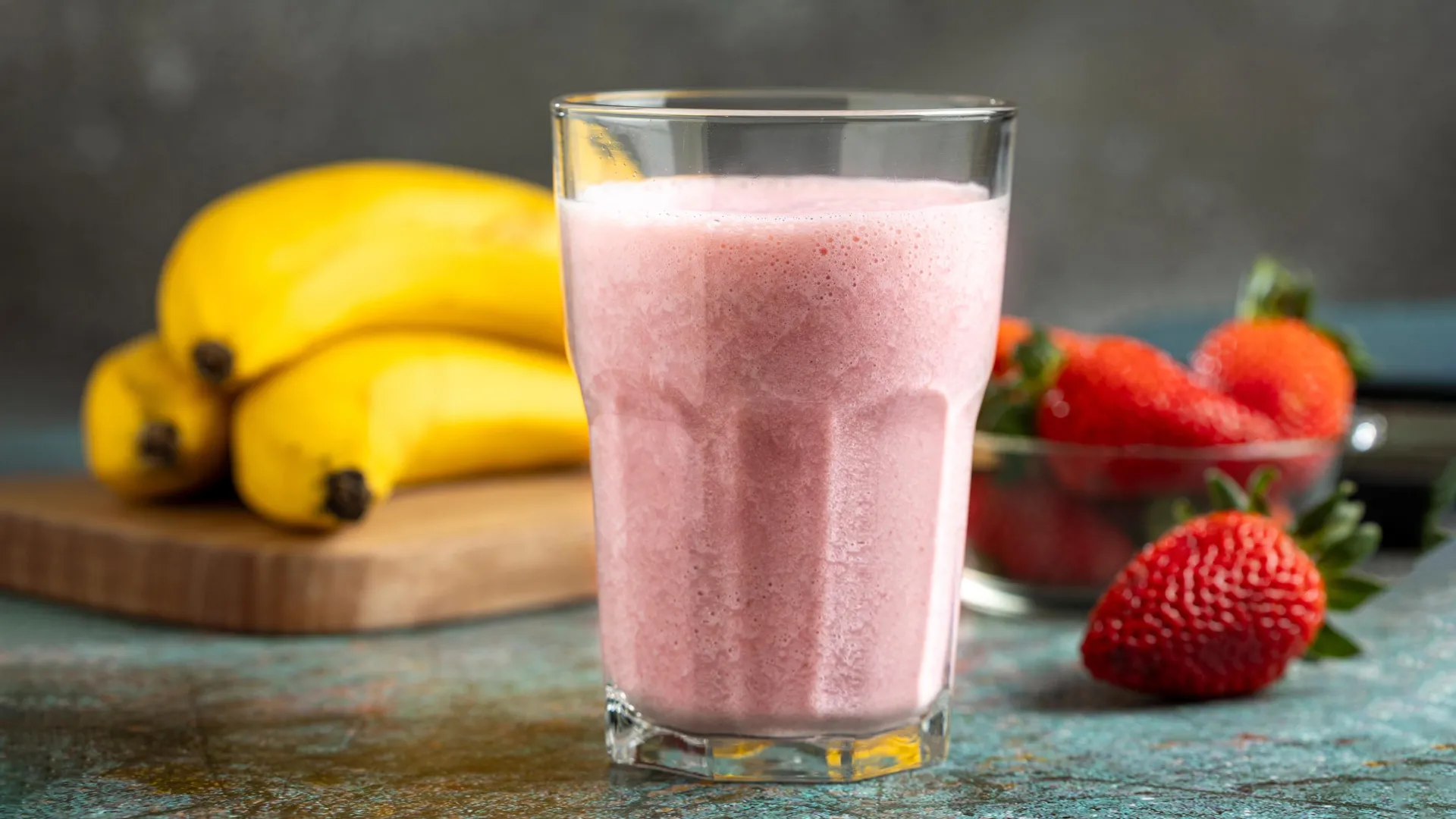
Photo: ScienceDaily
2026-05-24 17:24 Nutrition 14 


Study suggests banana-containing smoothies may reduce absorption of beneficial flavanols
A study from the University of California, Davis suggests that common smoothie combinations may significantly influence how the body absorbs beneficial plant compounds.
Researchers found that adding bananas to fruit smoothies can sharply reduce the absorption of flavanols, natural compounds linked to heart and brain health.The effect is attributed to polyphenol oxidase (PPO), an enzyme found in high amounts in bananas that triggers browning reactions in fruits.This enzyme appears to break down flavanols found in berries, grapes, cocoa, and other fruits before they can be fully absorbed by the body.
In controlled experiments, participants consumed different smoothie types, including banana-based smoothies, mixed berry smoothies, and flavanol capsules as a control.Blood and urine analysis showed that those who consumed banana smoothies had up to 84% lower flavanol levels compared with the control group.
In contrast, berry-based smoothies with low PPO activity resulted in flavanol levels similar to the control, suggesting minimal interference with absorption.
A second test indicated that even when banana ingredients were not directly mixed with flavanol-rich foods before consumption, flavanol absorption still decreased, implying that PPO activity may continue to affect digestion after ingestion.However, researchers emphasized the study was small and should be interpreted cautiously.Experts stress that bananas are still nutritious, providing potassium, fiber, and energy.The key takeaway is not to avoid bananas altogether, but to consider ingredient pairings depending on nutritional goals.For maximizing flavanol intake, researchers recommend combining berries with low-PPO ingredients such as pineapple, oranges, mango, or yogurt.Bananas can still be enjoyed in other contexts where flavanol preservation is not a priority.The findings highlight how food interactions can meaningfully influence nutrient bioavailability.
2257
Original title: Surprising research reveals why you shouldn't add bananas to your smoothies
The AI system has determined that this news is clickbait/sensationalist: : The original title uses strong, attention-grabbing phrasing ('shouldn't add bananas') that simplifies and exaggerates a nuanced nutritional finding. While the study is real, the headline presents it in a more absolute and sensational way than the research supports. This has coincided with the opinion of the majority of users.
You may also be interested in...
Doctor explains how diet and gut health may influence anxiety and mental wellbeing
 Nancy Mace criticized by allies and opponents after public appeal for Trump’s support
 Trump’s Foreign Policy Struggles Highlight Challenges in the Middle East