
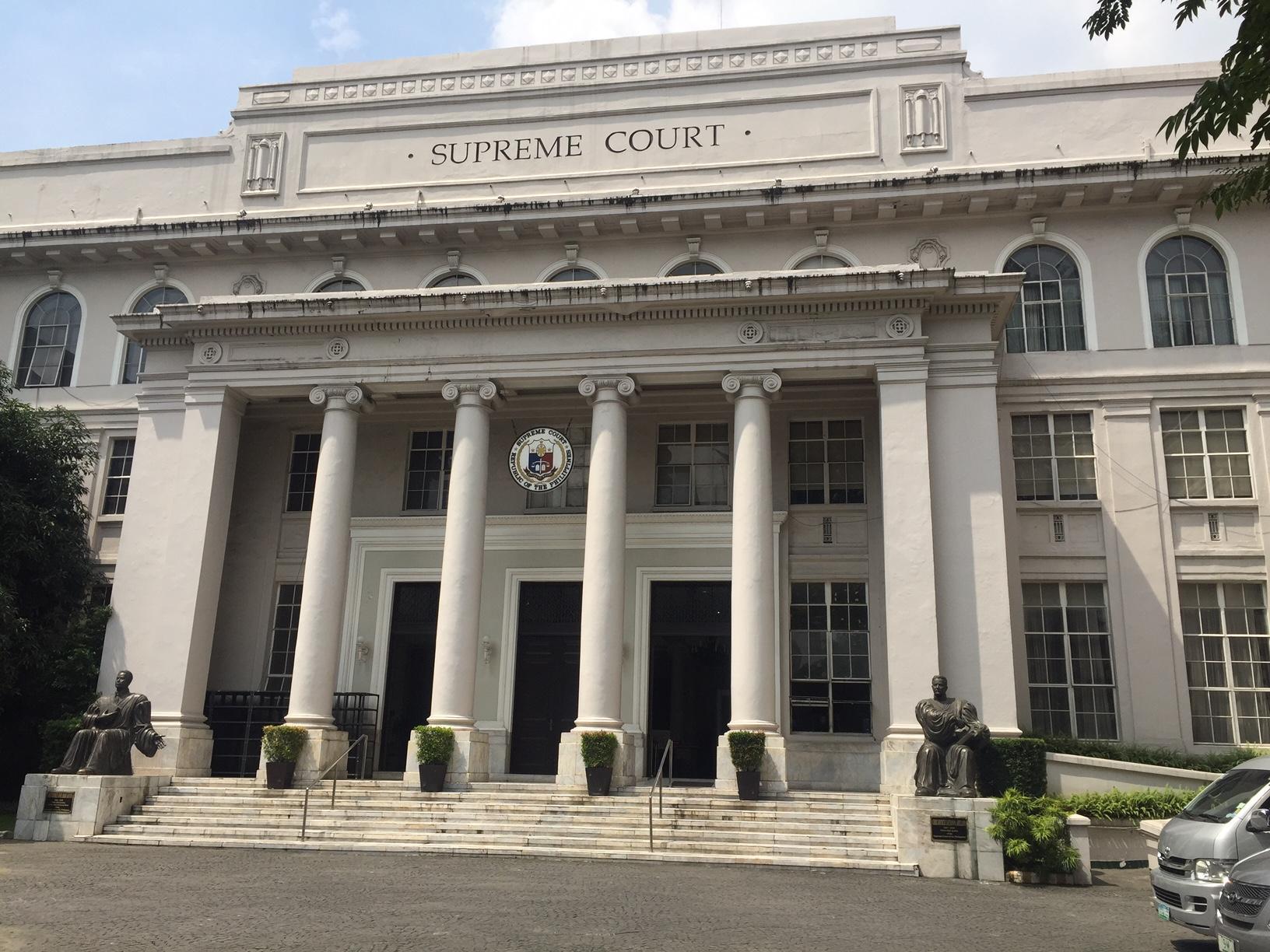
 Supreme Court Rules Ransom Money Not Required as Evidence in Kidnapping Cases
KillBait - News highlights delivered clearly and responsibly—no clickbait, no sensationalism
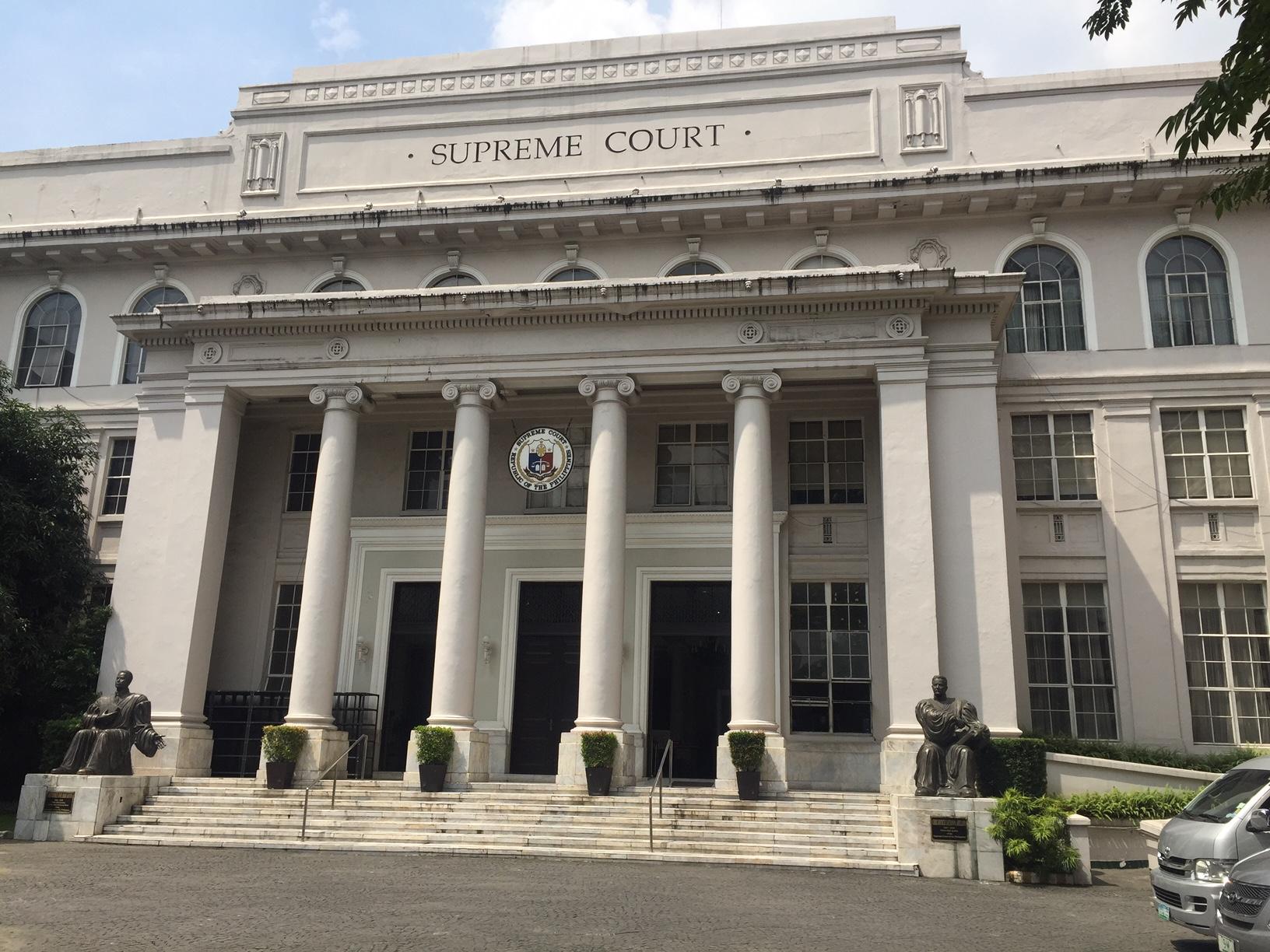
Photo: gmanetwork.com
2026-07-25 04:29 Justice 10


Supreme Court Allows Correction of Deed of Sale Errors to Reflect True Agreement
The Supreme Court (SC) has ruled that errors in a deed of sale can be corrected to reflect the true agreement between parties.In a case involving a 491-square-meter land parcel in Cebu, the SC Third Division upheld the validity of the sale between buyers and sellers, despite a clerical error in the deed referencing the wrong lot number.
The buyers, who occupied the property for 20 years, faced disruption when a couple claimed the land, destroyed their fence, and built their own structure.The buyers filed a complaint to cancel the title, but the sellers' heirs contested, arguing the deed referred to a different lot.The Regional Trial Court initially ruled in favor of the buyers, but the Court of Appeals overturned this.
The SC reinstated the RTC's decision, emphasizing that the Civil Code allows correction of written instruments if they fail to express the parties' true intent due to mistakes.
The court highlighted that the parties' actions, including long-term possession and transactions in 1979, 1981, and 1982, clearly indicated the true subject of the sale.The ruling underscores the importance of interpreting contracts based on the parties' actual intentions rather than literal text.
This decision provides clarity for legal disputes involving deed of sale errors and reinforces the principle of contractual reform under the Civil Code.
Full reading at gmanetwork.com
2186
Original title: SC: Errors in deed of sale may be corrected to reflect parties' true agreement
The AI system has determined that this news is clickbait/sensationalist: : The original title uses sensational language like 'may be corrected' to imply controversy, while the actual ruling focuses on legal principles of contract interpretation. This has coincided with the opinion of the majority of users.
You may also be interested in...
Supreme Court Rules Ransom Money Not Required as Evidence in Kidnapping Cases
 Two Bomb Experts from Terror Group Arrested in Mindanao
 Legal Guidelines on Witness Testimony for Individuals with Pending Cases