
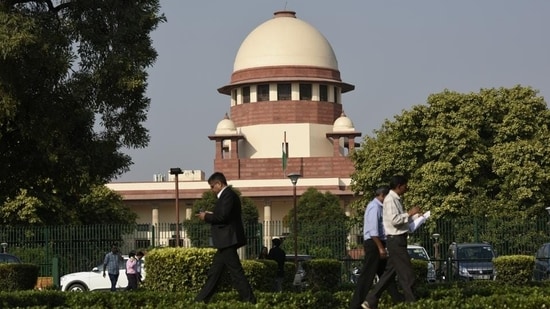
 Supreme Court Clarifies: Electoral Roll Deletion Doesn't Affect Citizenship
KillBait - News highlights delivered clearly and responsibly—no clickbait, no sensationalism
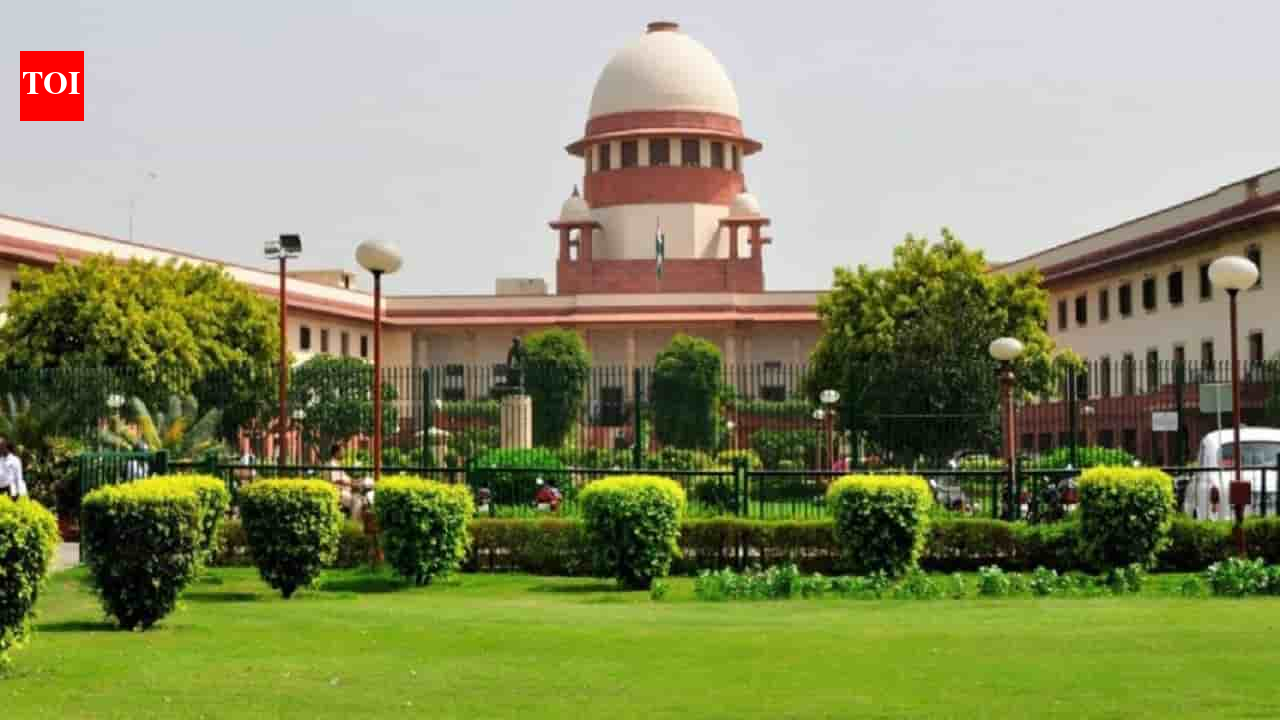
Photo: The Times of India
2026-07-19 02:47 Justice 10


Supreme Court Clarifies: Abusive Language and Swearing Not Obscene Under IPC
The Supreme Court has ruled that using abusive language or swearing words does not constitute obscenity under the Indian Penal Code (IPC).The court emphasized that mere vulgar or profane expressions, though distasteful, lack the essential elements of obscenity such as lasciviousness and the tendency to corrupt.
The bench, comprising Justices Sanjay Karol and Vipul M Pancholi, overturned a conviction under Section 294 IPC, stating that the words used in the case did not meet the legal criteria for obscenity.The court highlighted that obscenity requires the words to appeal to prurient interests and cause annoyance, which was not demonstrated in the case.
The ruling underscores the distinction between vulgar language and legal obscenity, reinforcing that offensive speech alone does not equate to an offence under IPC.This decision aligns with previous judicial pronouncements, including the Samaresh Bose v.Amal Mitra case, which clarified that vulgar language may evoke disgust but does not inherently make it obscene.
The court stressed that for an utterance to be considered obscene, it must satisfy three key criteria: lasciviousness, appeal to prurient interests, and a corrupting effect.The ruling provides clarity on the boundaries of free speech and legal definitions of obscenity in India.
Full reading at The Times of India
2186
Original title: Using abusive language, swearing don't count as obscenity under IPC: Supreme Court
The AI system has determined that this news is clickbait/sensationalist: : The original title uses sensational language to attract attention, implying a controversial legal ruling, which is typical of clickbait headlines. This has coincided with the opinion of the majority of users.
You may also be interested in...
Supreme Court Clarifies: Electoral Roll Deletion Doesn't Affect Citizenship
 Supreme Court clears release of animated film 'Mahaprabhu Jagannath' after legal dispute
 Supreme Court says third language should begin earlier than Class IX to avoid burden on board exam students