
 Supreme Court says child’s right to know biological parentage may outweigh privacy in DNA test cases
KillBait - News highlights delivered clearly and responsibly—no clickbait, no sensationalism
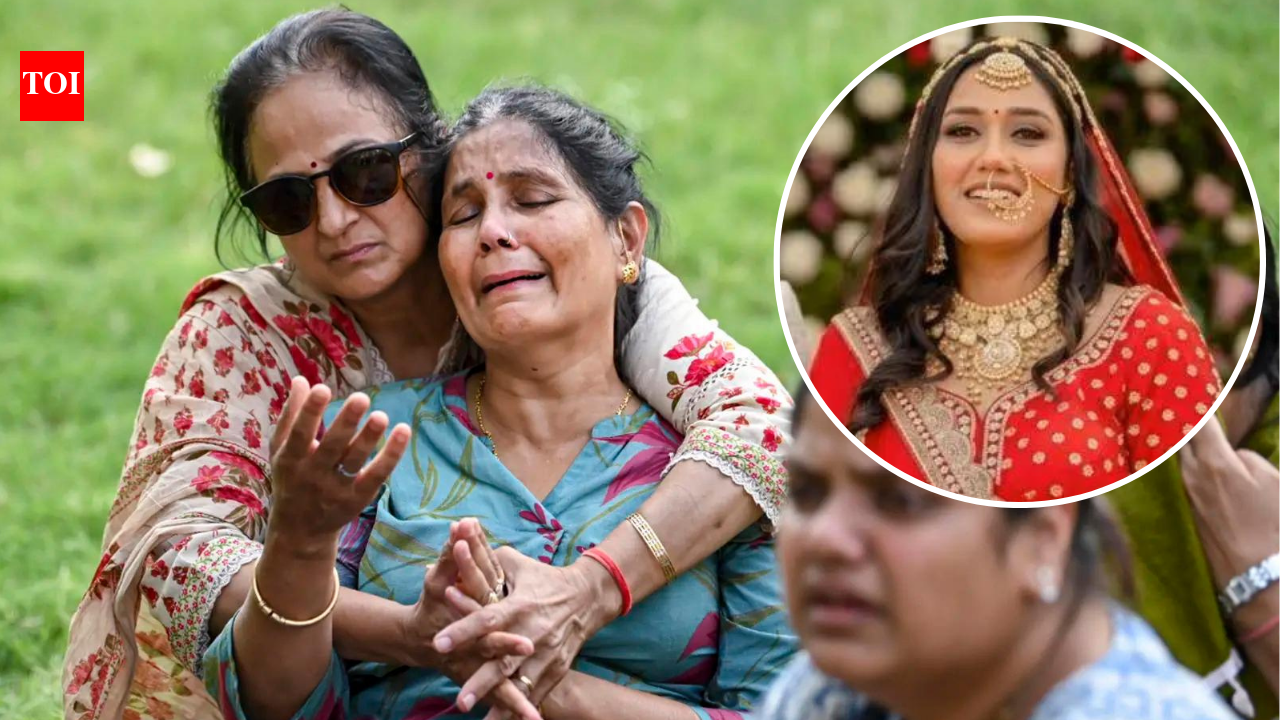
Photo: The Times of India
2026-05-25 09:25 Justice 11 


Supreme Court takes suo motu cognisance of Twisha Sharma death case amid dowry harassment and forensic investigation
The death of 26-year-old model-turned-actor Twisha Sharma in Bhopal has become a major national case after the Supreme Court took suo motu cognisance of the matter.Twisha, who married advocate Samarth Singh in December 2025, was found dead at her in-laws’ residence in Katara Hills on May 12, 2026.
Since then, the case has triggered allegations of dowry harassment, disputes over forensic findings, protests by family members, and demands for an independent CBI inquiry.
According to reports, CCTV footage showed Twisha walking towards the terrace before she was later seen being brought downstairs while attempts at CPR were made.However, the footage did not capture what happened during the missing period on the terrace, creating major questions in the investigation.
Twisha’s family rejected claims that she died by suicide and alleged that she had faced continuous mental and physical harassment linked to dowry demands.The first postmortem conducted at AIIMS Bhopal reportedly suggested death by hanging but also noted several injuries on her body.This led the family to seek a second autopsy, arguing that important questions remained unanswered.The Madhya Pradesh High Court later ordered a second postmortem, which was carried out by a medical board from AIIMS Delhi.Police registered an FIR against Twisha’s husband Samarth Singh and his mother Giribala Singh under dowry death and harassment provisions.A Special Investigation Team was formed, while the Madhya Pradesh government also recommended a CBI probe.Samarth Singh was later taken into custody and sent to police remand for questioning.The accused family has denied all allegations, claiming the case is being driven by public pressure rather than evidence.The Supreme Court’s intervention has now elevated the matter into a nationally monitored judicial and forensic investigation.
Full reading at The Times of India
2206
Original title: Twisha Sharma case in Supreme Court: Suspicious death, dowry allegations, CBI probe
The AI system has determined that this news is not clickbait/sensationalist: : The original title is largely factual and descriptive. It summarises the key developments of the case, including the Supreme Court involvement, suspicious death allegations and CBI probe, without using exaggerated or misleading language. This has coincided with the opinion of the majority of users.
You may also be interested in...
Supreme Court says child’s right to know biological parentage may outweigh privacy in DNA test cases
 Supreme Court mandates strict timelines for bail decisions and judgment delivery in High Courts
 Supreme Court Upholds SIT Findings on Vantara Animal Transfers, Rejects Fresh Investigation