
 Supreme Court mandates High Courts to deliver reserved judgments within three months
KillBait - News highlights delivered clearly and responsibly—no clickbait, no sensationalism
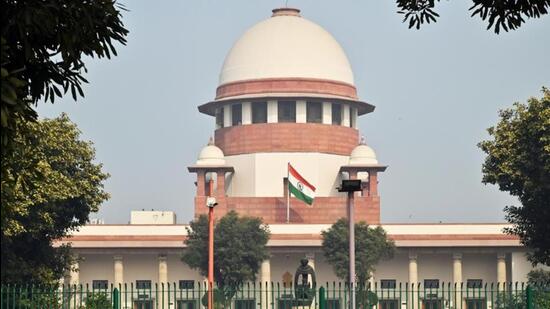
Photo: Hindustan Times
2026-05-30 04:54 Justice 10 


Supreme Court mandates strict timelines for bail decisions and judgment delivery in High Courts
The Supreme Court of India has issued strong nationwide directions aimed at reducing judicial delays, particularly in bail matters that involve personal liberty.
In a landmark judgment delivered under its extraordinary powers under Article 142 of the Constitution, the apex court directed all High Courts to decide bail applications either on the same day of hearing or within a maximum of 24 hours.
The court also emphasised that cases involving personal liberty, such as regular bail, anticipatory bail, and criminal appeals where accused persons are in custody, must be prioritised with “extra promptitude”.
In addition to bail-related timelines, the Supreme Court has set a strict outer limit of three months for pronouncement of reserved judgments in High Courts.
If judgments are not delivered within this period, administrative escalation mechanisms will be triggered, including intervention by the Chief Justice of the concerned High Court and, in extreme cases, reassignment of the matter to another bench.
The court further directed that in urgent cases, only the operative part of judgments may be pronounced immediately, but detailed reasons must be uploaded within 7 to 15 days.
The ruling also introduces accountability and transparency measures, including automated alerts for pending reserved judgments, mandatory communication of bail orders to jail authorities on the same day, and release of undertrials within a day where possible.Litigants have also been given enforceable remedies to seek early pronouncement or reassignment if delays exceed prescribed limits.The judgment aims to ensure faster justice delivery, reduce pendency, and strengthen public trust in the judicial system.
Full reading at Hindustan Times
2191
Original title: HCs must deliver bail rulings within 24 hrs of hearing: Top court
The AI system has determined that this news is not clickbait/sensationalist: : The title is factual and directly reflects the Supreme Court's directive without exaggerated language or sensational framing, so it is not clickbait. This has coincided with the opinion of the majority of users.
You may also be interested in...
Supreme Court mandates High Courts to deliver reserved judgments within three months
 Supreme Court lays down uniform guidelines to protect trafficked women and children
 Supreme Court directs nationwide integration of all emergency helplines into single 112 number within three months